
Playlist
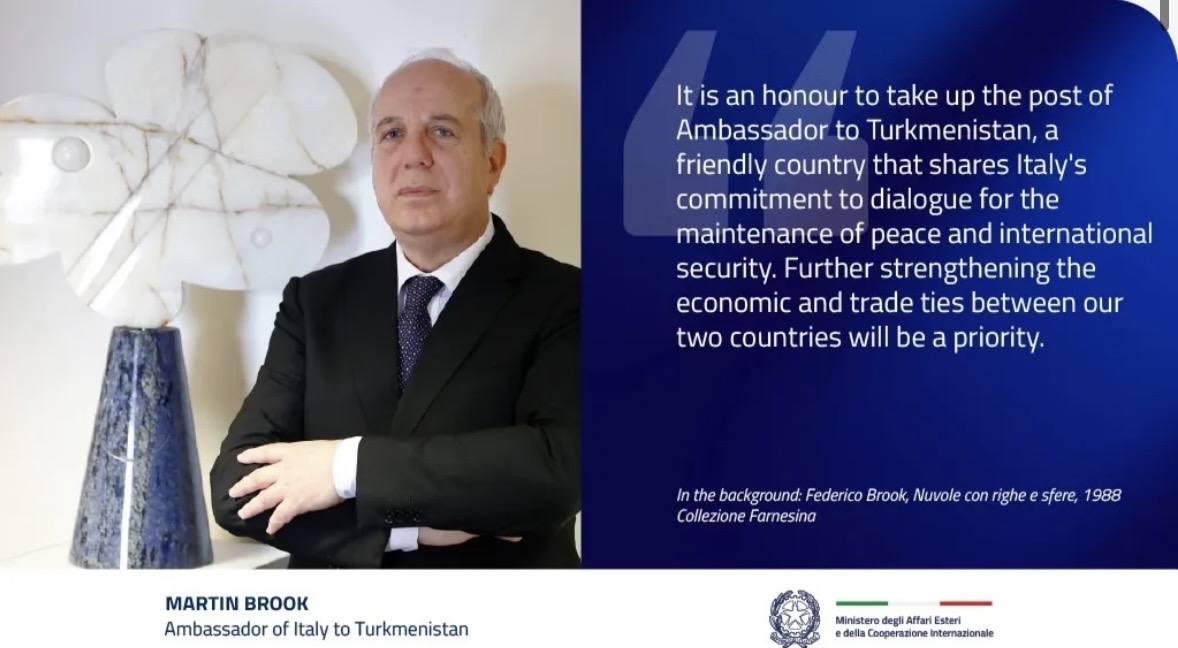
Italy appoints new Ambassador to Turkmenistan to strengthen bilateral ties
08 Apr. 11:03The Italian Ministry of Foreign Affairs has officially appointed Martin Brook as the new Ambassador Extraordinary and Plenipotentiary to Turkmenistan. Brook succeeds Luigi Ferrari, who has been leading the diplomatic mission in Ashgabat since December 2022. This appointment reflects Italy's continued commitment to maintaining high-level diplomatic representation in Central Asia and fostering a robust partnership with the Turkmen government.
In his inaugural statement, Ambassador Brook expressed deep honor in representing Italy in a nation that shares a common commitment to international security and global peace. He emphasized that Turkmenistan is a valued partner and that his tenure will be dedicated to deepening the existing bonds of friendship between the two sovereign states. The diplomat highlighted the importance of constructive dialogue as a foundation for addressing shared regional challenges.
Expanding economic and trade cooperation remains the primary focus of the new ambassador's mission. Brook aims to prioritize the diversification of bilateral trade and the promotion of Italian industrial expertise within Turkmenistan’s growing economy. By encouraging direct investments and supporting collaborative projects in infrastructure and energy, the embassy intends to create a more dynamic environment for business exchanges and technological transfer between Rome and Ashgabat.
Diplomatic relations between Turkmenistan and Italy were established in June 1992, followed by a steady expansion of their respective diplomatic presence. Italy opened its embassy in Ashgabat in late 2013, while Turkmenistan established its mission in Rome in 2016. The arrival of the new ambassador marks a proactive step in enhancing this long-standing relationship, ensuring that both nations continue to collaborate effectively in political, cultural, and economic sectors.
Also read
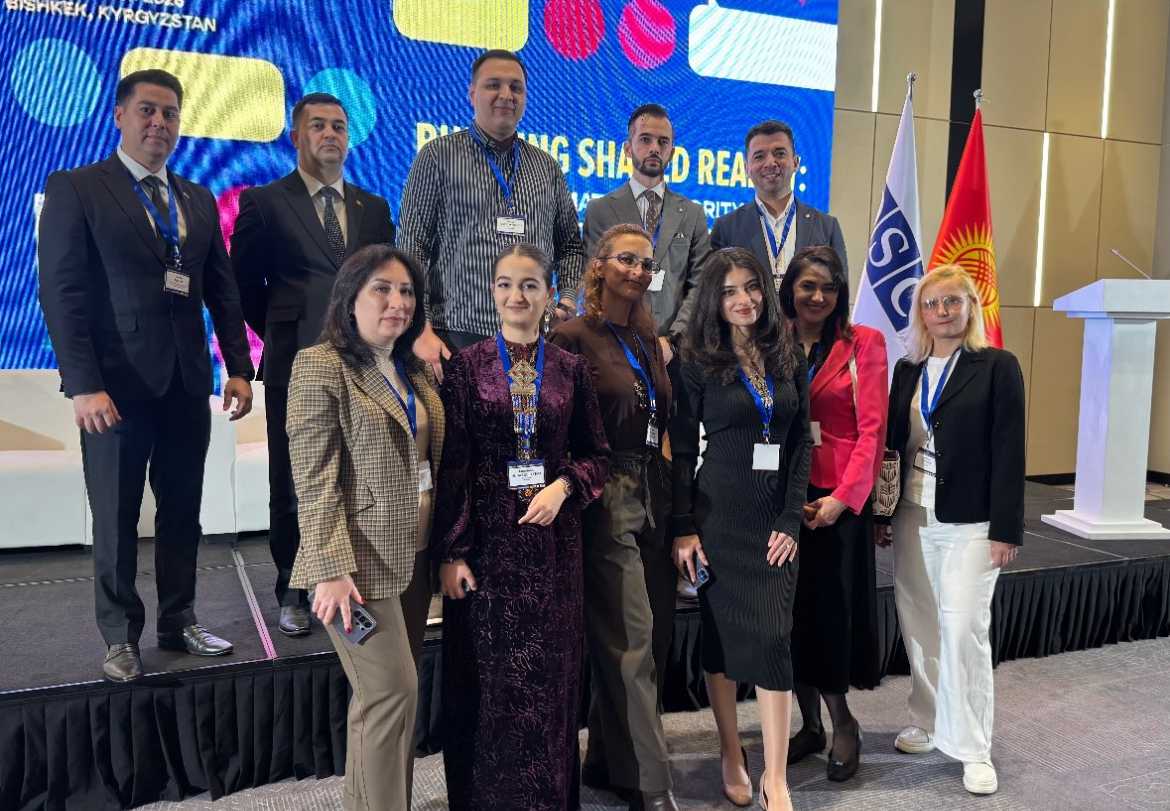
Turkmen Journalists and Experts Participated in the OSCE Central Asia Media Conference in Bishkek
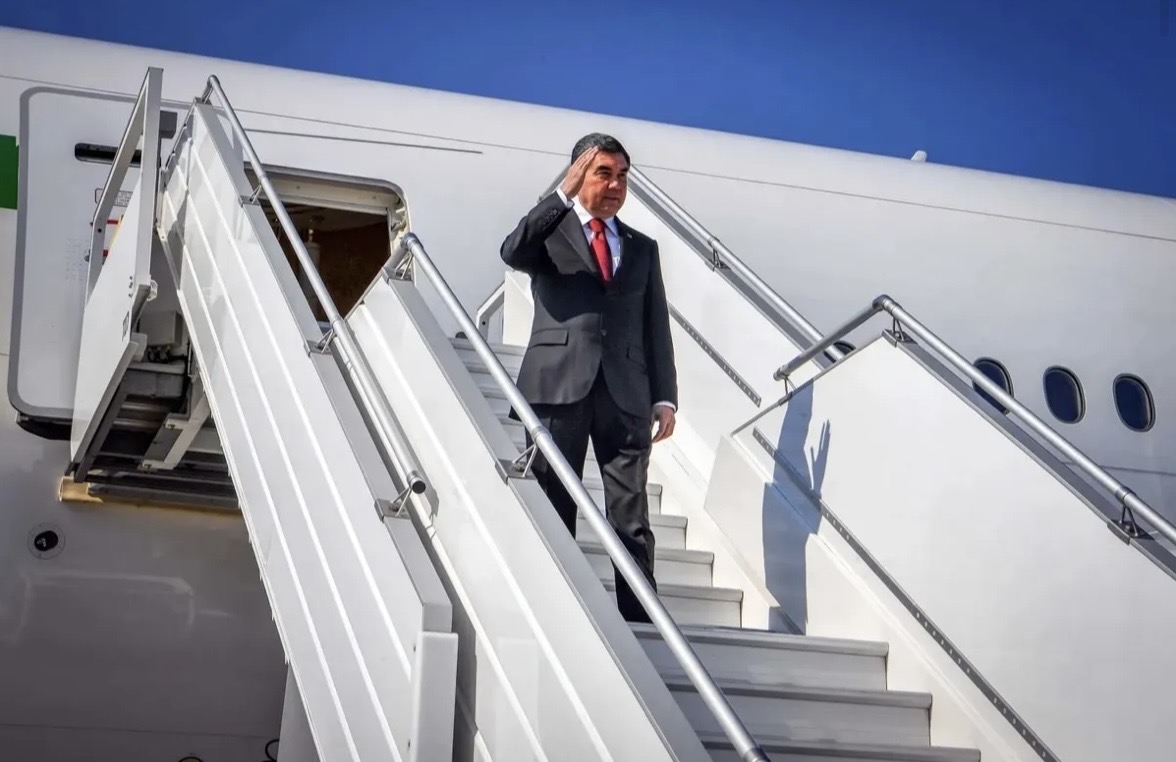
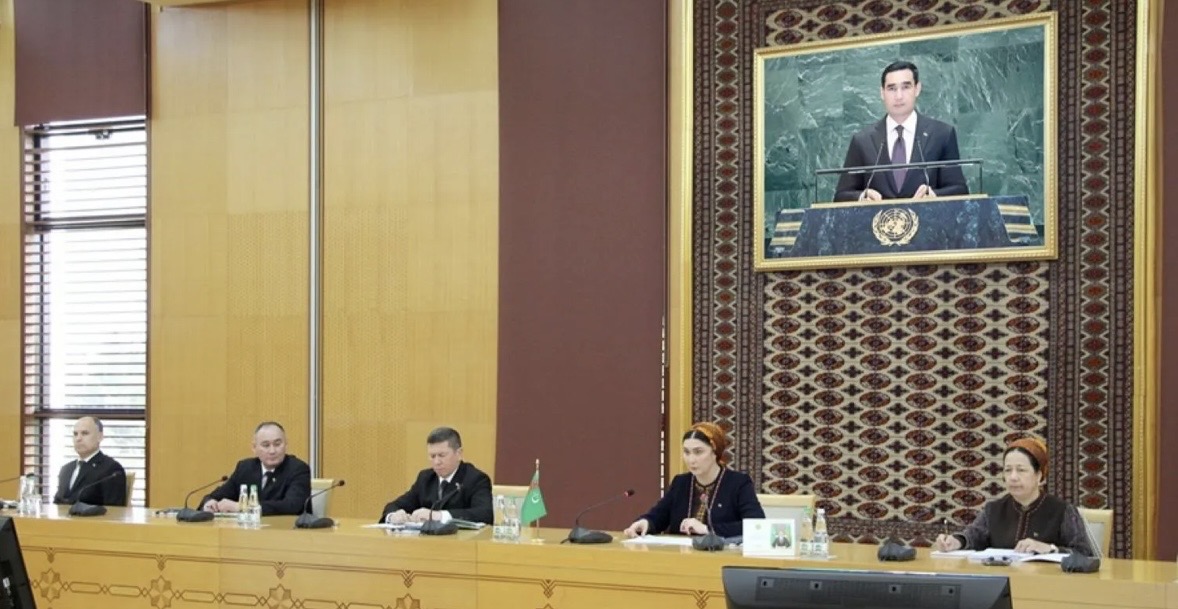
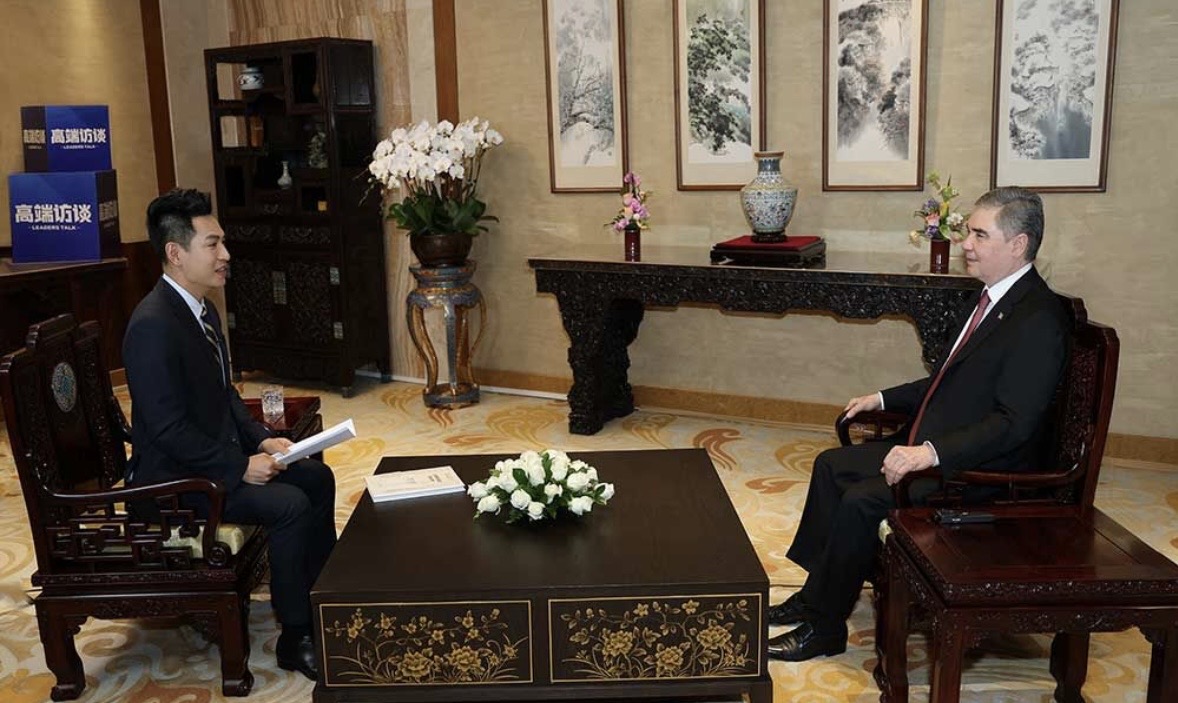
10 Oct. 13:57On October 9–10, 2026, the capital of Kyrgyzstan hosted a major OSCE Central Asia Media Conference, bringing together leading experts, government officials, civil society representatives, and media professionals from across the region. Entitled "Building Shared Reality: Information Integrity, Media Ethics and Trust in the Digital Age," this high-level forum addressed the most pressing contemporary challenges, including the transformation of information ecosystems, the impact of Big Tech, the deployment of artificial intelligence systems, and the digital safety of media workers.
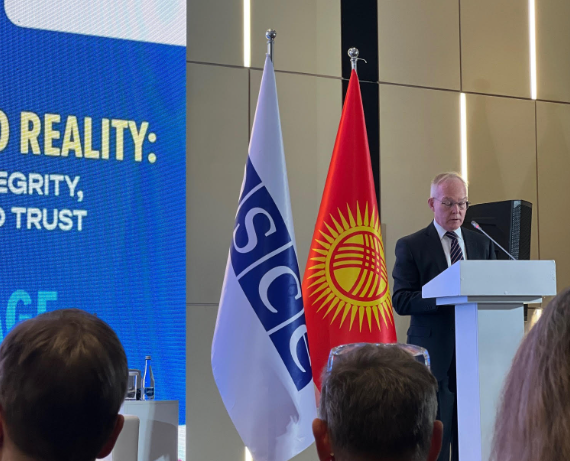
The significance of this conference is profound, serving as an essential platform for building cross-border dialogue, reinforcing professional journalistic standards, and collectively shaping regional solutions amidst rapid digitalization.
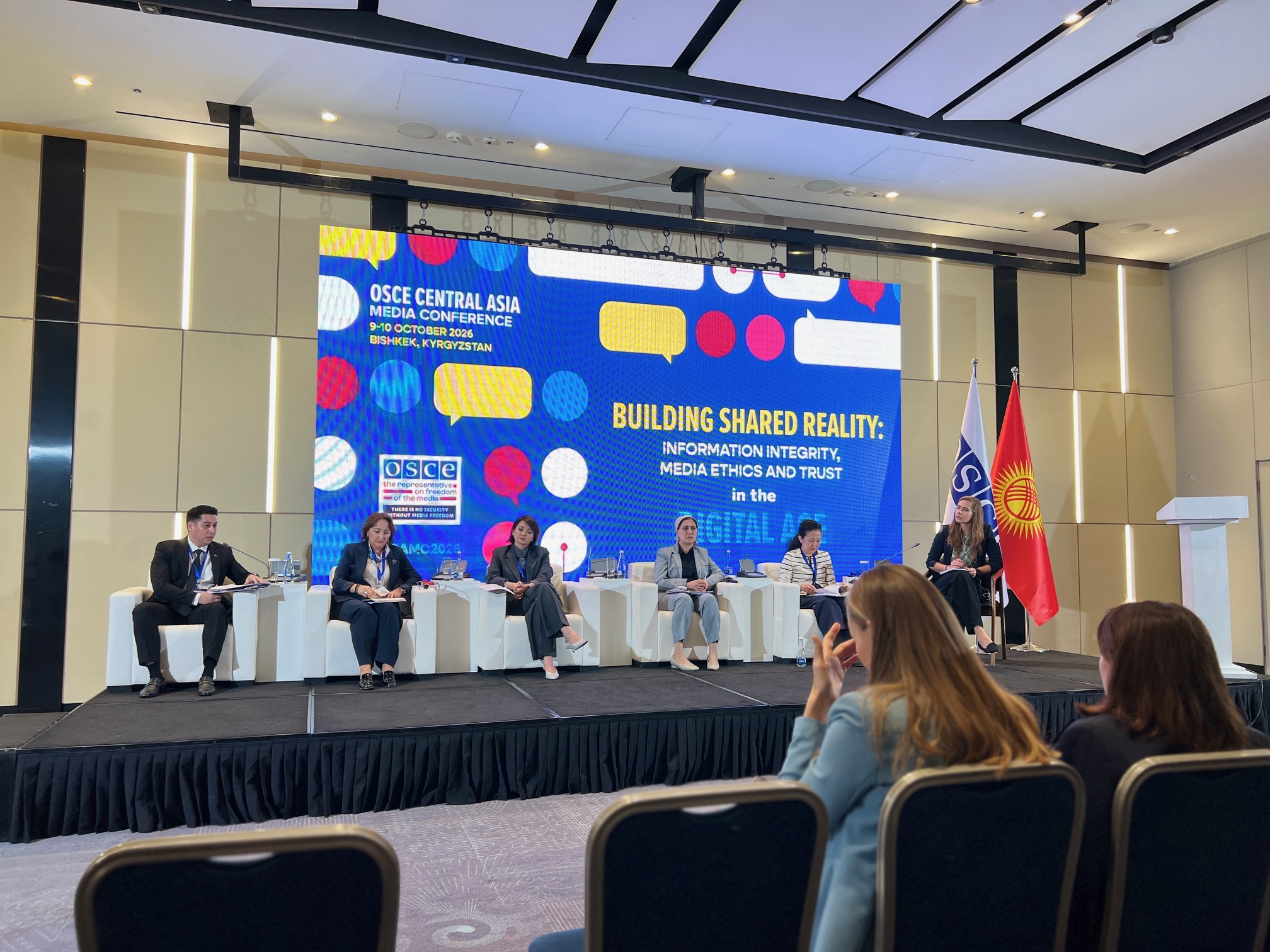
Throughout the rich program of the forum, participants discussed a wide array of topics ranging from independent self-regulation standards and source protection to practical tools for AI integration in newsrooms and gender-sensitive approaches to journalists' safety. Representatives from Turkmenistan took an active part in the conference sessions, highlighting national priorities within the broader regional framework. Specifically, during discussions on implementing OSCE policy guidelines, Turkmen delegation member emphasized the importance of a phased approach to developing the media environment—one grounded in studying international experience, expert dialogue, and adaptation to national and linguistic realities.
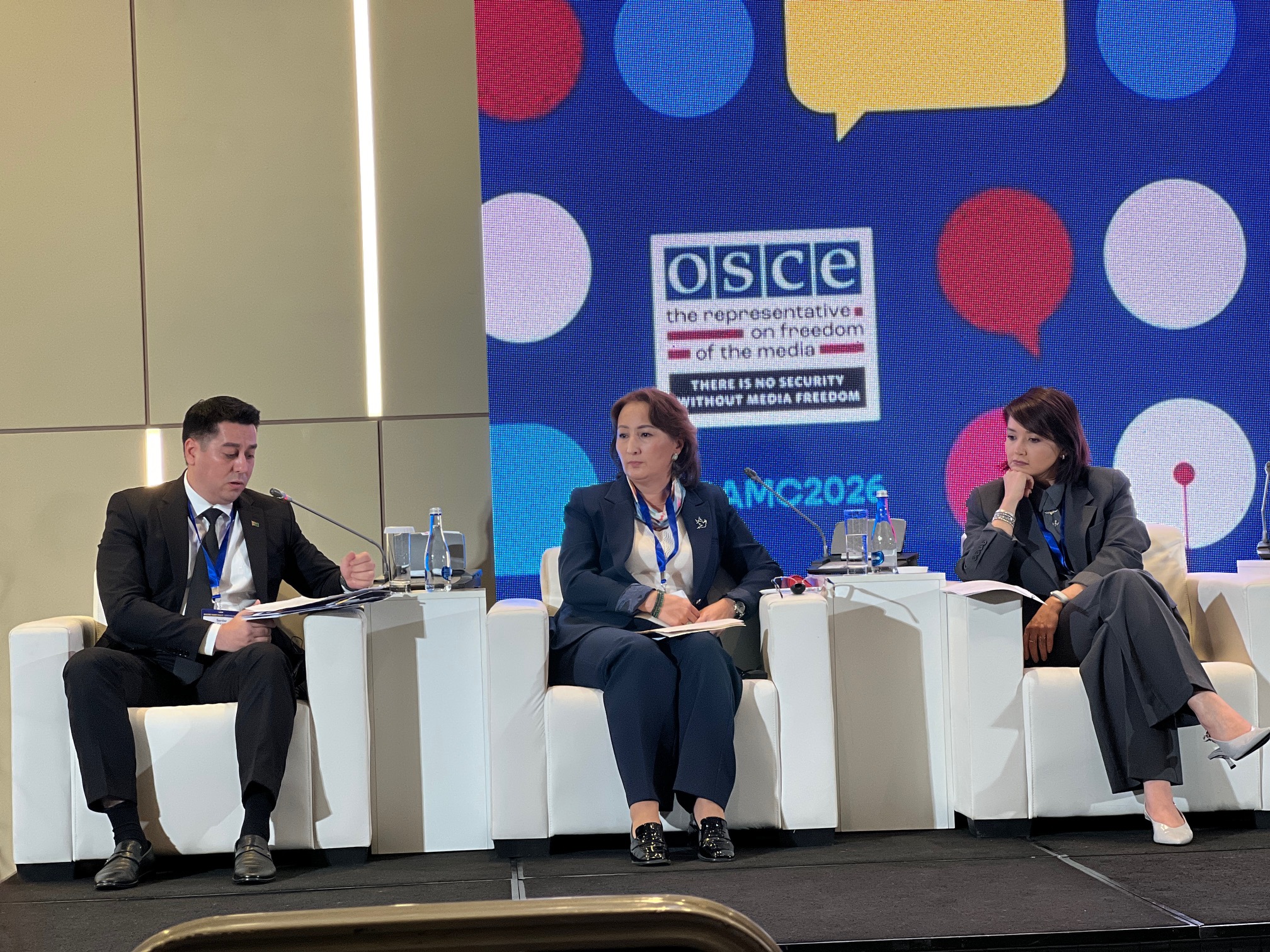
Key topics included digital platform transparency, the development of Turkmen-language AI models, media economic sustainability, and copyright protection in the era of AI. Additionally, Azat Seyitmuhammedov, founder of Arzuw News, shared practical insights into deploying generative artificial intelligence to optimize workflows in smaller local newsrooms.
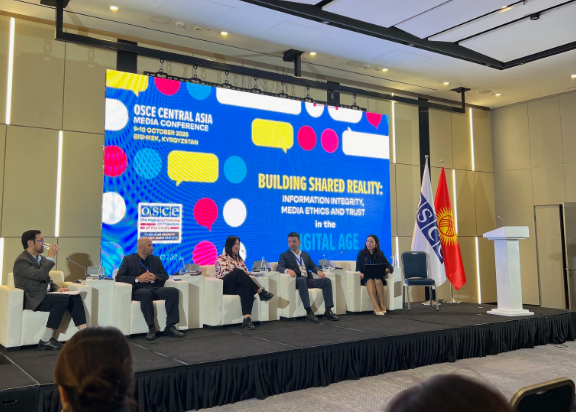
The conference underscored that continuous multilateral dialogue among Central Asian nations and international partners, including the OSCE Centre in Ashgabat, is vital for successfully navigating the technological challenges of the future.
Blitz