
Playlist

Apple has unveiled a new technology called Apple Reference Image for its flagship iPhone 18 Pro and iPhone 18 Pro Max models. The feature allows users to verify that an image was captured directly using the device’s physical camera and has not been altered or generated by artificial intelligence. Global coverage of these technological advancements is highlighted by the Turkmen Expo news team.
Apple defines this solution as a digital negative designed specifically for the era of generative artificial intelligence. Once the dedicated mode is enabled, the camera sensor applies a cryptographic signature to pixel data immediately upon image capture. This process generates a secure copy containing raw sensor data and cryptographic timestamps, which remains safely stored on the device.
For verification, the encrypted data is processed directly through the Private Cloud Compute environment to reconstruct the image. According to Apple, the architecture is specifically engineered to resist data tampering, operating system breaches, and cryptographic threats. The platform automatically calculates a trust rating for each individual photo.
If any unauthorized modifications or falsifications are detected during the check, Apple reserves the capability to revoke the trust status of that specific photo.
Furthermore, the system strictly prioritizes user privacy and security. It avoids disclosing any personal information about the photographer and prevents different photographs taken with the same camera sensor from being linked together.
Also read


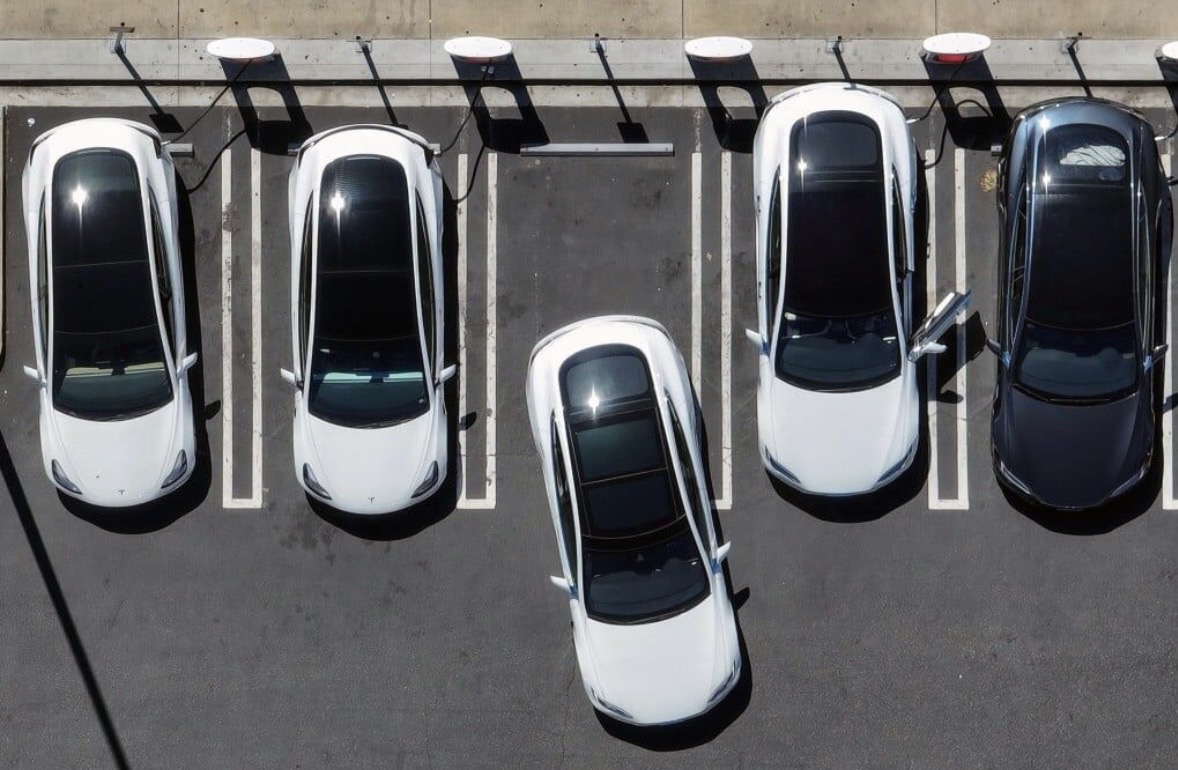

On-the-Go Power: Japanese Engineers Develop Wireless In-Road Charging for Electric Vehicles
10 Oct. 08:10In a major leap for electric mobility, Honda R&D, alongside Taisei Corporation and Taisei Rotec, has unveiled an innovative dynamic wireless charging system that charges electric vehicles as they drive. By embedding compact energy-transmitting modules directly into the road surface, the system transfers power via a magnetic field to receivers mounted underneath moving vehicles. Designed to withstand heavy commercial transport up to 20 tons, real-world road testing is scheduled to begin in Japan in April 2027.
The technology eliminates the need for full road reconstruction, as modules can be integrated directly into milled asphalt layers. Aimed at boosting charging power up to 150 kW in future iterations, this infrastructure solution promise to significantly reduce grid pressure on traditional charging stations, particularly for logistics and commercial fleets.
Blitz