
Playlist
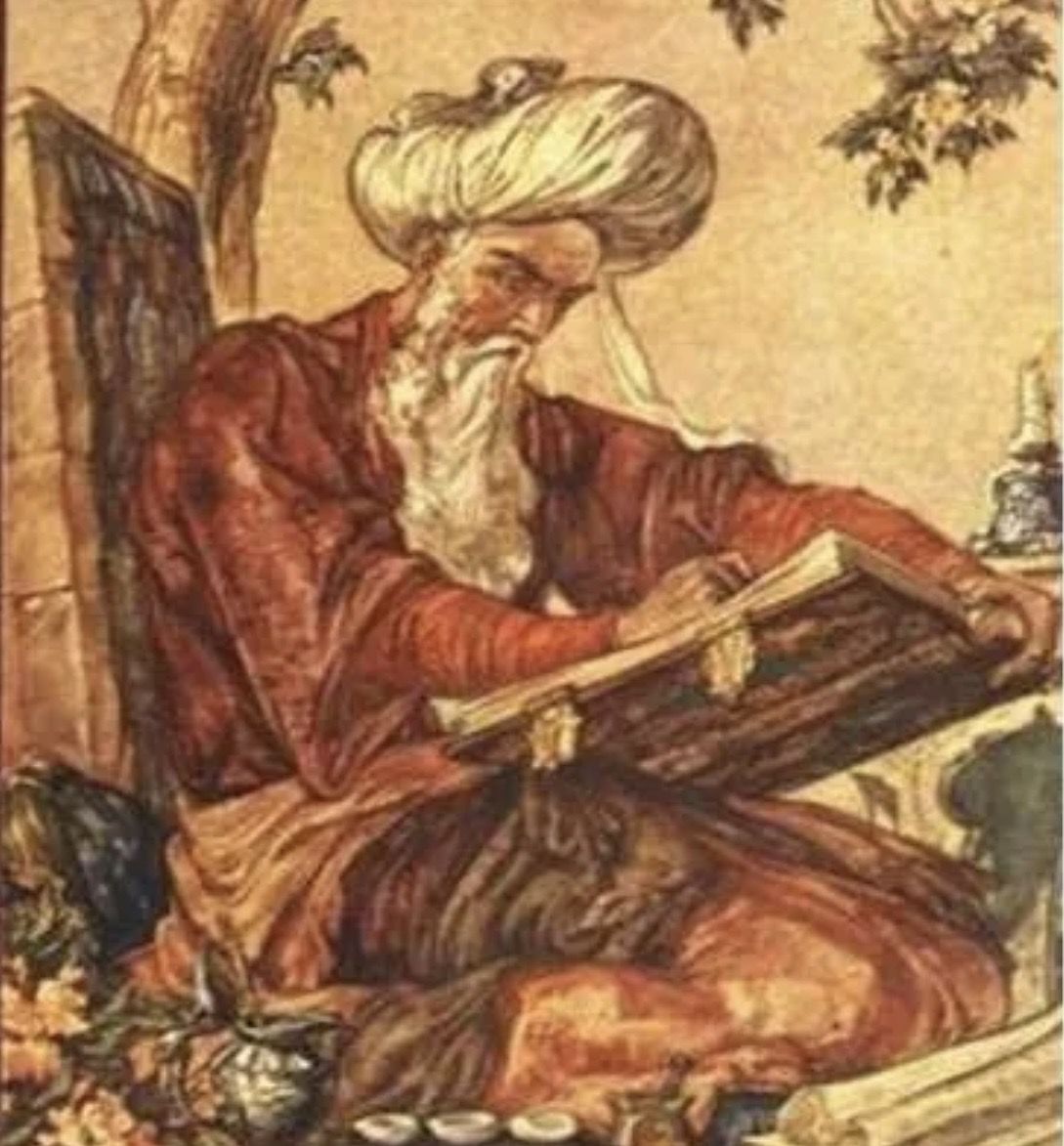
International Triumph: Tajik Edition of Ferdowsi's "Shahnameh" Wins Grand Prix
31 Jul. 07:50The Tajik edition of Abulqasim Ferdowsi's epic poem "Shahnameh" was awarded the Grand Prix at the 23rd International "Book Art" Contest held among CIS member states in Minsk. The achievement was reported by "MIR 24" correspondent Mariama Rakhmanova.
The competitive event gathered 60 distinct publications representing 6 countries. Following a comprehensive review by the panel of judges, the volume published in Tajikistan was unanimously named the overall winner of the competition.
Composed between the late 10th and early 11th centuries by Abulqasim Ferdowsi, the epic holds the distinction of being the longest poem written by a single author. The narrative chronicles the history of ancient kings, heroes, and nations spanning from mythological eras up to the 7th century.
The evaluation and final awards ceremony took place at the National Library of Belarus. Experts assessed the entries based on artistic design, printing execution, and contribution to cultural heritage preservation. Ibragim Ahmad, head of the publishing and printing department at the Ministry of Culture of Tajikistan, noted that the top award underscores the rapid development of the nation's publishing industry.
Also read

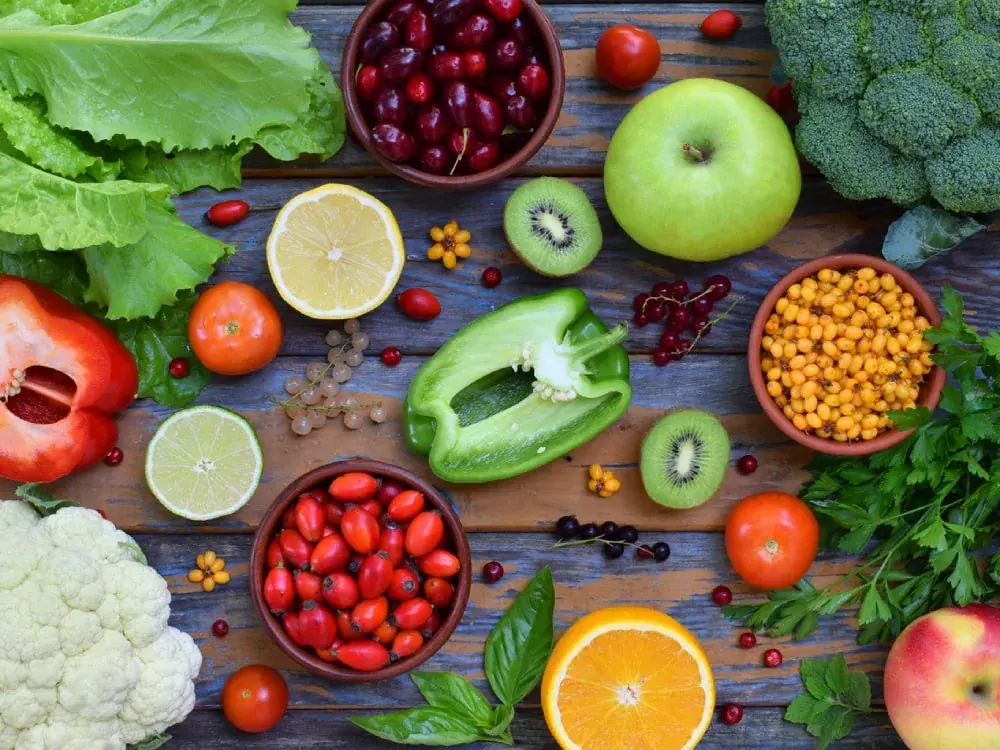
Simple Vitamin Shows Surprising Results in Pre-Cancerous Blood Conditions, Study Finds
Today in 02:02Daily high-dose supplementation of vitamin C can significantly reduce mortality risks and help prevent severe medical complications in patients with pre-cancerous blood conditions. Researchers from the Van Andel Institute in the United States and Copenhagen University Hospital in Denmark reached this conclusion following a comprehensive three-year follow-up study. The international "EVITA" trial involved volunteers who were administered 1,000 mg of vitamin C daily over the course of a year, while a control group received a placebo.
Although initial hypotheses suggested vitamin C might directly inhibit abnormal cell proliferation, researchers found its primary benefit lay in strengthening the body, reducing systemic inflammation, and lowering rates of anemia, pneumonia, and internal bleeding. Over the three-year observation period, the vitamin C group exhibited a significantly higher survival rate compared to the placebo group. While experts emphasize that these findings remain preliminary and require larger clinical trials before reshaping formal medical treatment protocols, vitamin C continues to show promising potential in supportive patient care.
Blitz