
Playlist
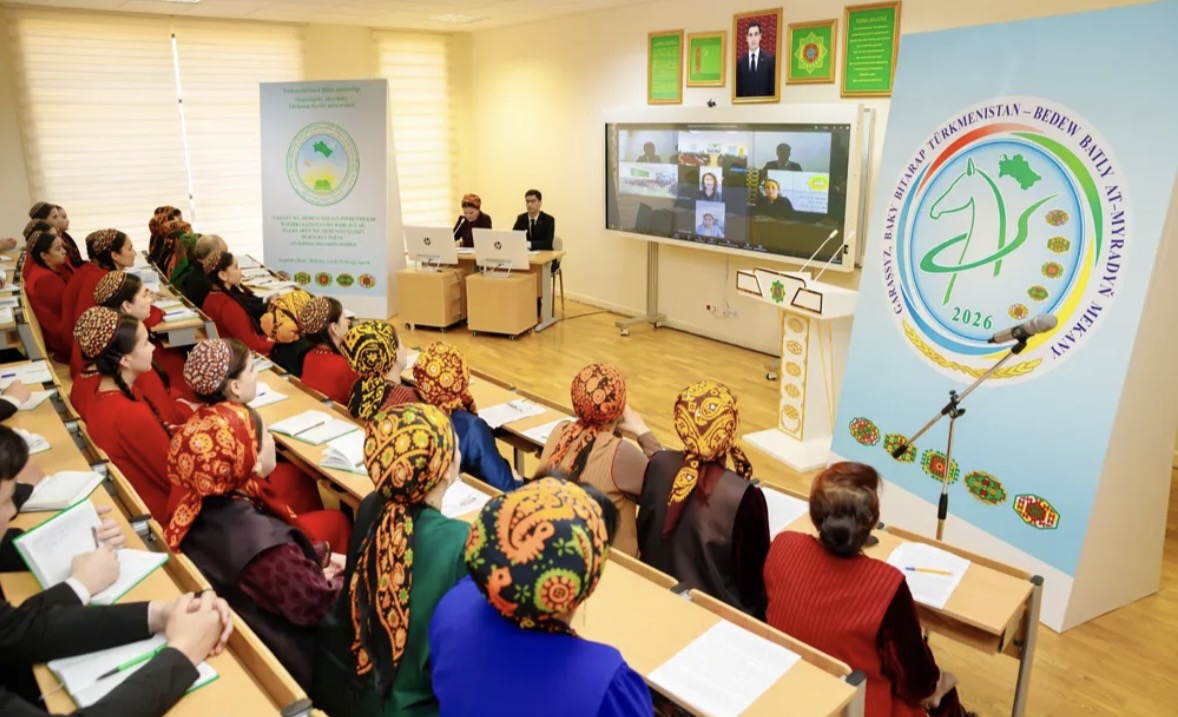
International Scientific Conference on Cultural Heritage Concludes at TSU
18 Apr. 05:56The international scientific-practical conference focused on modern research in historical and cultural heritage recently concluded at Magtymguly Turkmen State University. The forum provided an extensive platform for scholars to discuss the sustainable development of nations and the preservation of global cultural assets. The event’s closing day featured specialized sectional sessions followed by a comprehensive final plenary meeting.
Organized via a digital format, the conference’s academic agenda was divided into three strategic directions. These included the role of international cooperation with UNESCO, the modern evolution of humanitarian ties, and the improvement of methodologies for studying and teaching history. Participants emphasized that integrating global best practices is essential for the effective protection of both national and world heritage sites.
The conference brought together a diverse group of researchers and professors from countries such as Russia, Italy, China, Turkey, and several African nations including Tanzania and Rwanda. Keynote speakers highlighted how international partnerships in cultural preservation are guided by the principles of positive neutrality and humanism. Representatives from various academic institutions shared their regional experiences in tackling contemporary challenges in archaeology and ethnography.
The final session focused on summarizing the reports from the thematic sections and acknowledging the high organizational standards of the university. Special certificates were awarded to distinguished scientists, PhD students, and educators for their outstanding contributions to the forum. The meeting reaffirmed that such international dialogues are vital for fostering mutual understanding and advancing scientific collaboration across borders.
Also read


Simple Vitamin Shows Surprising Results in Pre-Cancerous Blood Conditions, Study Finds
Today in 02:02Daily high-dose supplementation of vitamin C can significantly reduce mortality risks and help prevent severe medical complications in patients with pre-cancerous blood conditions. Researchers from the Van Andel Institute in the United States and Copenhagen University Hospital in Denmark reached this conclusion following a comprehensive three-year follow-up study. The international "EVITA" trial involved volunteers who were administered 1,000 mg of vitamin C daily over the course of a year, while a control group received a placebo.
Although initial hypotheses suggested vitamin C might directly inhibit abnormal cell proliferation, researchers found its primary benefit lay in strengthening the body, reducing systemic inflammation, and lowering rates of anemia, pneumonia, and internal bleeding. Over the three-year observation period, the vitamin C group exhibited a significantly higher survival rate compared to the placebo group. While experts emphasize that these findings remain preliminary and require larger clinical trials before reshaping formal medical treatment protocols, vitamin C continues to show promising potential in supportive patient care.
Blitz