
Playlist
Indian Authorities Investigate Mass Poultry Death Linked to Loud Wedding Music
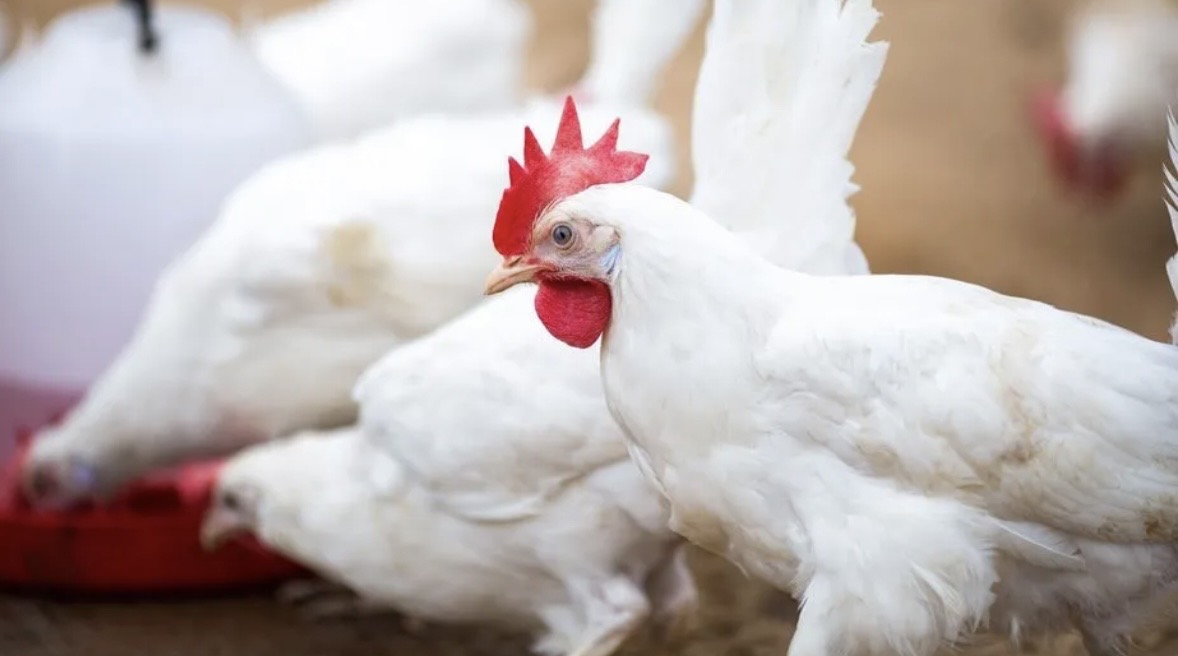
02 May. 06:51A local farmer in India, Sabir Ali, has reported the sudden death of 140 chickens on his poultry farm, attributing the loss to extreme noise pollution from a nearby wedding celebration. According to the farmer, the birds suffered fatal physiological stress caused by the high-decibel music and heavy bass produced by a mobile DJ unit during a festive street procession. The incident has sparked a legal inquiry into noise regulation and its impact on livestock.
The event unfolded as a wedding party for a local resident’s daughter passed by Ali’s farm around 9:30 PM. The farmer claimed that the volume from the DJ’s sound system was exceptionally high, causing the chickens to collapse and die in rapid succession. Ali stated that his urgent requests to lower the volume were disregarded by the wedding party, leading to the substantial loss of his livestock.
Following a formal complaint, local police have launched an investigation into the DJ's actions and the circumstances of the event. Investigators are tasked with determining whether the noise levels exceeded legal limits and if the sound pressure was the direct cause of the birds' deaths. Veterinarians may also be consulted to assess the biological impact of sudden loud noises on poultry health.
Both the wedding host and the DJ involved have so far declined to provide statements regarding the allegations. This case highlights growing concerns over the lack of noise control in rural areas and the potential economic consequences for small-scale farmers living in close proximity to large social gatherings.
Also read



A rye-wheat loaf preserved in a freezer for 36 years has been put on public display as part of the permanent exhibition at the Deutschlandmuseum in Berlin. Dubbed "The Last Loaf of the GDR," it was originally purchased on June 26, 1990, by student Michael Hagedorn, who bought an extra loaf fearing potential food shortages amidst the economic unification of East and West Germany.
The museum's director, Robert Rückel, described the unusual artifact as a unique poignant symbol of everyday human decisions during times of monumental geopolitical change. To maintain its preserved state, the museum installed a custom refrigeration unit where the historical loaf remains permanently frozen for visitors to view.
Blitz