
Playlist
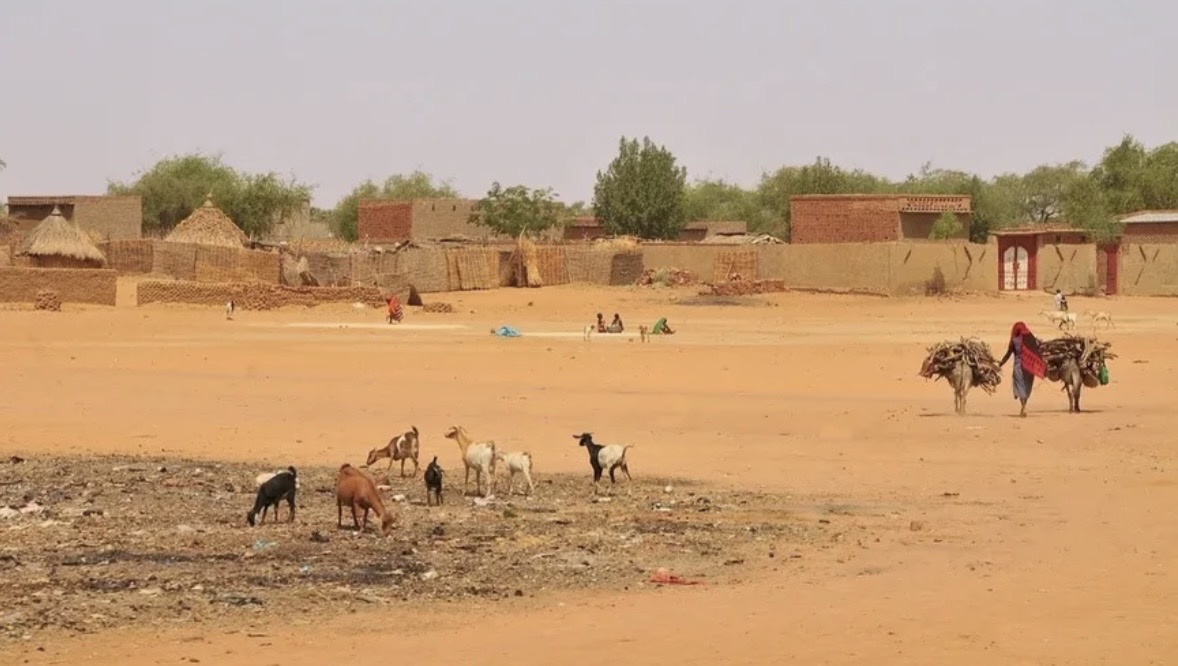
In the Wadi Fira province of Chad, a violent confrontation between two prominent families over the use of a water well has resulted in a significant loss of life. Regional authorities have confirmed that the dispute escalated rapidly, leading to the deaths of at least 42 individuals. This tragic incident highlights the extreme pressures placed on local communities due to the scarcity of essential natural resources in arid regions.
Tribal and inter-communal clashes over land, livestock, and water rights remain a persistent challenge in this part of Africa. According to data provided by the International Crisis Group, these disputes have claimed over a thousand lives and caused thousands of injuries between 2021 and 2024. The inability to reach sustainable agreements on resource management continues to trigger outbreaks of violence among local populations.
The humanitarian situation in eastern Chad is further complicated by the massive influx of refugees fleeing the ongoing conflict in neighboring Sudan. This sudden increase in population density has placed an immense strain on the already limited water supply and infrastructure. The competition for basic survival needs between local residents and displaced persons creates a volatile environment that threatens regional security.
Chad's high-ranking government officials, including the Prime Minister, have addressed the public, stating that security forces have brought the immediate situation under control. However, experts emphasize that long-term stability requires more than just military intervention; it demands comprehensive strategies for resource distribution. Ongoing efforts are focused on mediating between the involved parties to prevent future escalations and ensure public safety.
Also read


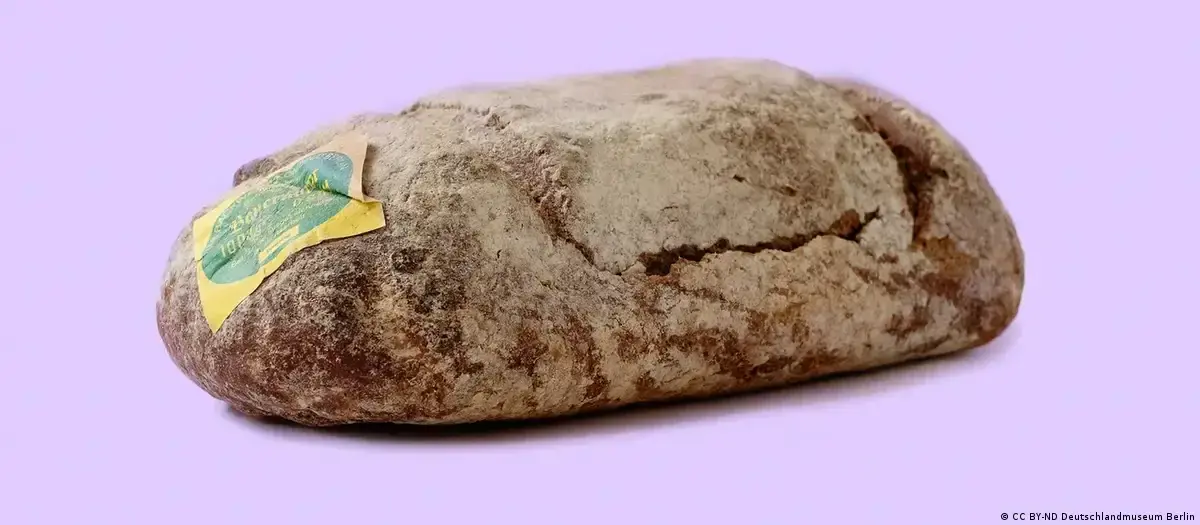
A rye-wheat loaf preserved in a freezer for 36 years has been put on public display as part of the permanent exhibition at the Deutschlandmuseum in Berlin. Dubbed "The Last Loaf of the GDR," it was originally purchased on June 26, 1990, by student Michael Hagedorn, who bought an extra loaf fearing potential food shortages amidst the economic unification of East and West Germany.
The museum's director, Robert Rückel, described the unusual artifact as a unique poignant symbol of everyday human decisions during times of monumental geopolitical change. To maintain its preserved state, the museum installed a custom refrigeration unit where the historical loaf remains permanently frozen for visitors to view.
Blitz