
Playlist

India has officially lifted its restriction on wheat exports after four years. According to the Directorate General of Foreign Trade of India, the policy change took effect immediately and covers durum wheat, flour, and related grain products. The decision is expected to increase global supply and reduce economic pressures on countries dependent on grain imports.
The export curbs, originally introduced in 2022 to safeguard domestic food security amidst global price surges, were revoked following strong agricultural yields. India harvested a record 120.6 million metric tons of wheat in the last agricultural season, with the USDA projecting that grain reserves could hit record highs by the end of the 2026/2027 trade year.
The full removal of the export ban will notably enhance wheat shipments to developing markets across Asia, Africa, and the Middle East.
Also read


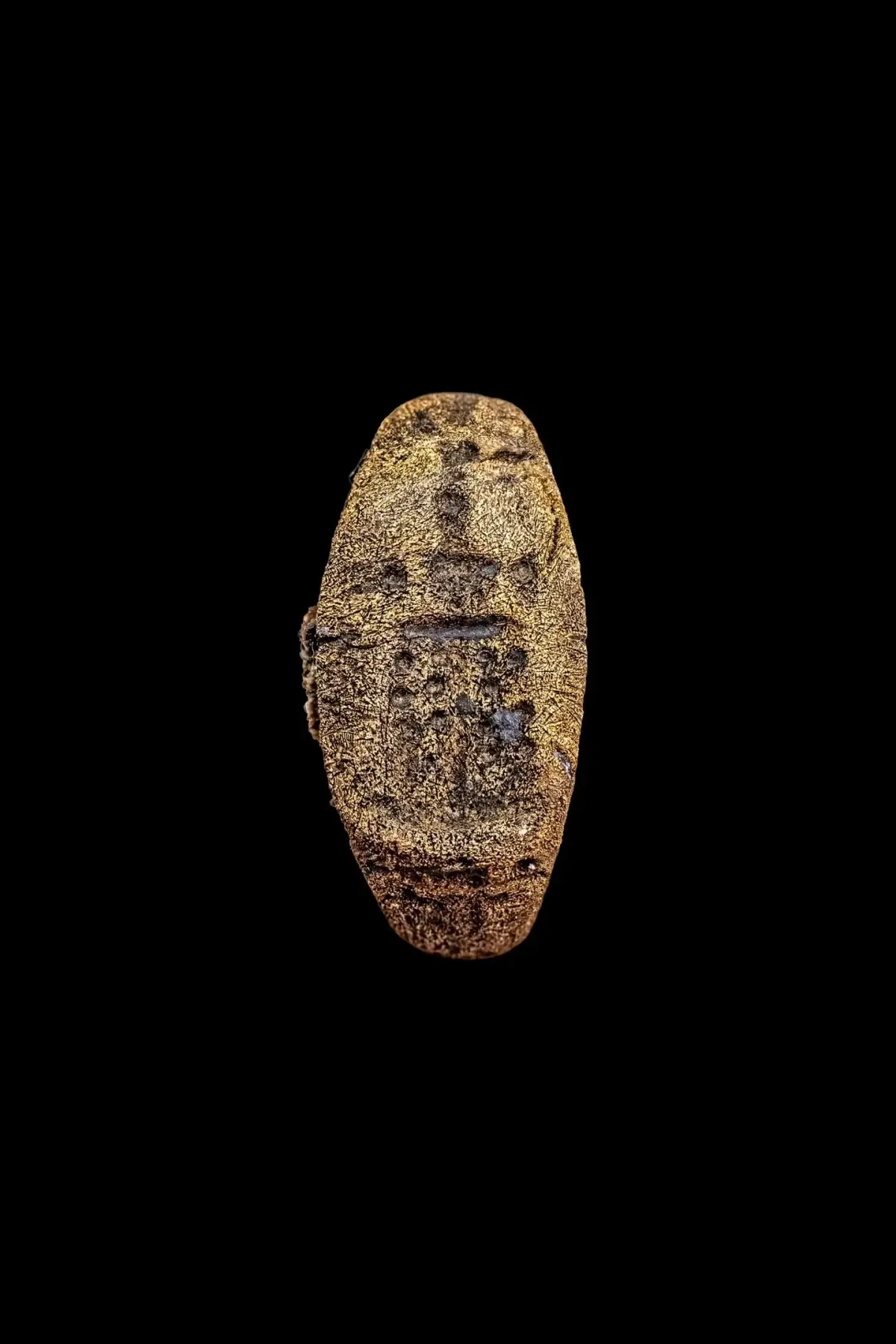
Underwater Archeologists Discover Rare Ring Featuring the Ancient Lighthouse of Alexandria
Today in 07:24Archaeologists exploring the submerged island of Antirhodos near Alexandria, Egypt, have uncovered a unique bronze signet ring. As reported by The Art Newspaper, the artifact features a detailed engraving of the Pharos Lighthouse of Alexandria, known as one of the Seven Wonders of the Ancient World. Researchers emphasize that this is the only known ring of its kind featuring an explicit depiction of the legendary structure.
The discovery was made by a team from the European Institute for Underwater Archaeology (IEASM), led by renowned marine archaeologist Franck Goddio, near the ancient Royal Port. Project leaders suggest that the artifact's link to the royal quarter provides valuable context for understanding the layout of the complex, indicating that the surrounding area once housed administrative offices associated with the lighthouse's maritime operations.
Egypt’s Ministry of Tourism and Antiquities hailed the find as a monumental archaeological milestone. The imagery on the ring closely matches depictions of the lighthouse found on Roman coins dating back to the 2nd century AD, allowing historians to verify historical records regarding the architectural appearance of the Pharos Lighthouse before it was destroyed by earthquakes in the 14th century.
However, international experts advise caution regarding definitive historical conclusions. Hector Williams, an archaeologist at the University of British Columbia, noted that determining the exact date and significance of the ring will require extensive analysis of the surrounding sediment layers and adjacent artifacts recovered from the seabed.
Blitz