
Playlist
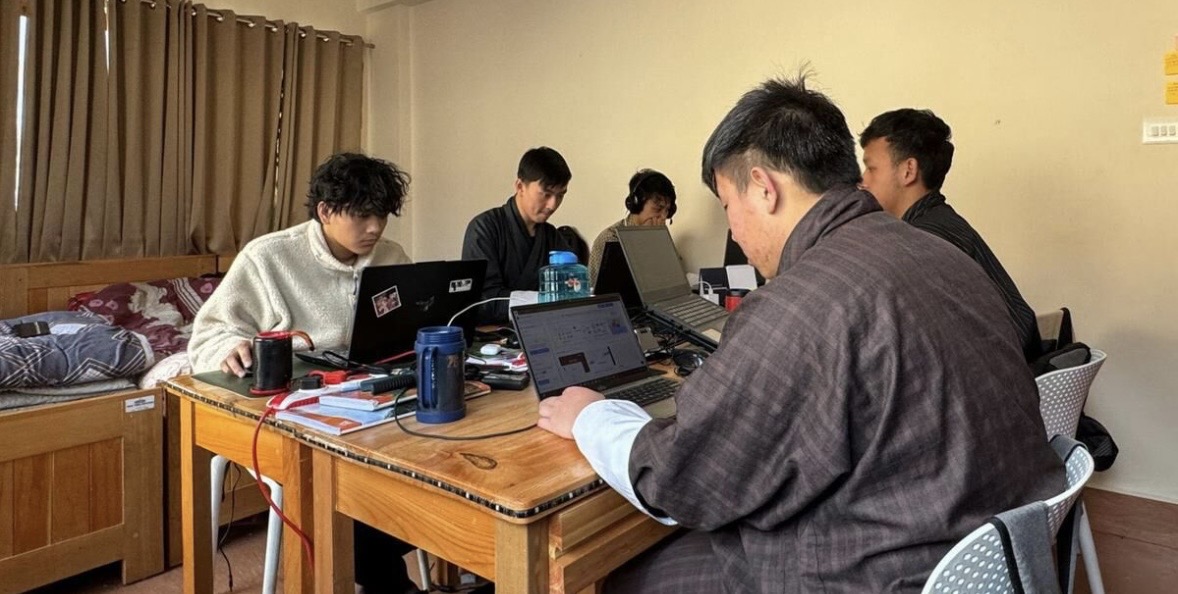
A new global ranking has identified the countries with the longest average working hours, placing Bhutan at the top of the list. In this Himalayan kingdom, the average workweek spans 54.7 hours per employee. Experts attribute these high figures to the dominance of labor-intensive industries and a relatively low level of industrial automation, which necessitates longer hours to meet national production demands.
Following Bhutan, Lesotho ranks second with an average of approximately 50 hours per week, while Sao Tome and Principe holds the third spot with 49 hours. The top five also includes the Republic of the Congo and Jordan. Most nations characterized by extended work schedules are located in Asia and Africa, where the local economies are heavily reliant on primary sectors such as agriculture and forestry.
This geographic and economic distribution highlights a clear trend: in regions where technology has not yet fully streamlined production, the human factor remains the primary driver of the economy. In these countries, a long workweek is a functional necessity rather than a lifestyle choice, reflecting the structural challenges of transitioning toward more service-oriented or automated economic models.
However, economists point out that a shorter workweek is not always an indicator of national prosperity. Interestingly, the group of countries with the fewest working hours includes both highly developed Norway and crisis-stricken Yemen. This comparison suggests that while in some nations shorter hours result from high productivity and social benefits, in others they may stem from a lack of employment opportunities or overall economic instability.
Also read

Italy’s Calabria Region Offers 50 Free Renovated Homes to New Residents
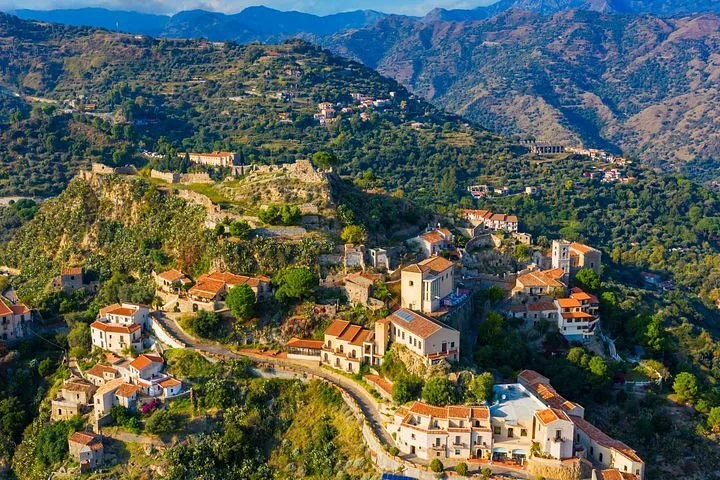
18 Nov. 16:44Regional authorities in southern Italy’s Calabria have launched a new initiative titled "La Calabria ti regala la casa" (Calabria Gifts You a Home) to attract newcomers and curb population decline. Under the scheme, 50 properties located across 26 small towns and villages with fewer than 5,000 inhabitants will be handed over rent-free for up to ten years. Unlike Italy's well-known "one-euro home" programs that require buyers to fund costly restorations themselves, the Calabrian government has allocated €20 million to cover all renovation expenses.
Recipients do not gain legal ownership of the properties, which are instead provided under a ten-year free-use agreement, with post-decade terms still yet to be finalized. Eligibility is open to adults over 18 who have lived outside Calabria for at least three years and are willing to relocate there permanently. Subletting the residences or listing them as tourist rentals is strictly prohibited.
The available housing stock includes apartments in historic medieval centers, garden homes, and properties overlooking the mountains. Priority during the selection process will be given to Italian expatriates returning from abroad, young families, single parents, remote workers, artisans, cultural professionals, and individuals with disabilities.
This housing drive comes in response to a sharp demographic downturn, as Calabria’s population dropped by 6.4% over the past decade—the steepest decline in Italy, contrasting sharply with Lombardy's 1.1% growth. The region has previously introduced other bold incentives, including relocation grants of up to €28,000 in 2021 and a €1,000 monthly stipend launched in 2026 for local university students to keep young talent from moving north.
Blitz