
Playlist
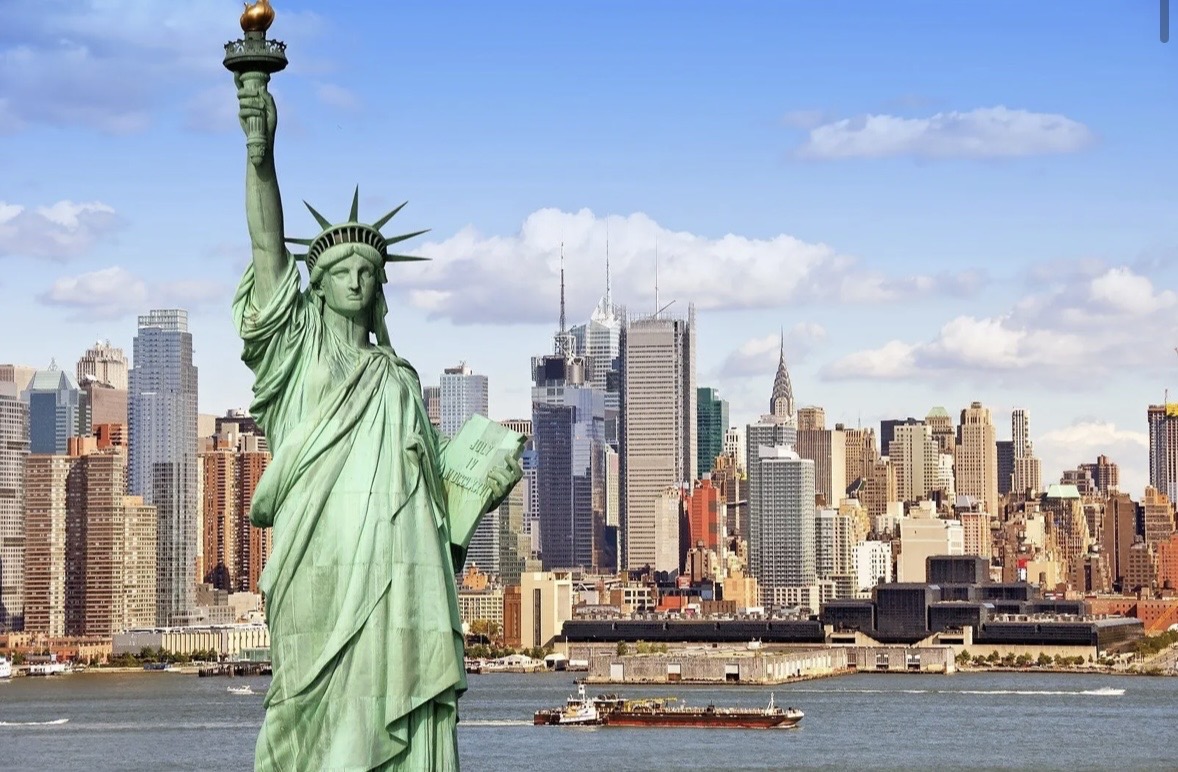
A comprehensive global study conducted by the Gallup organization indicates that international interest in migrating to the United States has hit its lowest point in the history of such observations. Currently, only 15% of respondents worldwide express a desire to permanently relocate to the U.S. This figure represents a sharp decline from the 24% recorded during the late 2000s and 18% in 2017.
Despite the overall downward trend, the United States continues to hold appeal for residents of specific geographical regions. Inhabitants of Latin America, the Caribbean, and Sub-Saharan Africa still view the U.S. as a primary destination for seeking better opportunities. However, the global perception of the country as the ultimate destination for migrants is clearly evolving, with other nations becoming more competitive.
The survey also highlighted an unexpected shift in the mindset of American citizens themselves. Specifically, the percentage of American women under the age of 45 who consider moving abroad has surged dramatically, reaching 40%. This is a stark contrast to a decade ago, suggesting that internal social and economic factors are prompting a reevaluation of life quality within the country.
This extensive research involved approximately 144,000 individuals across 140 nations, providing a detailed snapshot of modern migration trends. The findings suggest that the global landscape of human mobility is undergoing a transformation, with traditional destination hubs facing new challenges in maintaining their attractiveness. The data reflects a broader change in how people prioritize stability and future prospects.
Also read


A rye-wheat loaf preserved in a freezer for 36 years has been put on public display as part of the permanent exhibition at the Deutschlandmuseum in Berlin. Dubbed "The Last Loaf of the GDR," it was originally purchased on June 26, 1990, by student Michael Hagedorn, who bought an extra loaf fearing potential food shortages amidst the economic unification of East and West Germany.
The museum's director, Robert Rückel, described the unusual artifact as a unique poignant symbol of everyday human decisions during times of monumental geopolitical change. To maintain its preserved state, the museum installed a custom refrigeration unit where the historical loaf remains permanently frozen for visitors to view.
Blitz