
Playlist
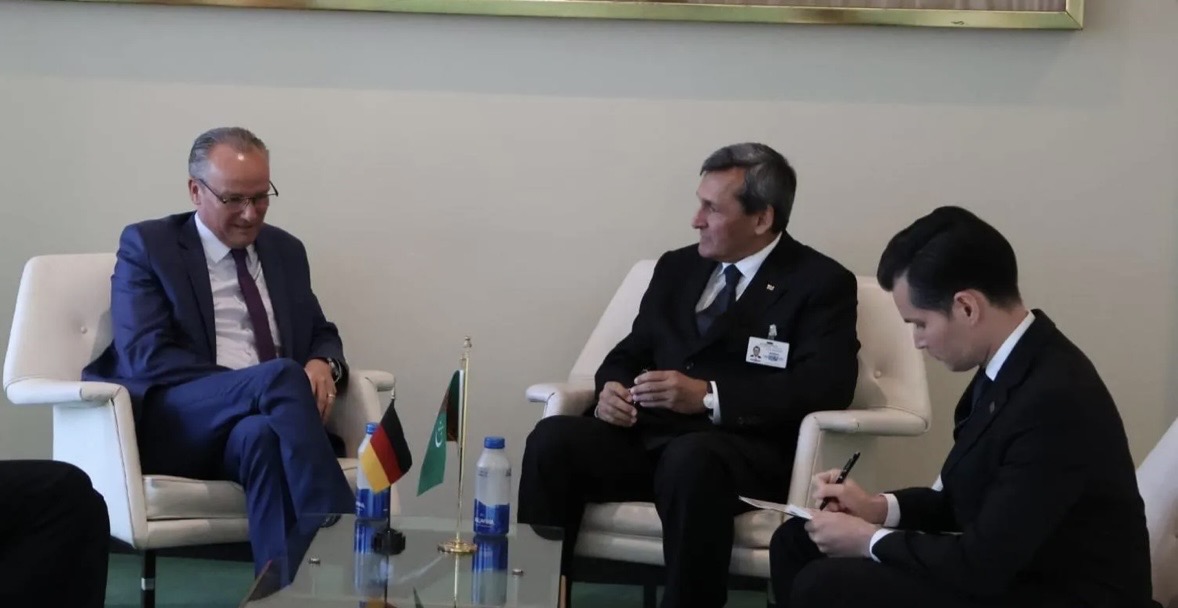
Foreign Ministers of Turkmenistan and Germany Convene to Advance Bilateral Partnership in New York
28 May. 11:31On the sidelines of the high-level sessions of the United Nations, a bilateral meeting was structuralized between the Minister of Foreign Affairs of Turkmenistan, Rashid Meredov, and the Minister of State for Europe at the Federal Foreign Office of Germany, Günter Krichbaum. The senior diplomats executed a comprehensive review of the current geopolitical status of individual state-to-state matrices, focusing on practical implementation tracks across political, trade, and economic dimensions. Both representatives affirmed that institutionalizing a continuous consulting structure between the respective ministries serves as a fundamental catalyst for broader geopolitical progress.
Multilateral synergy within international institutions, specifically the United Nations framework, occupied a central position during the structural conversations. The Turkmen delegation articulated the core principles recently outlined on behalf of the Group of Friends of Neutrality for Peace, Security, and Sustainable Development. The foreign office leadership reiterated Ashgabat’s strong commitment to preventive diplomacy frameworks, mediation infrastructure, and high-trust dialogue mechanisms as the most effective regulatory responses to contemporary structural crises worldwide.
On the commercial track, the leadership recognized a positive trajectory in bilateral trade volumes and confirmed an institutional appetite for expanding market ties. The long-term presence of German industrial conglomerates within the domestic Turkmen market was cited as a benchmark of mutual economic benefit, with both parties expressing a clear intent to foster operational environments conducive to new corporate investment. Future cooperation aims to target technical diversification and the integration of specialized German engineering systems into regional commercial architectures.
The cultural and humanitarian discourse encompassed systemic dimensions of human capital development, advanced education, and structural academic mobility. The counterparts expressed joint support for expanding professional knowledge-sharing pathways and fostering institutional linkages between higher education entities. Furthermore, significant emphasize was directed toward the "Central Asia – Germany" multilateral platform, which is strategically designed to function as an collaborative regional mechanism focused on stabilizing economic parameters and reinforcing sustainable security frameworks.
Also read

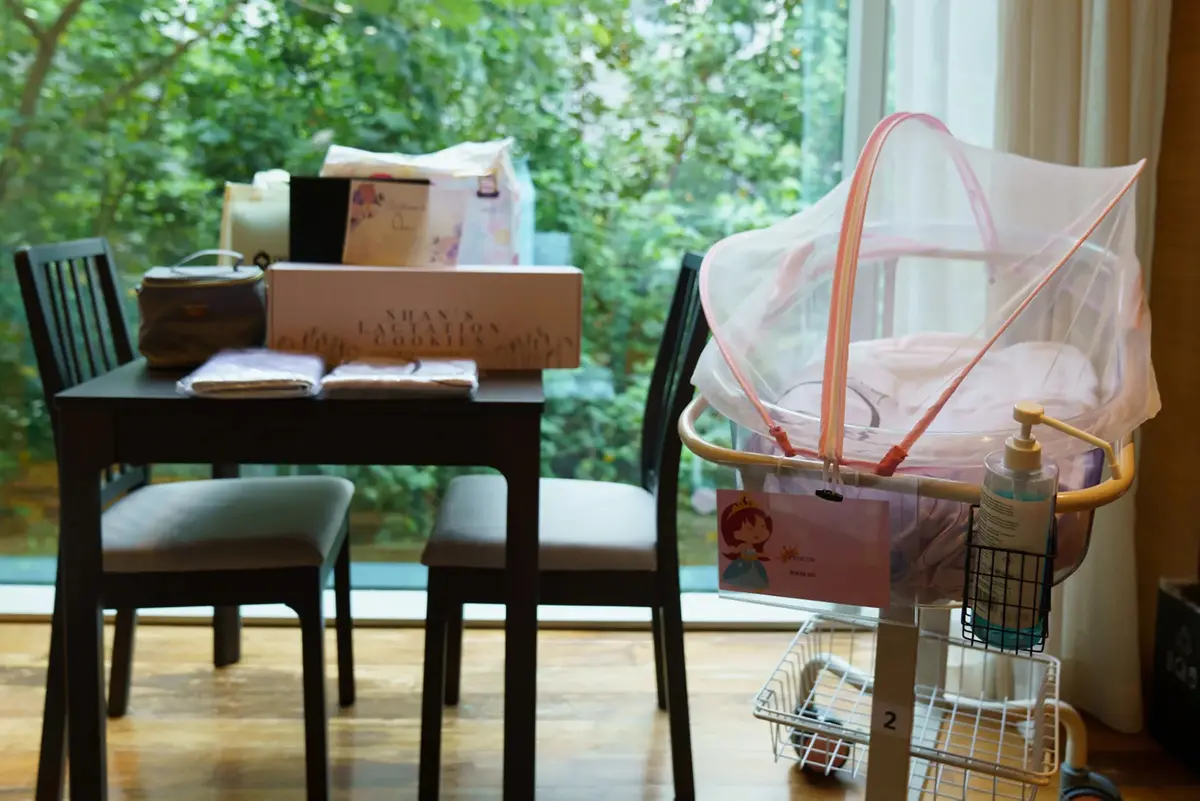
Facing a record drop in fertility rates, Singapore is significantly expanding its family support framework. According to Bloomberg, Prime Minister Lawrence Wong announced increases in direct financial assistance alongside enhanced housing benefits for young families.
Under the updated policy, every Singaporean child up to the age of 17 will be eligible to receive up to 70,000 Singapore dollars (approximately $55,000 USD) in total support, which includes cash payouts, educational grants, and related benefits. The government is also expanding paid parental leave and capping monthly out-of-pocket costs for government-subsidized childcare at 150 Singapore dollars.
These interventions aim to reverse a severe demographic decline, marked by last year's fertility rate drop to 0.87 children per woman, while over 20% of the country's population is currently aged 65 or older.
Blitz