
Playlist
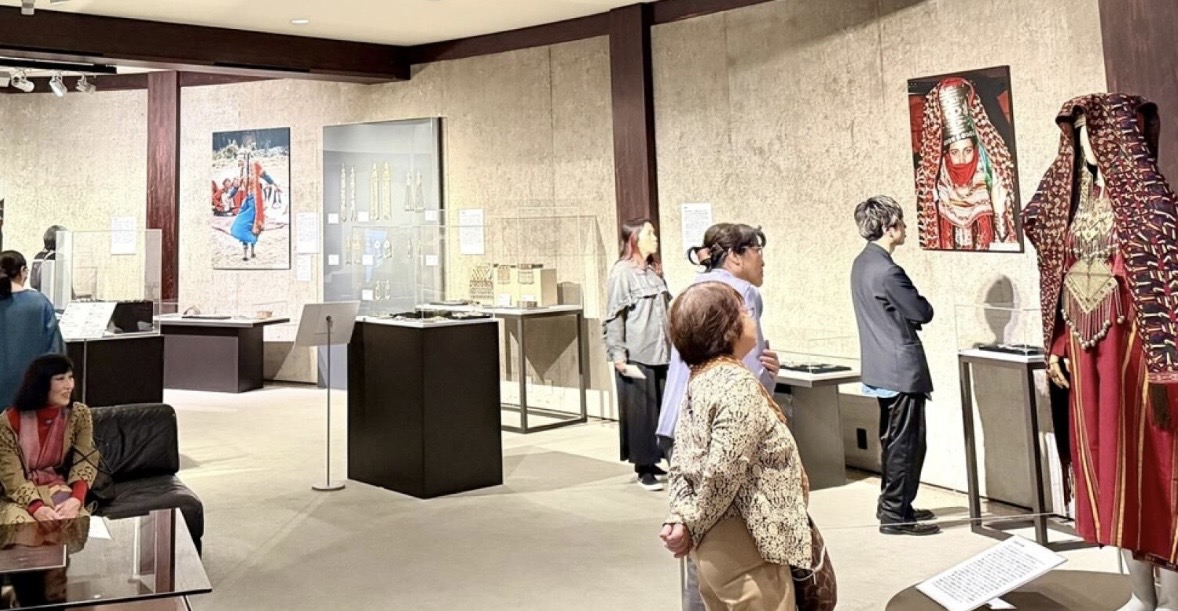
The Shoto Museum of Art in Tokyo recently inaugurated a comprehensive exhibition featuring ancient Turkmen national costumes, embroidery, and jewelry. Held under the theme "Crafts of Central Asia," the exhibition opened on April 10 and will remain accessible to the public until June 14. The event provides a rare opportunity for international audiences to experience the intricate artistry of the Turkmen people within a prestigious Japanese cultural venue.
The display features nearly 200 significant artifacts, including silver jewelry, national silk (keteni) garments, and elaborately embroidered women’s capes known as "chyrpy." These items are part of the esteemed collection of the Hiroshima Prefectural Art Museum. The primary objective of the showcase is to highlight the cultural heritage of Central Asia as a vital segment of the Great Silk Road, emphasizing the region’s enduring artistic influence.
A standout feature of the exhibition is a specialized collection of Turkmen equestrian ornaments and equipment. Curated from historical collections gathered by British equine experts, these pieces underscore the central role of the horse in Turkmen identity and craftsmanship. The highly decorative and functional nature of the harness sets reflects the deep historical bond between the Turkmen people and their world-renowned horses.
This cultural initiative is dedicated to the national year titled "Independent, Permanently Neutral Turkmenistan — Land of Prosperous Success with Winged Horses." By bringing these artifacts to Japan, the organizers aim to foster greater cultural understanding and appreciation for the artistic traditions of Turkmenistan. The exhibition stands as a testament to the country’s commitment to preserving and promoting its unique cultural identity on the global stage.
Also read



A rye-wheat loaf preserved in a freezer for 36 years has been put on public display as part of the permanent exhibition at the Deutschlandmuseum in Berlin. Dubbed "The Last Loaf of the GDR," it was originally purchased on June 26, 1990, by student Michael Hagedorn, who bought an extra loaf fearing potential food shortages amidst the economic unification of East and West Germany.
The museum's director, Robert Rückel, described the unusual artifact as a unique poignant symbol of everyday human decisions during times of monumental geopolitical change. To maintain its preserved state, the museum installed a custom refrigeration unit where the historical loaf remains permanently frozen for visitors to view.
Blitz