
Playlist
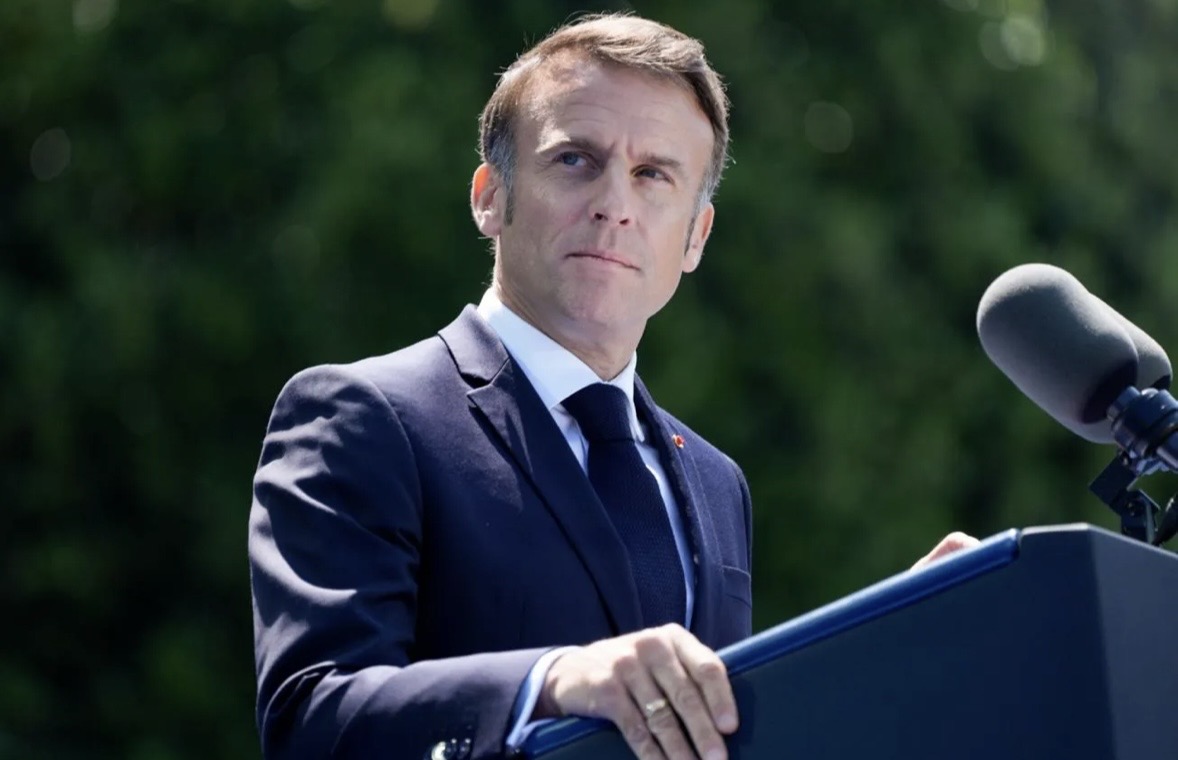
Emmanuel Macron signals intent to exit politics after presidential term ends
25 Apr. 16:32French President Emmanuel Macron has announced his intention to retire from political life following the conclusion of his current mandate. Speaking during a meeting with students at a Franco-Cypriot school in Nicosia, the head of state indicated that he does not foresee a future for himself in the political arena once his presidency concludes in 2027. His remarks have been widely covered by major news outlets as a definitive statement on his future career path.
Reflecting on his trajectory, Macron noted that he had not been involved in traditional politics before founding his own party and pursuing the presidency to implement rapid changes. He emphasized that his involvement in state governance was a specific mission rather than a lifelong vocation. Prominent French media organizations, including RTL and Le Parisien, have interpreted his comments as a clear signal that he will pursue private interests after leaving office.
Under the French Constitution, a president is limited to serving two consecutive terms. Consequently, Macron is legally barred from seeking re-election in the upcoming 2027 cycle. The next presidential elections are expected to take place in April 2027, shortly before the official end of his second term in May. This constitutional boundary ensures a transition of power and the emergence of new leadership in French politics.
Political analysts suggest that Macron’s planned departure will trigger a significant shift in the country's political landscape. As the incumbent prepares to step down, both allied and opposition factions are expected to intensify their efforts to secure influence in the post-Macron era. His exit marks the anticipated conclusion of a transformative period in French and European governance, setting the stage for a new chapter in the republic's history.
Also read

A rye-wheat loaf preserved in a freezer for 36 years has been put on public display as part of the permanent exhibition at the Deutschlandmuseum in Berlin. Dubbed "The Last Loaf of the GDR," it was originally purchased on June 26, 1990, by student Michael Hagedorn, who bought an extra loaf fearing potential food shortages amidst the economic unification of East and West Germany.
The museum's director, Robert Rückel, described the unusual artifact as a unique poignant symbol of everyday human decisions during times of monumental geopolitical change. To maintain its preserved state, the museum installed a custom refrigeration unit where the historical loaf remains permanently frozen for visitors to view.
Blitz