
Playlist
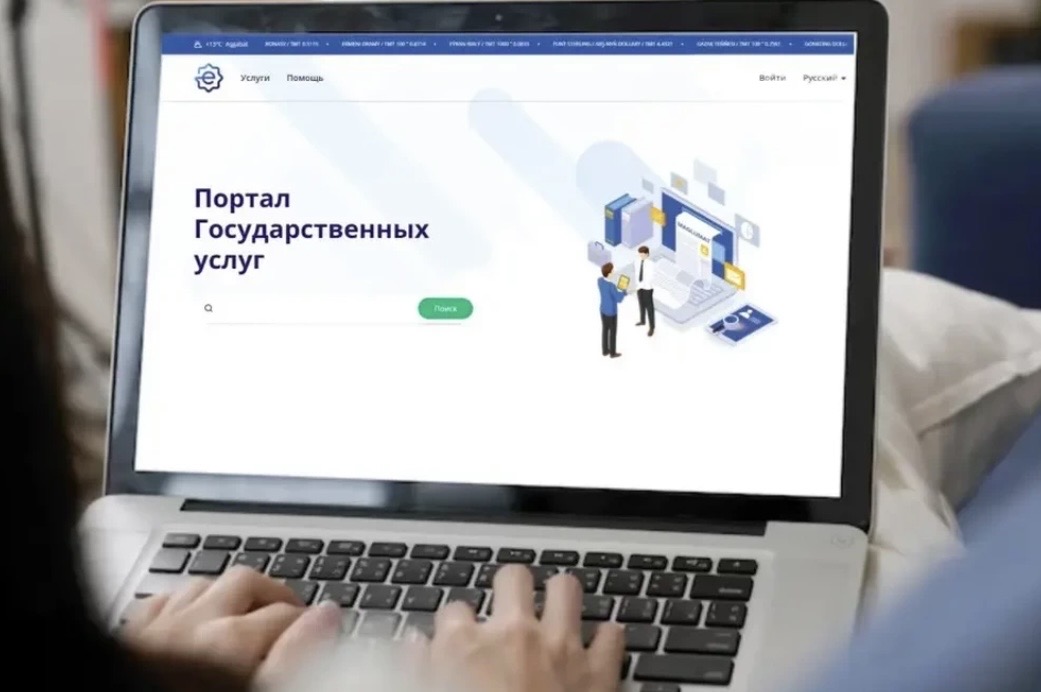
Effortless Utility Bill Payments: Turkmenistan’s "e.gov.tm" Portal Launches One-Click Online Payment System
24 Jun. 08:20The State Services Portal of Turkmenistan ("e.gov.tm") has launched a comprehensive digital service that enables residents across the country to clear all communal and utility housing bills remotely online. This structural upgrade effectively eliminates the need for citizens to commute to payment centers or wait in long bank queues. The newly streamlined e-payment service operates 24/7, offering an efficient, secure, and time-saving mechanism for household financial management.
The updated digital platform covers all primary categories of municipal and residential utility expenses, including:
Electricity and natural gas consumption;
Water supply and sanitation services;
Central heating and standard rent/housing fees;
Residential building maintenance operations;
Domestic waste management and disposal fees.
The payment protocol is executed via a secure personal account on the portal where the user simply selects the specific service provider, inputs account details, and authorizes the transaction using a domestic bank card. A major advantage of this digital ecosystem is its transaction transparency; all electronic receipts are systematically archived within the user's profile, allowing families to easily track their payment history and prevent balance deficits.
Also read



On-the-Go Power: Japanese Engineers Develop Wireless In-Road Charging for Electric Vehicles
10 Oct. 08:10In a major leap for electric mobility, Honda R&D, alongside Taisei Corporation and Taisei Rotec, has unveiled an innovative dynamic wireless charging system that charges electric vehicles as they drive. By embedding compact energy-transmitting modules directly into the road surface, the system transfers power via a magnetic field to receivers mounted underneath moving vehicles. Designed to withstand heavy commercial transport up to 20 tons, real-world road testing is scheduled to begin in Japan in April 2027.
The technology eliminates the need for full road reconstruction, as modules can be integrated directly into milled asphalt layers. Aimed at boosting charging power up to 150 kW in future iterations, this infrastructure solution promise to significantly reduce grid pressure on traditional charging stations, particularly for logistics and commercial fleets.
Blitz