
Playlist
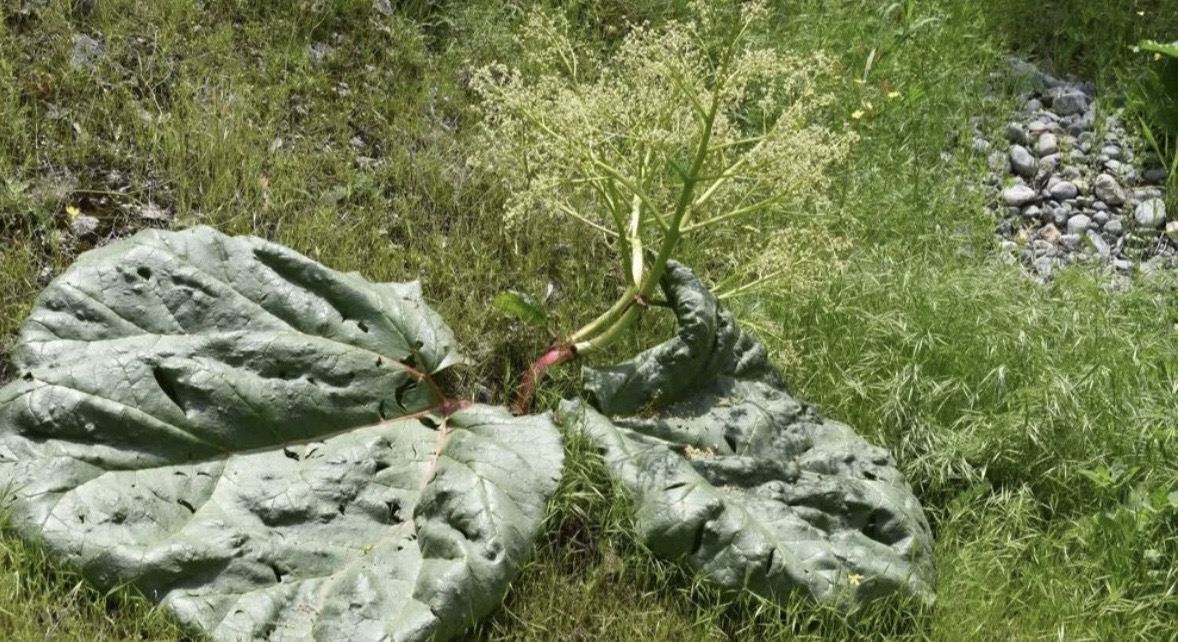
Ecologists Record Unprecedented Leaf Growth in Medicinal Rhubarb Within Mountain Reserve
19 May. 08:55During routine spring botanical surveys executed by state environmental researchers, an extraordinary vegetative development was documented in the regional foothill ecosystems. Field botanists discovered mature specimens of wild medicinal rhubarb displaying expansive leaf structures measuring well over 80 centimeters in diameter. Environmental analysts attribute this accelerated growth cycle to the highly favorable hydrological and atmospheric conditions of the 2026 season, which catalyzed structural plant development.
Taxonomical records indicate that four distinct indigenous species of this perennial herb are distributed across the nation's diverse topography, spanning mountainous terrains, arid valleys, and desert sectors. The operational data regarding the plant's seasonal life cycles and ecological adaptations are methodically integrated into the annual Chronicles of Nature. This institutional archiving assists scientists in evaluating biomass stability and implementing structured conservation frameworks.
In clinical pharmacology and ethnobotany, rhubarb maintains a high institutional ranking, recognized as the fifth most effective therapeutic herb due to its rich chemical composition. The extracted organic compounds are widely integrated into corporate pharmaceutical production for treating gastrointestinal disorders, respiratory ailments, and chronic inflammatory conditions. Preserving the natural habitats of these wild clusters remains central to the state's comprehensive biodiversity and resource management agenda.
Also read




Simple Vitamin Shows Surprising Results in Pre-Cancerous Blood Conditions, Study Finds
Today in 02:02Daily high-dose supplementation of vitamin C can significantly reduce mortality risks and help prevent severe medical complications in patients with pre-cancerous blood conditions. Researchers from the Van Andel Institute in the United States and Copenhagen University Hospital in Denmark reached this conclusion following a comprehensive three-year follow-up study. The international "EVITA" trial involved volunteers who were administered 1,000 mg of vitamin C daily over the course of a year, while a control group received a placebo.
Although initial hypotheses suggested vitamin C might directly inhibit abnormal cell proliferation, researchers found its primary benefit lay in strengthening the body, reducing systemic inflammation, and lowering rates of anemia, pneumonia, and internal bleeding. Over the three-year observation period, the vitamin C group exhibited a significantly higher survival rate compared to the placebo group. While experts emphasize that these findings remain preliminary and require larger clinical trials before reshaping formal medical treatment protocols, vitamin C continues to show promising potential in supportive patient care.
Blitz