
Playlist

The Central Asian Security Forum is set to convene in Dushanbe on April 30, 2026, bringing together top policymakers and researchers to address regional stability. Organized by the Center for Strategic Research under the President of Tajikistan, the event aims to tackle the evolving geopolitical landscape of the region. This strategic gathering was reported by the national news agency, Khovar.tj.
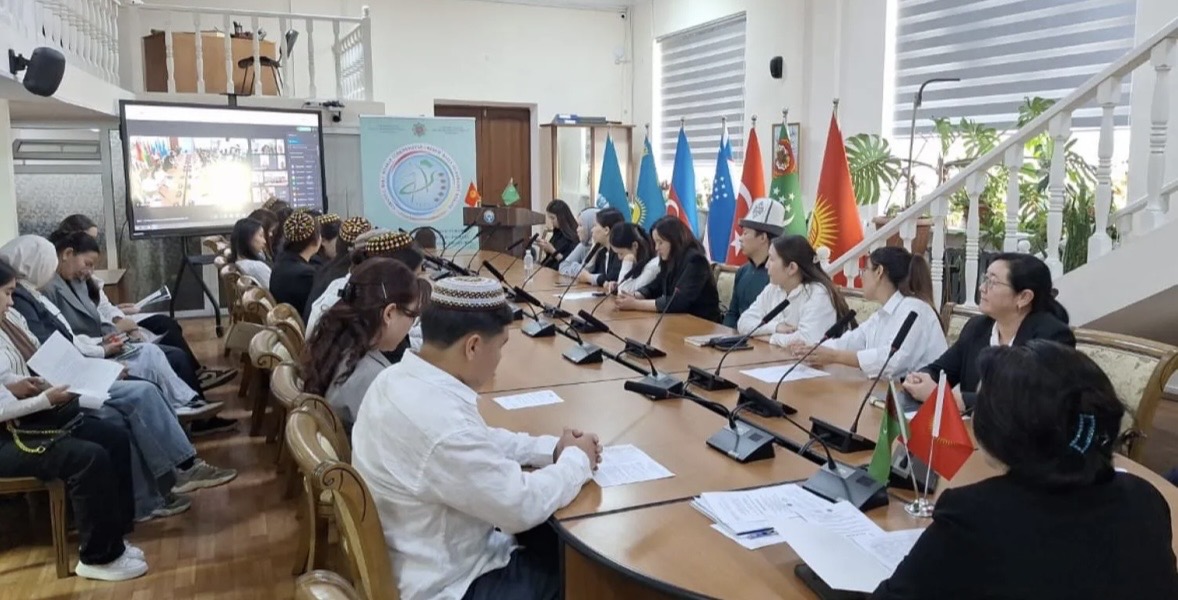
The forum will see high-level participation from strategic research institutes in Turkmenistan, Kazakhstan, Kyrgyzstan, and Uzbekistan. In addition to academic and policy experts, representatives from various Tajik ministries and security agencies will join the discussions. This diverse assembly of specialists is expected to provide a multi-dimensional analysis of the security challenges facing Central Asian nations today.
The comprehensive agenda features plenary sessions and round-table discussions designed to foster a rigorous exchange of ideas. Key topics of focus include the identification of emerging threats, regional risk assessment, and the analysis of interregional trends that impact local stability. Experts will evaluate both the vulnerabilities and the strategic opportunities available for enhancing regional resilience.
According to the organizers, the primary objective of the forum is to reinforce the strategic dialogue and synchronize security efforts among neighboring states. By building a robust framework for cooperation, the event seeks to streamline communication between regional governments. Ultimately, the forum serves as a vital platform for ensuring long-term peace and sustainable development across Central Asia.
Also read


Simple Vitamin Shows Surprising Results in Pre-Cancerous Blood Conditions, Study Finds
Today in 02:02Daily high-dose supplementation of vitamin C can significantly reduce mortality risks and help prevent severe medical complications in patients with pre-cancerous blood conditions. Researchers from the Van Andel Institute in the United States and Copenhagen University Hospital in Denmark reached this conclusion following a comprehensive three-year follow-up study. The international "EVITA" trial involved volunteers who were administered 1,000 mg of vitamin C daily over the course of a year, while a control group received a placebo.
Although initial hypotheses suggested vitamin C might directly inhibit abnormal cell proliferation, researchers found its primary benefit lay in strengthening the body, reducing systemic inflammation, and lowering rates of anemia, pneumonia, and internal bleeding. Over the three-year observation period, the vitamin C group exhibited a significantly higher survival rate compared to the placebo group. While experts emphasize that these findings remain preliminary and require larger clinical trials before reshaping formal medical treatment protocols, vitamin C continues to show promising potential in supportive patient care.
Blitz