
Playlist

Concept for Developing the Intellectual Property System of Turkmenistan for 2026–2052 Approved
27 Mar. 17:40President Serdar Berdimuhamedov has officially signed a Decree to enhance the significance of intellectual property in the innovative and economic development of the country. According to the "Watan" news program, the "Concept for Developing the Intellectual Property System of Turkmenistan for 2026–2052" and the accompanying Action Plan for its implementation from 2026 to 2030 have been approved. This long-term strategy marks a pivotal step in securing the nation's creative and scientific output for the coming decades.
The primary objective of this Concept is to align the national legal framework for intellectual property with international standards and ensure the effective protection of copyright and patent rights. By establishing a robust legal environment, the government aims to encourage inventors, researchers, and artists to produce original works, knowing their intellectual efforts are legally protected. This shift is essential for fostering a culture of innovation that can compete on a global scale.
The Ministry of Finance and Economy, along with relevant ministries and sectoral departments, has been tasked with executing the specific measures outlined for the initial five-year period (2026–2030). These measures include streamlining the registration process for intellectual assets through digital platforms and enhancing public awareness regarding the value of intellectual property. Furthermore, Turkmenistan plans to expand its cooperation with international bodies like the World Intellectual Property Organization (WIPO) to integrate best global practices.
Approving this strategic vision until 2052 demonstrates Turkmenistan's commitment to building a "knowledge-based economy." A secure intellectual property system is a key factor in attracting foreign investment and encouraging the transfer of advanced technologies. By prioritizing the protection of ideas and innovations, the country is laying the foundation for sustainable economic growth and technological independence, ensuring that the achievements of its citizens are recognized and protected worldwide.


Solar Mini-Grids to Power Remote Communities Across Turkmenistan Under New Four-Million-Dollar UNDP Initiative
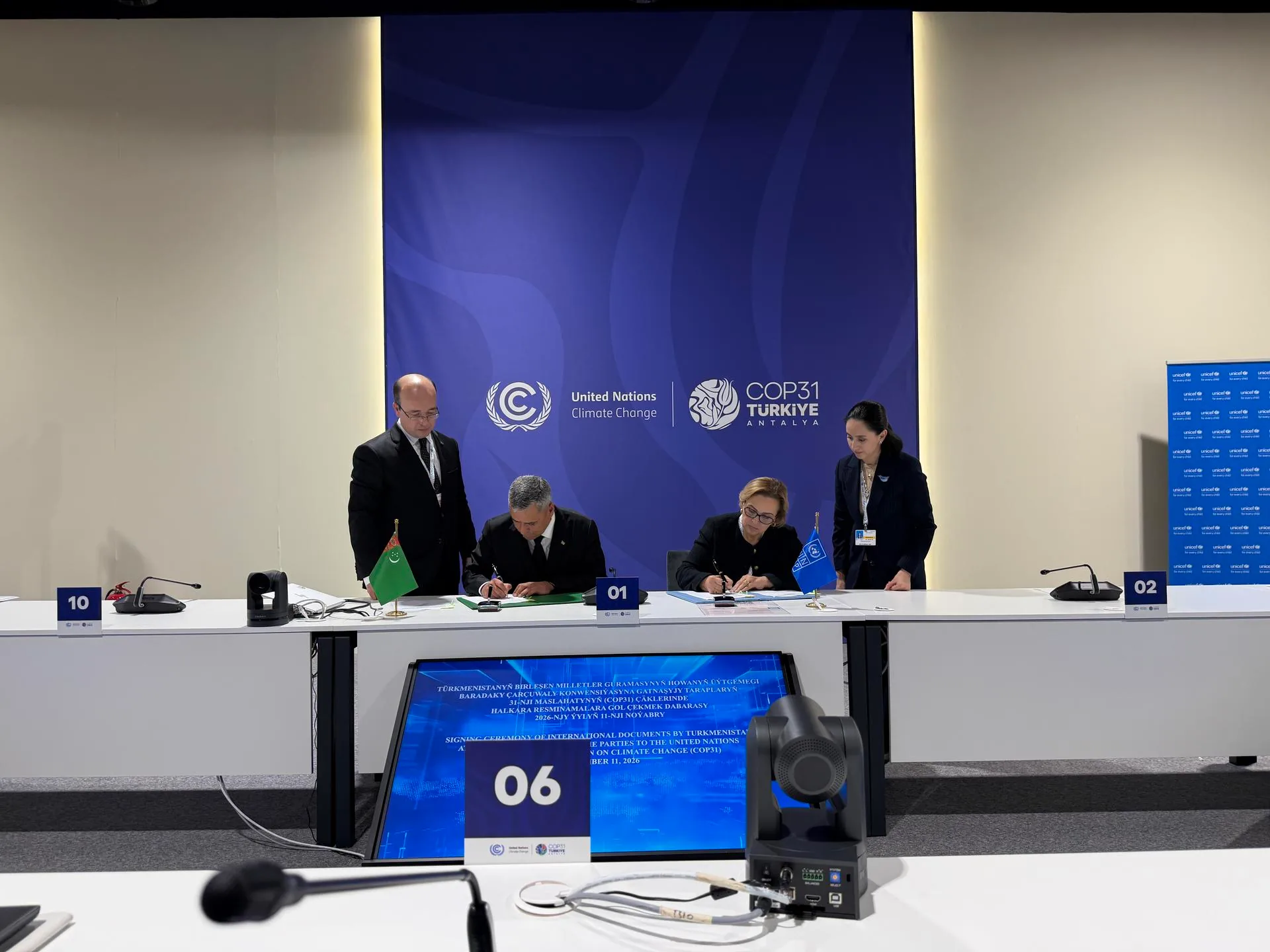
13 Nov. 14:30Following the landmark climate agreements signed on the sidelines of the COP31 conference in Antalya, the United Nations Development Programme (UNDP) has unveiled comprehensive details regarding its upcoming clean energy partnership with the Government of Turkmenistan. Backed by a Global Environment Facility (GEF) grant exceeding 4.17 million US dollars, the five-year project titled "Supporting Energy Transition for Remote Settlements of Turkmenistan" will be executed by the United Nations Office for Project Services (UNOPS) in close coordination with Turkmenistan's Ministry of Environmental Protection and Ministry of Energy.
A central pillar of the initiative involves installing and commissioning up to ten pilot solar mini-power plants with a combined capacity of up to 2 MW in isolated communities that currently rely heavily on diesel generators for electricity. These demonstration facilities will showcase the viability of solar power across Turkmenistan's remote regions and establish a blueprint for broader clean energy adoption. Building upon the operational experience gained from these initial sites, experts will conduct feasibility assessments and prepare tailored technical solutions for potentially deploying solar energy systems in an additional 120 remote settlements.
Beyond physical infrastructure, the project focuses on strengthening the regulatory and institutional framework for renewable energy, training local specialists, and expanding domestic technical expertise. UNDP Resident Representative in Turkmenistan Narine Sahakyan noted that expanding access to reliable, clean electricity significantly enhances community resilience and human well-being—particularly for women and vulnerable groups—by translating national ambitions into tangible investments. The program directly supports Turkmenistan's National Strategy for the Development of Renewable Energy through 2030, advancing the country's commitments under the Paris Agreement and the United Nations Sustainable Development Goals.
Blitz