
Playlist

At the second meeting of Heads of Government and Vice Presidents of the Organization of Turkic States (OTS) in Baku, Turkmenistan reaffirmed its stance on developing stable and diversified international energy corridors. Deputy Chairman of the Cabinet of Ministers Nökerguly Atagulyýew emphasized the nation's commitment to ensuring the reliable supply of energy resources to global markets. This approach is central to Turkmenistan's strategy for fostering regional integration and economic resilience among Turkic nations.
The core of Turkmenistan's energy policy is a balanced principle that respects the interests of producers, transit countries, and end consumers. Atagulyýew noted that prioritizing joint infrastructure projects and creating interconnected energy markets are essential for long-term regional security. By aligning these interests, the OTS member states can build a more robust framework for energy independence and sustainable growth across the Caspian and Central Asian regions.
Turkmenistan is already actively collaborating with several Turkic states in the natural gas and power engineering sectors and is prepared to expand these partnerships further. The Deputy Prime Minister highlighted that ongoing and future joint projects serve as a catalyst for strengthening economic ties and ensuring energy security at a regional level. The country remains open to exploring new transit routes and technological collaborations within the OTS framework.
Participation in the Baku summit underscores Turkmenistan's role as a proactive contributor to the Turkic world's collective energy strategy. The promotion of diverse supply routes not only benefits the participating nations' economies but also enhances global energy stability. Turkmenistan continues to advocate for a transparent and equitable international energy market, driven by mutual benefit and long-term strategic cooperation.
Also read



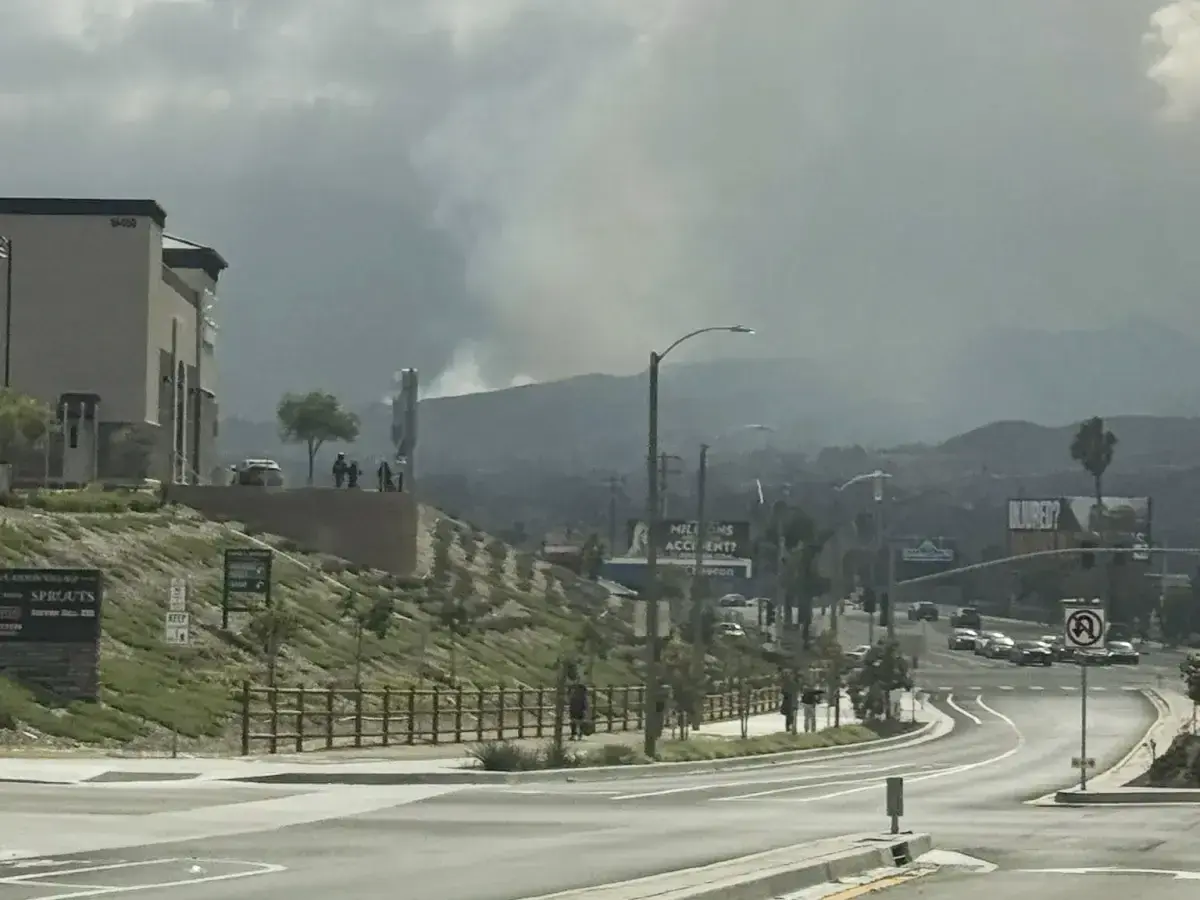
Wildfire Threat in California: Emergency Evacuations Ordered Near Los Angeles
Today in 09:33A fast-moving wildfire named "Bike" broke out near the city of Santa Clarita, just outside Los Angeles, California. Covering over 70 hectares in a short span, the blaze prompted emergency evacuation orders across eight local sectors. A temporary shelter has been established for displaced residents at the College of the Canyons in Santa Clarita while authorities investigate the cause of the fire.
Blitz