
Playlist
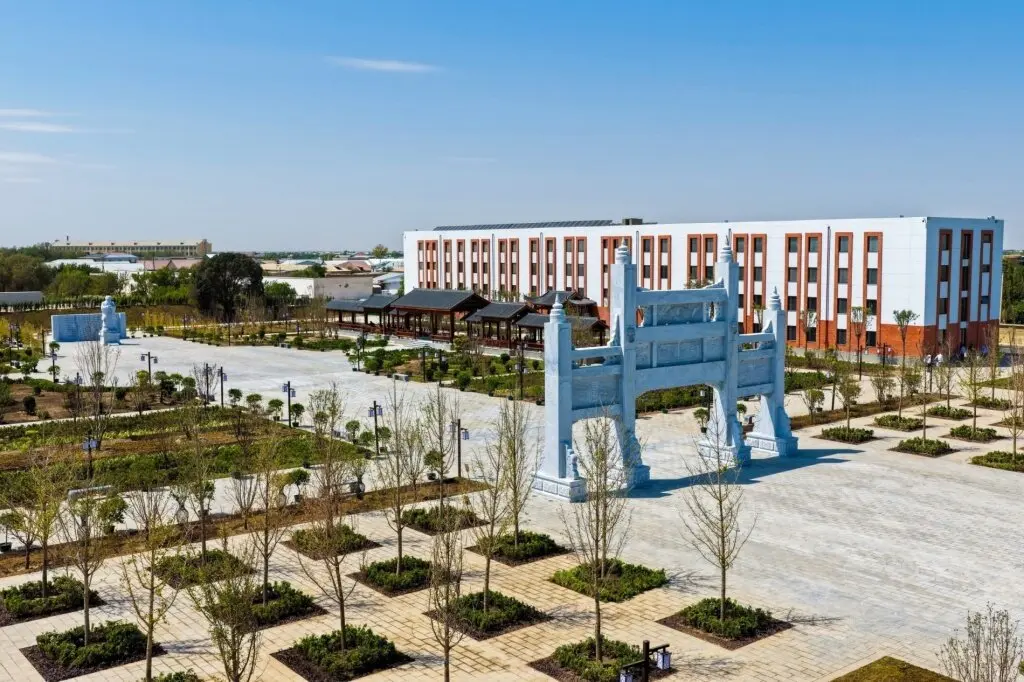
Chinese Liaoning Normal University to Open New Campus in Khiva
09 Oct. 12:36A new branch of China’s Liaoning Normal University is set to open in Khiva as a joint initiative between the Ministry of Higher Education, Science and Innovation of Uzbekistan and Urgench State University. Under the project guidelines, all students admitted up to the 2030/2031 academic year will study free of charge on full state grants. Instruction will be conducted in Uzbek, Chinese, and English, with artificial intelligence courses integrated into the curriculum starting in 2027.
The autonomous university branch will also partner with vocational technical colleges across the Khorezm region to introduce Chinese educational methodologies in tourism and IT. Graduates will receive diplomas recognized in both Uzbekistan and China, while local teaching staff will benefit from an elevated salary scale with a 1.5 multiplier coefficient.
Also read

Number of New International Students in the US Drops by 15%
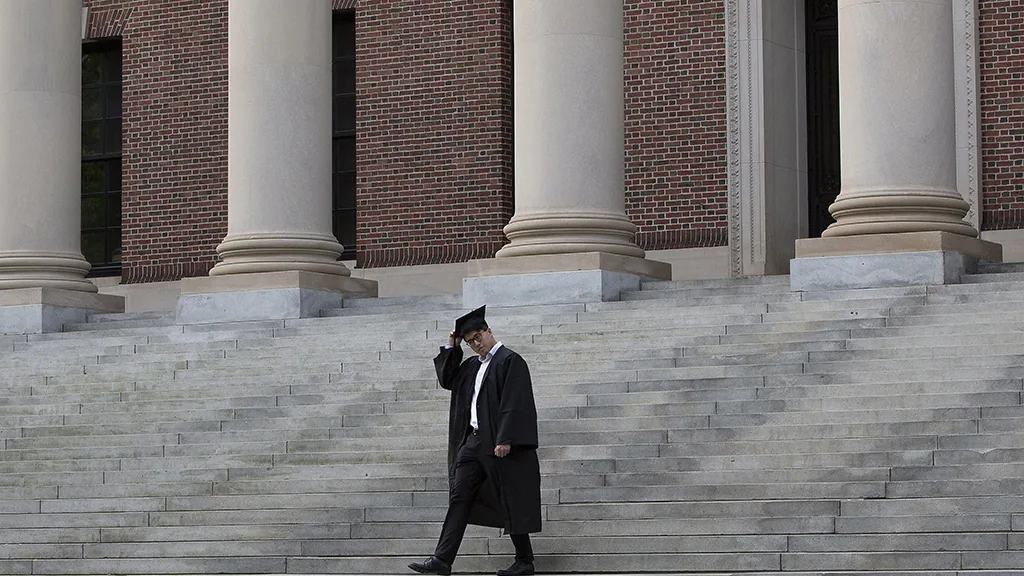
17 Nov. 17:00During the fall 2026 semester, the number of new international students enrolled in American educational institutions declined by 15% compared to the same period last year, according to CNBC. Over the entirety of the 2025–2026 academic year, the total population of international students in the United States dropped by more than 17%, with the steepest declines observed among students hailing from India and China.
Colleges surveyed by the publication attribute this downward trend to tighter US immigration policies and recent modifications governing student visa validity periods.
Data from NAFSA: Association of International Educators shows that international students contributed nearly $40 billion to the US economy during the 2025–2026 academic year. The drop in enrollment is projected to trigger financial losses of approximately $2.4 billion this academic year.
Fitch Ratings notes that shifts in visa regulations will primarily impact the financial stability of American colleges and universities. International enrollees typically pay full tuition or receive far less financial aid than domestic students. The consequences could prove especially severe for institutions heavily reliant on large master's programs and STEM (science, technology, engineering, and math) courses, which attract 57% of all international students.
Blitz