
Playlist
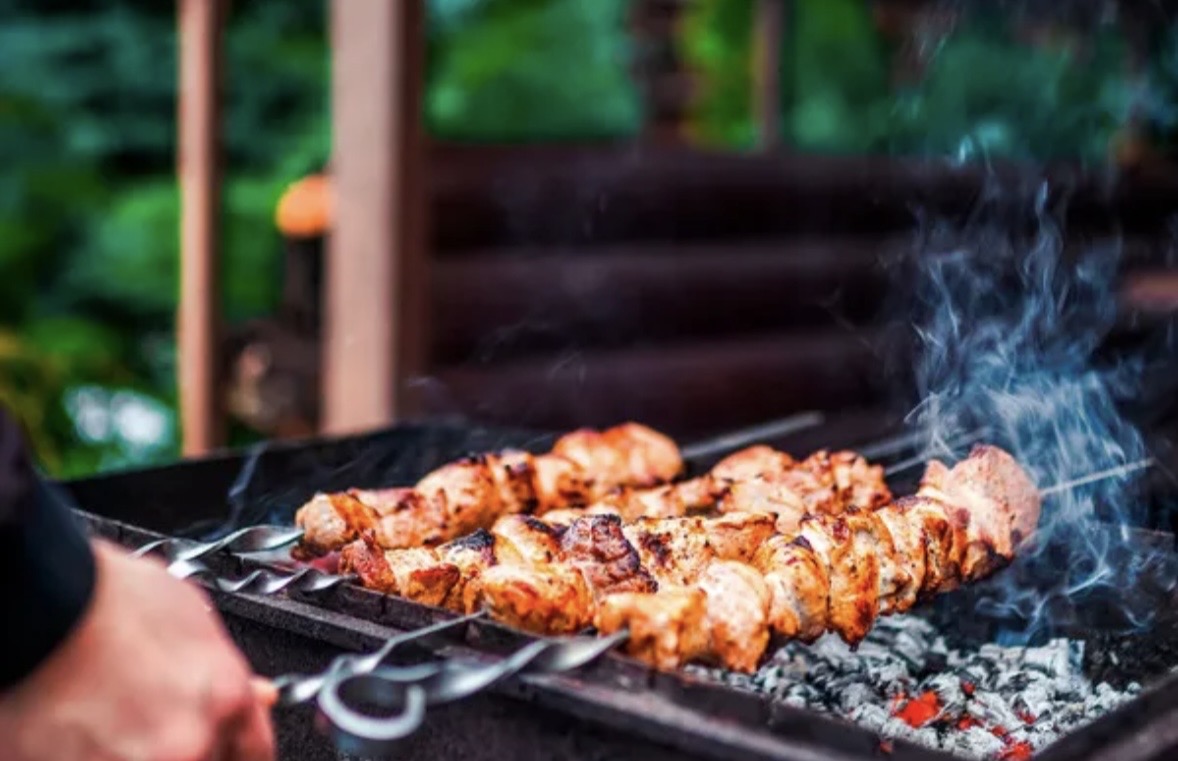
A pioneering educational institution dedicated to the craft of charcoal-grilled cuisine has officially opened its doors in the Chinese city of Yueyang. Established through a partnership between Yueyang Open University and the local Barbecue Association, this initiative marks the nation's first academic program focused exclusively on the BBQ industry. The school aims to professionalize the sector by providing rigorous training in traditional and modern grilling techniques.
The regional government has integrated this culinary specialty into its broader economic development strategy, as Yueyang is home to over 2,000 barbecue establishments. These businesses generate a staggering combined daily revenue of 291 million dollars and provide employment for approximately 50,000 residents. By establishing a formal university, the city seeks to bolster its reputation as a premier gastronomic destination while ensuring high standards of food quality and service.
The comprehensive curriculum spans a three-year period, with instruction provided by a faculty of more than 30 veteran master chefs. Students learn every aspect of the trade, from ingredient selection and coal management to hospitality and business operations. Dean Hu Juan reported that interest in the program has been overwhelming, with enrollment inquiries far exceeding initial expectations for the inaugural academic year.
Graduates of the program will be awarded more than just a standard diploma; they will receive government-recognized professional certifications to validate their expertise. This credential is expected to significantly enhance their career prospects within China’s competitive food and beverage market. Through this innovative educational model, Yueyang is setting a new benchmark for preserving traditional culinary arts while driving modern industrial growth.

A rye-wheat loaf preserved in a freezer for 36 years has been put on public display as part of the permanent exhibition at the Deutschlandmuseum in Berlin. Dubbed "The Last Loaf of the GDR," it was originally purchased on June 26, 1990, by student Michael Hagedorn, who bought an extra loaf fearing potential food shortages amidst the economic unification of East and West Germany.
The museum's director, Robert Rückel, described the unusual artifact as a unique poignant symbol of everyday human decisions during times of monumental geopolitical change. To maintain its preserved state, the museum installed a custom refrigeration unit where the historical loaf remains permanently frozen for visitors to view.
Blitz