
Playlist
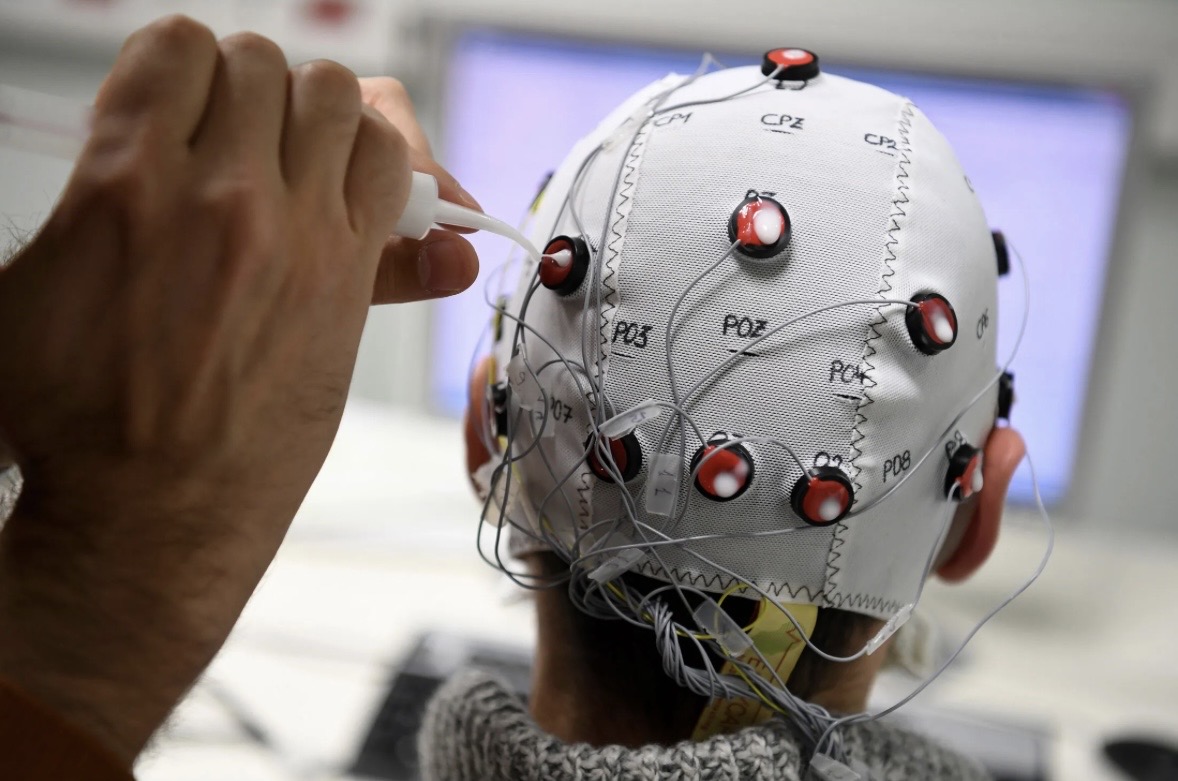
Chinese authorities have granted commercial approval for the first invasive brain-computer interface (BCI) developed by "Neuracle Technology (Shanghai)." The National Medical Products Administration of China (NMPA) officially certified the device for market release, a move reported by "Bloomberg" that marks a significant milestone in medical technology. This breakthrough allows for the integration of brain implants into standard clinical practice for restoring motor functions in severely disabled individuals.
The implant is specifically designed for adult patients who have experienced partial paralysis due to spinal cord injuries. During extensive clinical trials, the system helped participants significantly improve their ability to grasp and hold objects using their hands. By translating neural signals directly into action, the technology offers a revolutionary way to bypass damaged nervous pathways and restore a degree of physical autonomy to those who had lost it.
The system is a comprehensive suite that includes the brain implant, specialized sensors, a robotic glove, surgical instruments, and sophisticated signal-decoding algorithms. These components work together to interpret brain activity through advanced medical software and convert it into mechanical movement. To date, the technology has been successfully tested on 36 volunteers, showing consistent performance and promising safety profiles for long-term use.
This regulatory approval aligns with Beijing’s broader strategy to prioritize neurointerfaces as one of the "industries of the future." Chinese startups are now accelerating their efforts to compete with global leaders like Elon Musk’s "Neuralink." As investments in the field surge worldwide—exemplified by companies like "Science Corp." in the US securing $230 million in funding—China's latest move reinforces its position at the forefront of the global race to develop life-changing bionic technologies.




Seismic First: Scientists Officially Confirm Natural Earthquakes in Lithuania
10 Oct. 10:55The Geological Survey of Lithuania, supported by seismologists from the University of Helsinki, has officially confirmed the occurrence of natural tectonic earthquakes within the country’s borders for the first time. The seismic events, measuring 2.4 and 2.7 on the magnitude scale, occurred in western Lithuania near the Gargždai fault zone in December 2025. Furthermore, updated analysis of international seismic data allowed experts to reclassify a previously ambiguous 2015 tremor as a natural earthquake rather than human-induced activity.
Although the low-intensity quakes caused no structural damage or casualties, they mark the first instrumentally verified natural tectonic events recorded in modern Lithuanian history.
Blitz