
Playlist

The 17th session of the Conference of the Parties to the UN Convention to Combat Desertification (COP17) is currently underway in Ulaanbaatar, Mongolia. Bringing together delegations from 197 countries, alongside scientists and environmental experts, Central Asian states introduced joint regional frameworks aimed at restoring degraded lands and securing international finance.
During the proceedings, delegates emphasized that global efforts to combat land degradation face an annual financing gap of approximately $278 billion. To address this shortfall, Tajikistan proposed leveraging innovative financial mechanisms, such as green bonds and debt-for-nature swaps, while highlighting the critical importance of preserving mountain glaciers and freshwater ecosystems.
Other regional representatives outlined target strategies for environmental protection. Turkmenistan detailed practical measures for stabilizing shifting sands, while Kazakhstan put forward the "Green Shield of Central Asia" initiative to establish protective forest belts. Meanwhile, Kyrgyzstan proposed creating a regional center for soil monitoring, and Uzbekistan advocated for the Samarkand Climate Dialogue alongside the "Green Aral" program.
The COP17 event serves as a major international platform for formulating coordinated responses to climate-induced land degradation. The proceedings of the summit will conclude on August 28.

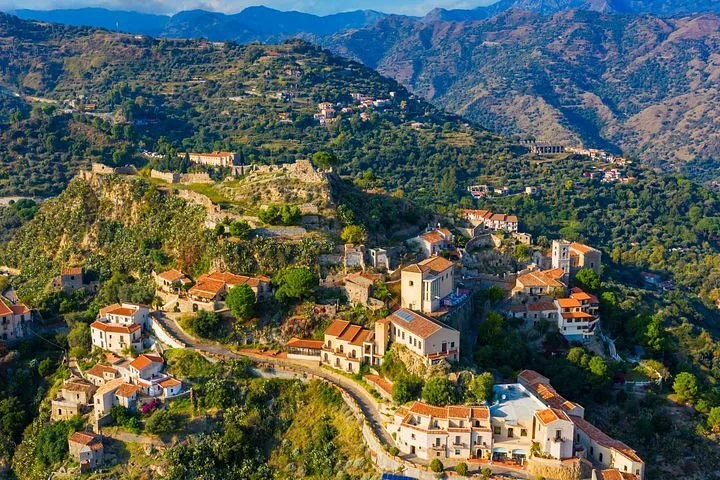
Italy’s Calabria Region Offers 50 Free Renovated Homes to New Residents
18 Nov. 16:44Regional authorities in southern Italy’s Calabria have launched a new initiative titled "La Calabria ti regala la casa" (Calabria Gifts You a Home) to attract newcomers and curb population decline. Under the scheme, 50 properties located across 26 small towns and villages with fewer than 5,000 inhabitants will be handed over rent-free for up to ten years. Unlike Italy's well-known "one-euro home" programs that require buyers to fund costly restorations themselves, the Calabrian government has allocated €20 million to cover all renovation expenses.
Recipients do not gain legal ownership of the properties, which are instead provided under a ten-year free-use agreement, with post-decade terms still yet to be finalized. Eligibility is open to adults over 18 who have lived outside Calabria for at least three years and are willing to relocate there permanently. Subletting the residences or listing them as tourist rentals is strictly prohibited.
The available housing stock includes apartments in historic medieval centers, garden homes, and properties overlooking the mountains. Priority during the selection process will be given to Italian expatriates returning from abroad, young families, single parents, remote workers, artisans, cultural professionals, and individuals with disabilities.
This housing drive comes in response to a sharp demographic downturn, as Calabria’s population dropped by 6.4% over the past decade—the steepest decline in Italy, contrasting sharply with Lombardy's 1.1% growth. The region has previously introduced other bold incentives, including relocation grants of up to €28,000 in 2021 and a €1,000 monthly stipend launched in 2026 for local university students to keep young talent from moving north.
Blitz