
Playlist
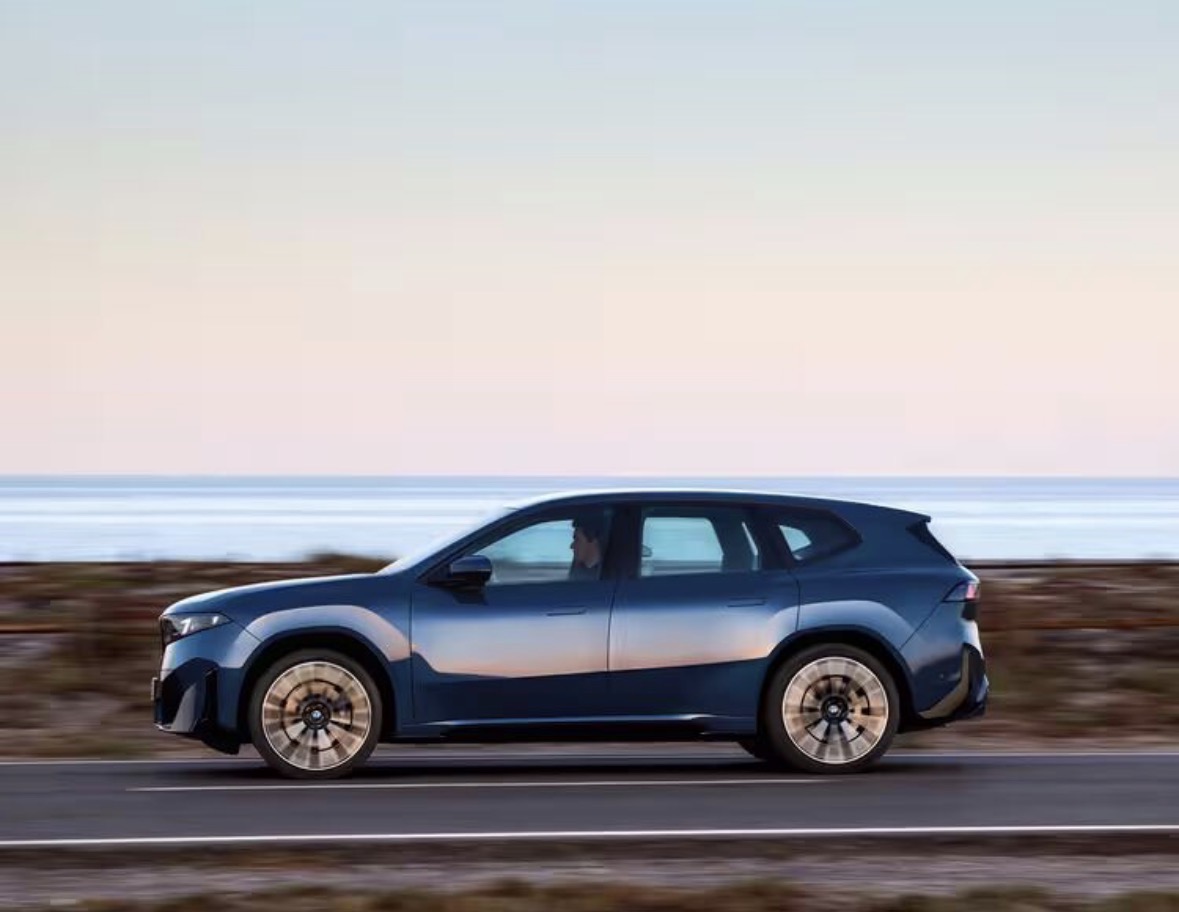
The BMW Group has officially implemented a double-shift operation at its Debrecen plant in Hungary ahead of schedule. This strategic adjustment responds to an unprecedented surge in demand for the new all-electric iX3 crossover. Current booking figures indicate that the order backlog already spans a full year, necessitating an immediate increase in manufacturing output.
Corporate leadership reports that the iX3 accounts for approximately one-third of all BMW electric vehicle orders across the European market. Once the Hungarian facility reaches its full operational capacity, it will be capable of producing up to 150,000 vehicles annually. This milestone is a critical component of the brand's broader transition toward sustainable mobility and global electrification.
While the Debrecen plant currently focuses on the standard wheelbase version, the production footprint is set to expand globally. Future plans include manufacturing dedicated versions in China for Asian markets and establishing production lines in Mexico by 2027. Additionally, the lineup will soon be diversified with both entry-level variants and high-performance editions to cater to different consumer segments.
Furthermore, BMW is preparing to unveil the new i3 electric sedan, built on the innovative "Neue Klasse" architecture. Production of this model is slated for the second half of the year at the company's main facility in Munich. To accommodate the shift, manufacturing of conventional internal combustion 3 Series models will be relocated to the Dingolfing plant, signaling a definitive focus on electric vehicle development.
Also read




On-the-Go Power: Japanese Engineers Develop Wireless In-Road Charging for Electric Vehicles
10 Oct. 08:10In a major leap for electric mobility, Honda R&D, alongside Taisei Corporation and Taisei Rotec, has unveiled an innovative dynamic wireless charging system that charges electric vehicles as they drive. By embedding compact energy-transmitting modules directly into the road surface, the system transfers power via a magnetic field to receivers mounted underneath moving vehicles. Designed to withstand heavy commercial transport up to 20 tons, real-world road testing is scheduled to begin in Japan in April 2027.
The technology eliminates the need for full road reconstruction, as modules can be integrated directly into milled asphalt layers. Aimed at boosting charging power up to 150 kW in future iterations, this infrastructure solution promise to significantly reduce grid pressure on traditional charging stations, particularly for logistics and commercial fleets.
Blitz