
Playlist

In a newly published essay, Microsoft co-founder Bill Gates advocated for implementing a specialized tax on artificial intelligence and robotics to offset potential job displacement. Gates highlighted that the current tax system inadvertently incentives companies to replace human labor with machines, as robotic equipment can be written off as capital expenditure. He suggested allocating the collected tax revenue toward retraining programs and strengthening social safety nets, while emphasizing that AI integration should remain unhindered in critical sectors like healthcare and education.
Furthermore, Gates introduced the concept of "Human Reserved" domains, drawing a parallel to nature reserves. Under this framework, specific professions—such as childcare and judicial decision-making—would be strictly reserved for human workers to protect essential social values from automation.
Simultaneously, tech leaders Mark Zuckerberg and Elon Musk shared contrasting perspectives on the future of AI. Both expressed concerns that over-regulation by governments could impede progress and weaken competitiveness against China. While Zuckerberg maintained that AI will generate new employment opportunities, Musk predicted the emergence of superintelligence within five years, forecasting a post-scarcity era by 2036 driven by robotic automation.
Also read

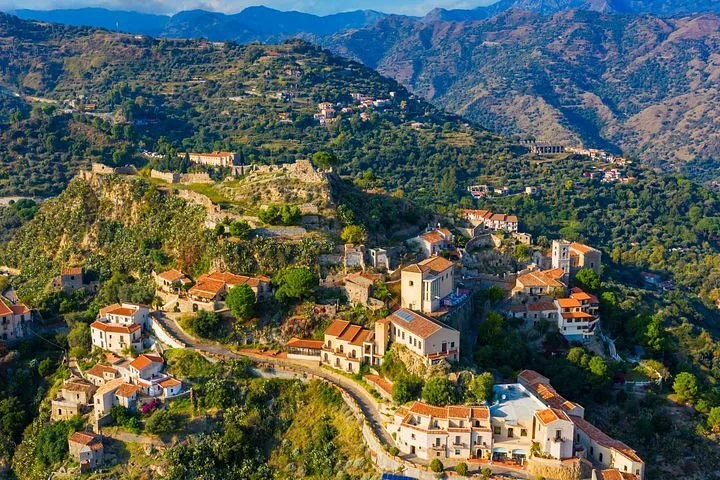
Italy’s Calabria Region Offers 50 Free Renovated Homes to New Residents
18 Nov. 16:44Regional authorities in southern Italy’s Calabria have launched a new initiative titled "La Calabria ti regala la casa" (Calabria Gifts You a Home) to attract newcomers and curb population decline. Under the scheme, 50 properties located across 26 small towns and villages with fewer than 5,000 inhabitants will be handed over rent-free for up to ten years. Unlike Italy's well-known "one-euro home" programs that require buyers to fund costly restorations themselves, the Calabrian government has allocated €20 million to cover all renovation expenses.
Recipients do not gain legal ownership of the properties, which are instead provided under a ten-year free-use agreement, with post-decade terms still yet to be finalized. Eligibility is open to adults over 18 who have lived outside Calabria for at least three years and are willing to relocate there permanently. Subletting the residences or listing them as tourist rentals is strictly prohibited.
The available housing stock includes apartments in historic medieval centers, garden homes, and properties overlooking the mountains. Priority during the selection process will be given to Italian expatriates returning from abroad, young families, single parents, remote workers, artisans, cultural professionals, and individuals with disabilities.
This housing drive comes in response to a sharp demographic downturn, as Calabria’s population dropped by 6.4% over the past decade—the steepest decline in Italy, contrasting sharply with Lombardy's 1.1% growth. The region has previously introduced other bold incentives, including relocation grants of up to €28,000 in 2021 and a €1,000 monthly stipend launched in 2026 for local university students to keep young talent from moving north.
Blitz