
Playlist
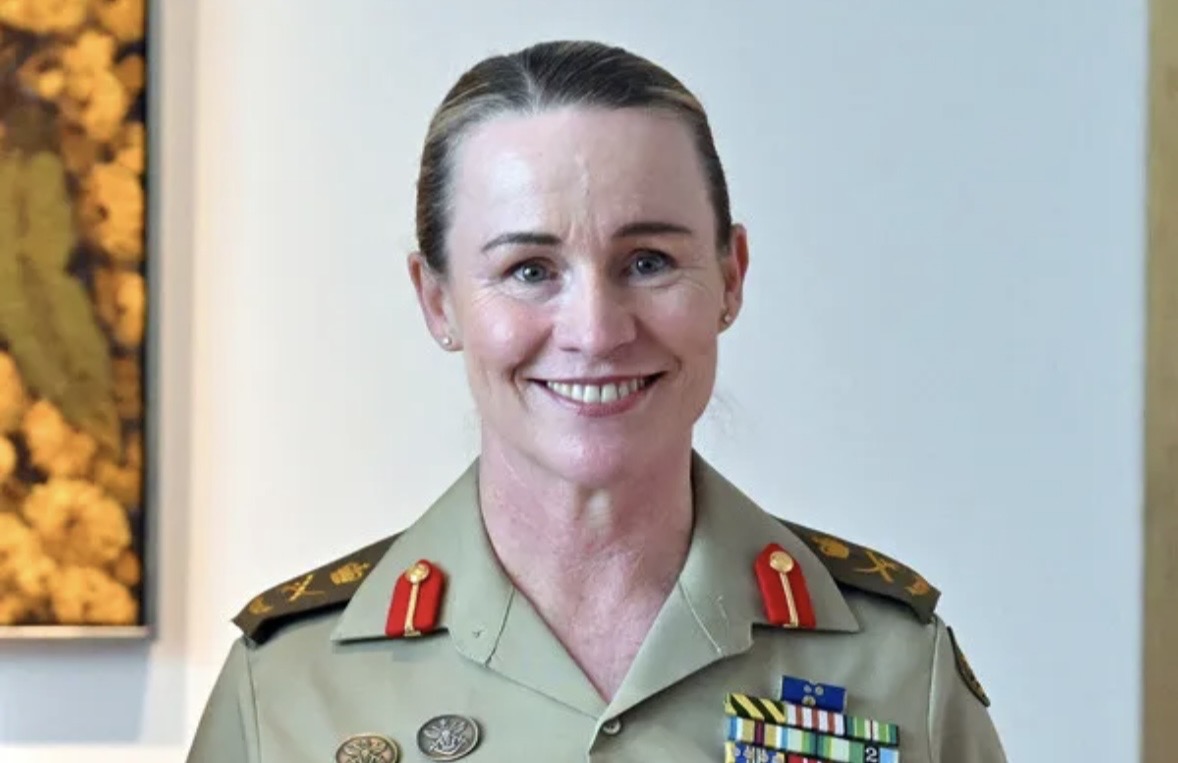
In a milestone for the Australian Defence Force, Lieutenant General Susan Coyle has been named the first female Chief of the Army. Scheduled to assume her new role in July, she will succeed Lieutenant General Simon Stuart. The Australian Ministry of Defence has hailed this appointment as a "profoundly historic moment," reflecting the evolving landscape of leadership within the nation’s military.
Lieutenant General Coyle’s career began in 1987, spanning nearly four decades of professional military service. At 55, she brings extensive operational and command experience to the position, having previously served in various high-level roles, including leadership within the Joint Staff. Her trajectory is seen as a testament to merit-based advancement and the modernization of the military hierarchy.
The appointment comes at a time when women represent approximately 21% of Australia’s total defense workforce. The Australian government has set ambitious targets to increase this figure to 25% by 2030, emphasizing diversity as a strategic asset for national security. This initiative is part of a broader effort to ensure the armed forces reflect the contemporary social fabric of the country.
Military analysts suggest that Coyle’s leadership marks a significant phase in Australia’s defense strategy. As the army undergoes a period of significant structural and technological change, her oversight will be crucial in navigating future challenges. This leadership transition underscores Australia's commitment to progressive reform and excellence within its military institutions.
Also read



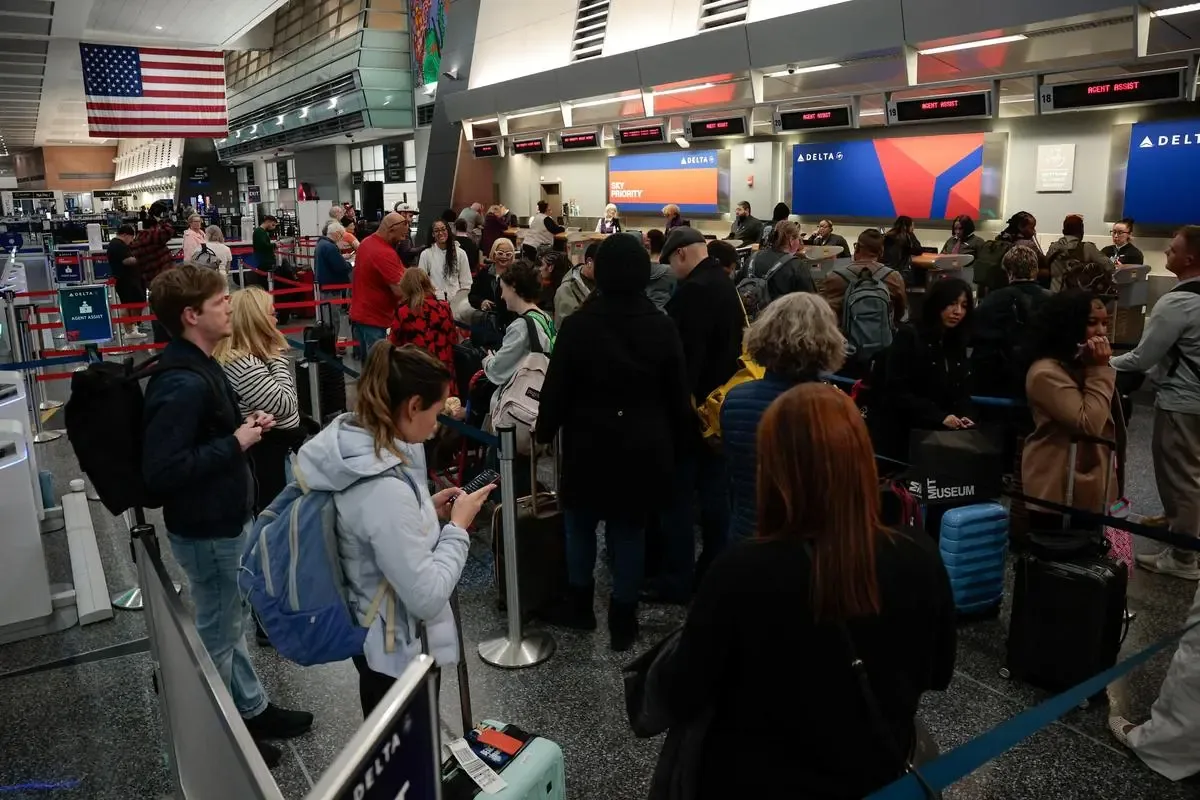
Nationwide Ground Stop Halts US Air Travel for Four Hours Following Major Telecommunications Failure
14 Nov. 07:16The United States Federal Aviation Administration (FAA) has officially lifted a nationwide ground stop that halted departures across all American airports for roughly four hours. According to CNN, the sweeping emergency suspension triggered severe disruptions throughout domestic and international aviation networks. During the four-hour freeze, airlines were forced to cancel more than 6,000 flights arriving in or departing from the United States.
Industry estimates indicate that the disruption directly impacted at least 1.5 million travelers—a figure that accounts solely for passengers whose flights were outright canceled, excluding the vast numbers affected by cascading delays. While investigators continue to determine the exact root cause of the incident, preliminary technical assessments point to a widespread failure of network routers that resulted in a major telecommunications outage, prompting the FAA to ground all outbound air traffic as a safety precaution.
Addressing concerns over potential external interference, US Secretary of Homeland Security Markwayne Mullin stated that federal authorities have found no evidence suggesting a malicious attack was behind the outage. He further clarified that the aviation communications breakdown is entirely unrelated to the widespread Microsoft system disruption that occurred earlier on November 13.
Blitz