
Playlist
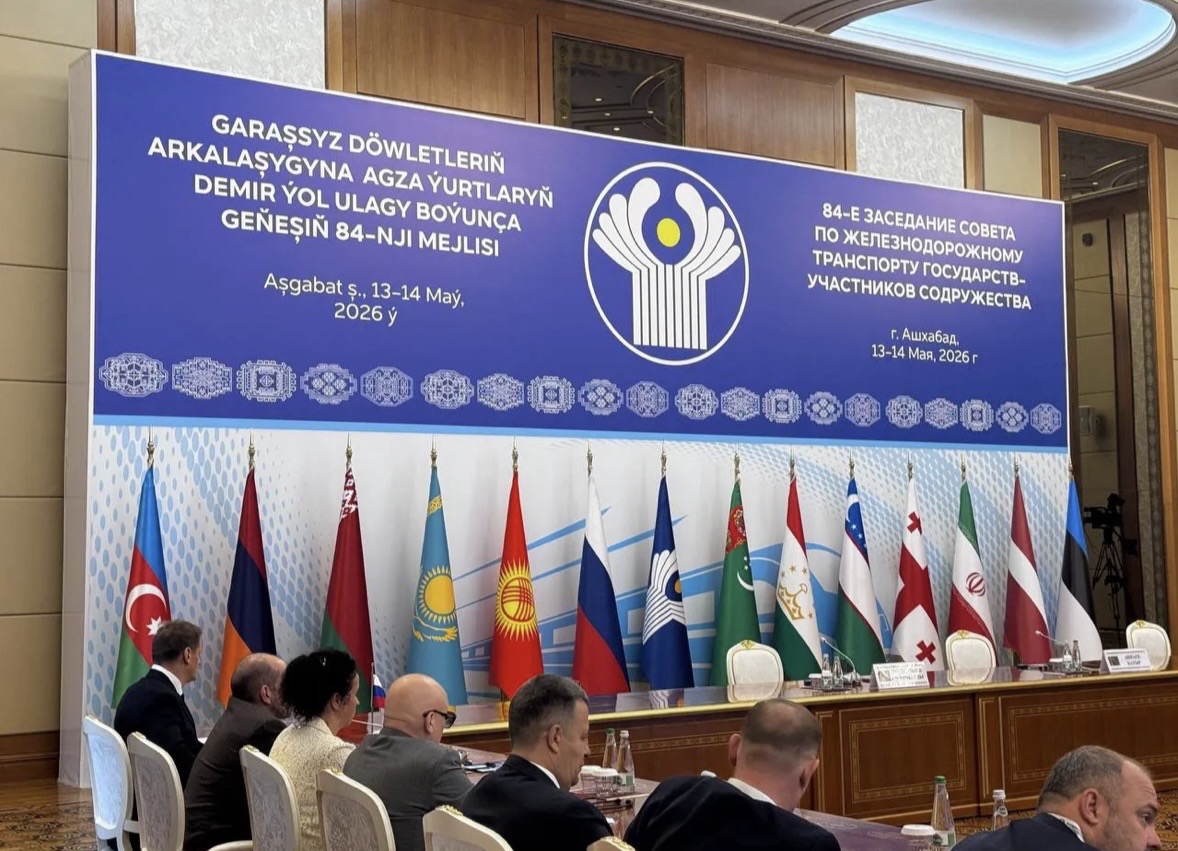
The 84th session of the Council for Railway Transport of the CIS Member States officially commenced today at the "Yyldyz" Hotel in Ashgabat. This significant international gathering, which will run through May 14, brings together the heads of national railway administrations to discuss the future of regional transportation. The summit serves as a vital platform for synchronizing logistical efforts and enhancing the connectivity of the Commonwealth’s rail networks.
The agenda for the meeting is focused on several key strategic objectives, including the optimization of cross-border freight operations and the modernization of technical infrastructure. Participants are expected to engage in a series of bilateral and multilateral consultations to forge new agreements on transit efficiency and tariff coordination. A press briefing will follow the conclusion of the sessions to summarize the outcomes and strategic decisions reached by the Council.
Special attention is being directed toward the digital transformation of rail management systems and the further development of international transport corridors. Experts emphasize that the Ashgabat meeting is a critical step toward creating a more integrated and technologically advanced transport space within the CIS. The discussions aim to address current logistical challenges while promoting sustainable economic growth through improved infrastructure.
In addition to the formal sessions, the visiting delegations will experience a diverse cultural program highlighting the heritage of Turkmenistan. The itinerary includes visits to the national equestrian center, the State Museum of Turkmenistan, and the newly inaugurated Magtymguly Pyragy cultural park complex. These social engagements are designed to foster professional solidarity and celebrate the long-standing diplomatic and cultural ties between the participating nations.
Also read

A rye-wheat loaf preserved in a freezer for 36 years has been put on public display as part of the permanent exhibition at the Deutschlandmuseum in Berlin. Dubbed "The Last Loaf of the GDR," it was originally purchased on June 26, 1990, by student Michael Hagedorn, who bought an extra loaf fearing potential food shortages amidst the economic unification of East and West Germany.
The museum's director, Robert Rückel, described the unusual artifact as a unique poignant symbol of everyday human decisions during times of monumental geopolitical change. To maintain its preserved state, the museum installed a custom refrigeration unit where the historical loaf remains permanently frozen for visitors to view.
Blitz