
Playlist
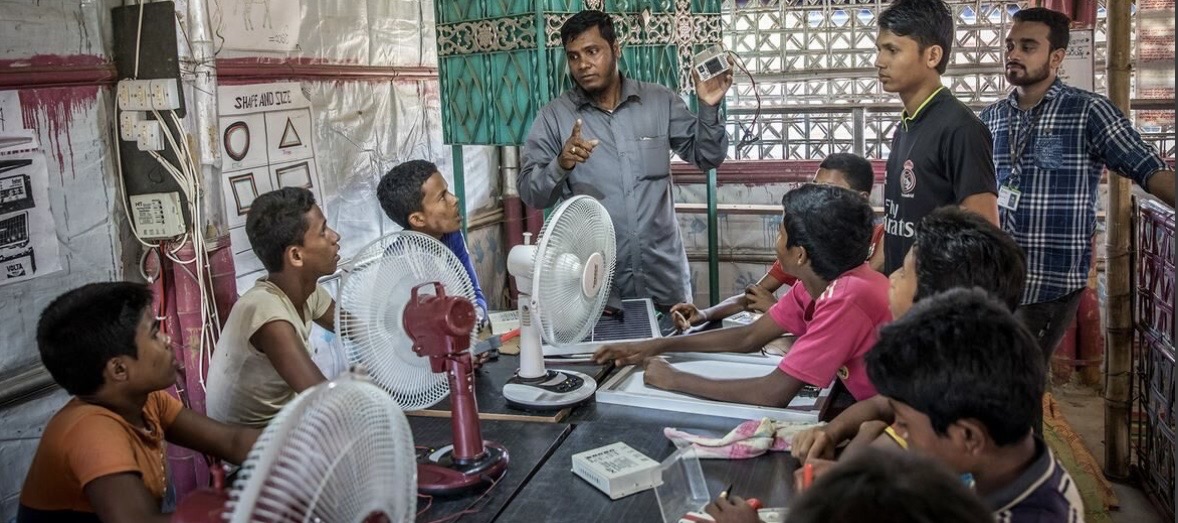
World Bank report projects critical employment deficits for the global workforce by 2035
27 Jun. 06:46Developing nations are on the verge of experiencing an unprecedented demographic shift that will severely test global labor markets over the next decade. According to a comprehensive research document published by the World Bank, approximately 1.2 billion young people are projected to enter the working-age demographic by the year 2035. This massive generational influx represents the largest expansion of potential labor in modern economic history, occurring at a time when decelerating global economic growth restricts the structural capacity for job creation.
Statistical modeling within the study reveals an alarming structural gap between young job seekers and available economic opportunities worldwide. Out of the massive pool of upcoming global youth, the institutional market is estimated to successfully absorb only about 400 million individuals into stable job configurations. Consequently, nearly 300 million young citizens are currently facing the direct risk of becoming marginalized, remaining detached from professional employment, educational pathways, or technical vocational training programs.
Geographically, the Sub-Saharan African region is expected to undergo the most extreme demographic pressures, with its youth demographic expanding to exceed 330 million individuals by 2035, a nearly 2.5-fold increase since the turn of the century. Similar employment strains are anticipated across South Asia, the Middle East, and North Africa. However, World Bank experts point out that this generation is uniquely qualified and highly educated; if national policymakers can build sufficient economic frameworks, this human capital could drive significant domestic demand.
To mitigate these systemic global structural threats, the international financial institution advises sovereign governments to implement structural reforms across three core areas: infrastructure deployment, entrepreneurial ecosystem optimization, and private capital mobilization. Industry analysis identifies energy distribution, advanced agribusiness, modern healthcare systems, manufacturing, and international tourism as the primary sectors capable of generating sustainable employment. The ultimate challenge for contemporary policymakers involves shifting focus from baseline job metrics toward securing high-quality, skill-aligned positions for the incoming generation.



A rye-wheat loaf preserved in a freezer for 36 years has been put on public display as part of the permanent exhibition at the Deutschlandmuseum in Berlin. Dubbed "The Last Loaf of the GDR," it was originally purchased on June 26, 1990, by student Michael Hagedorn, who bought an extra loaf fearing potential food shortages amidst the economic unification of East and West Germany.
The museum's director, Robert Rückel, described the unusual artifact as a unique poignant symbol of everyday human decisions during times of monumental geopolitical change. To maintain its preserved state, the museum installed a custom refrigeration unit where the historical loaf remains permanently frozen for visitors to view.
Blitz