
Playlist
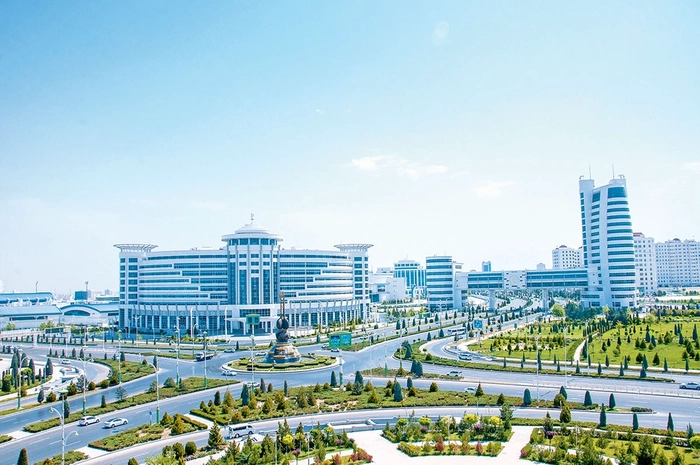
Weather outlook for the week in Turkmenistan: rain, snow and falling temperatures
09 Feb. 06:24According to the Hydrometeorological Service of the Ministry of Environmental Protection of Turkmenistan, unstable weather conditions are expected across Turkmenistan this week. Rainfall will be observed in most regions, with sleet and snow in northern areas, while temperatures may drop as low as minus 9 degrees. This information was also published in the newspaper “Turkmenistan”.
In Ashgabat, skies will be partly cloudy with periods of rain. Winds will shift from east to northwest, reaching speeds of up to 16 meters per second. Nighttime temperatures will range between +1 and +10 degrees, while daytime readings will vary from +8 to +24 degrees.
In the Balkan region, precipitation may fall as rain mixed with snow. Winds will intensify up to 17 meters per second. At night, temperatures will range from -2 to +10 degrees, while daytime temperatures will reach +20…+25 degrees, and +11…+16 degrees in coastal areas.
The Ahal region will experience cloudy and rainy weather. Night temperatures will range from -2 to +12 degrees, with daytime values rising to +26 degrees.
In the Mary region, rainy conditions are expected, accompanied by strengthening winds. Nighttime temperatures will range from -1 to +12 degrees, while daytime temperatures will reach +25 degrees.
The Lebap region will see overcast skies with rainfall. Temperatures at night will range from -4 to +11 degrees, and daytime temperatures from +5 to +24 degrees.
In the Dashoguz region, colder weather is forecast. Sleet and snowfall are possible, with nighttime temperatures dropping to minus 9 degrees and daytime temperatures fluctuating between -1 and +16 degrees.


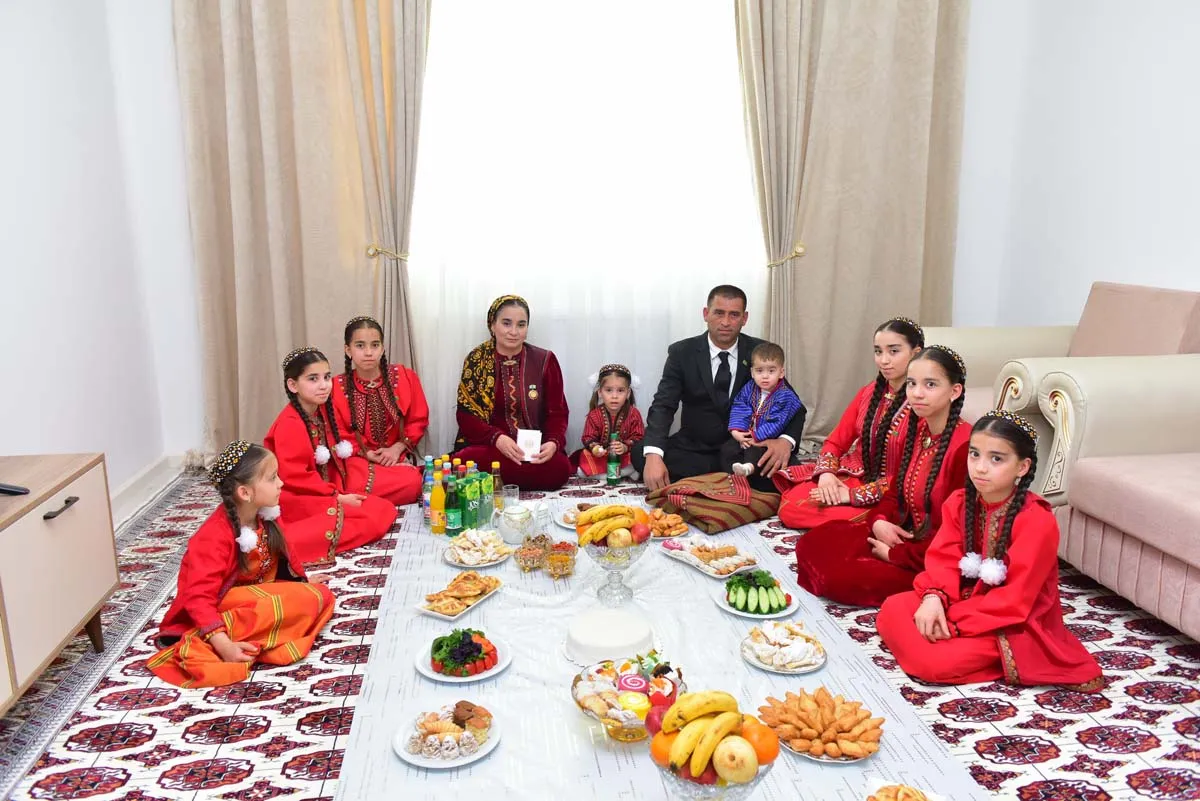

Simple Vitamin Shows Surprising Results in Pre-Cancerous Blood Conditions, Study Finds
Today in 02:02Daily high-dose supplementation of vitamin C can significantly reduce mortality risks and help prevent severe medical complications in patients with pre-cancerous blood conditions. Researchers from the Van Andel Institute in the United States and Copenhagen University Hospital in Denmark reached this conclusion following a comprehensive three-year follow-up study. The international "EVITA" trial involved volunteers who were administered 1,000 mg of vitamin C daily over the course of a year, while a control group received a placebo.
Although initial hypotheses suggested vitamin C might directly inhibit abnormal cell proliferation, researchers found its primary benefit lay in strengthening the body, reducing systemic inflammation, and lowering rates of anemia, pneumonia, and internal bleeding. Over the three-year observation period, the vitamin C group exhibited a significantly higher survival rate compared to the placebo group. While experts emphasize that these findings remain preliminary and require larger clinical trials before reshaping formal medical treatment protocols, vitamin C continues to show promising potential in supportive patient care.
Also read



Blitz