
Playlist
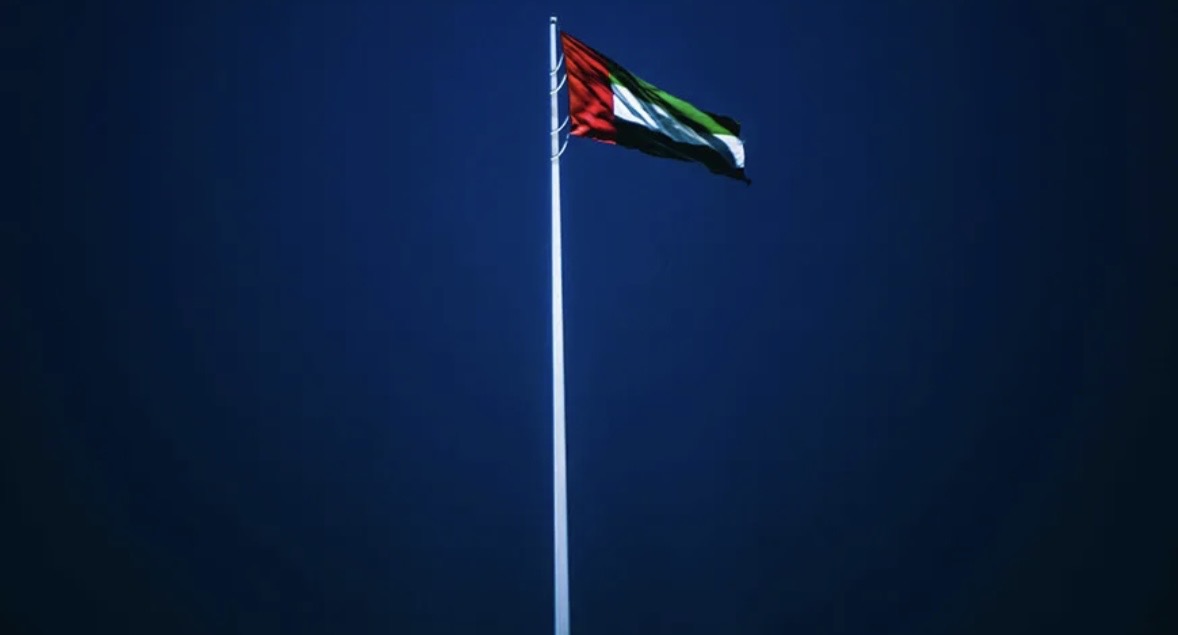
Suhail al-Mazrouei, the UAE Minister of Energy and Infrastructure, has provided clarification regarding the nation’s strategic decision to withdraw from the Organization of the Petroleum Exporting Countries (OPEC). The minister highlighted that the logistical limitations imposed by the Strait of Hormuz play a pivotal role in this shift. According to the official statement, the UAE seeks more flexibility in its production and export strategies to mitigate the risks associated with regional shipping bottlenecks.
The minister emphasized that any disruption or closure of the Strait of Hormuz severely restricts the flow of crude oil and refined products from the Persian Gulf to international markets. In such a volatile environment, the UAE finds it necessary to adopt a different operational strategy that departs from traditional OPEC quotas. This independence is seen as a vital step in navigating the complex balance between global supply and demand without being hindered by rigid organizational constraints.
Furthermore, Al-Mazrouei pointed out that the UAE cannot rapidly increase production levels while facing the persistent risks associated with the strait's accessibility. He called for global attention to ensure the free movement of vessels through this critical maritime passage. The inability to guarantee steady exports under current collective agreements has led the UAE to prioritize its national infrastructure and sovereign energy goals over multinational group mandates.
The UAE's formal exit from OPEC and the OPEC+ alliance, effective May 1, 2026, marks a significant turning point in global energy politics. As a major producer, the Emirates' departure signals a move toward a more autonomous energy policy designed to safeguard its economic future. By stepping away from the collective production cuts, the UAE aims to optimize its vast resources and enhance its status as a reliable global energy supplier on its own terms.
Also read



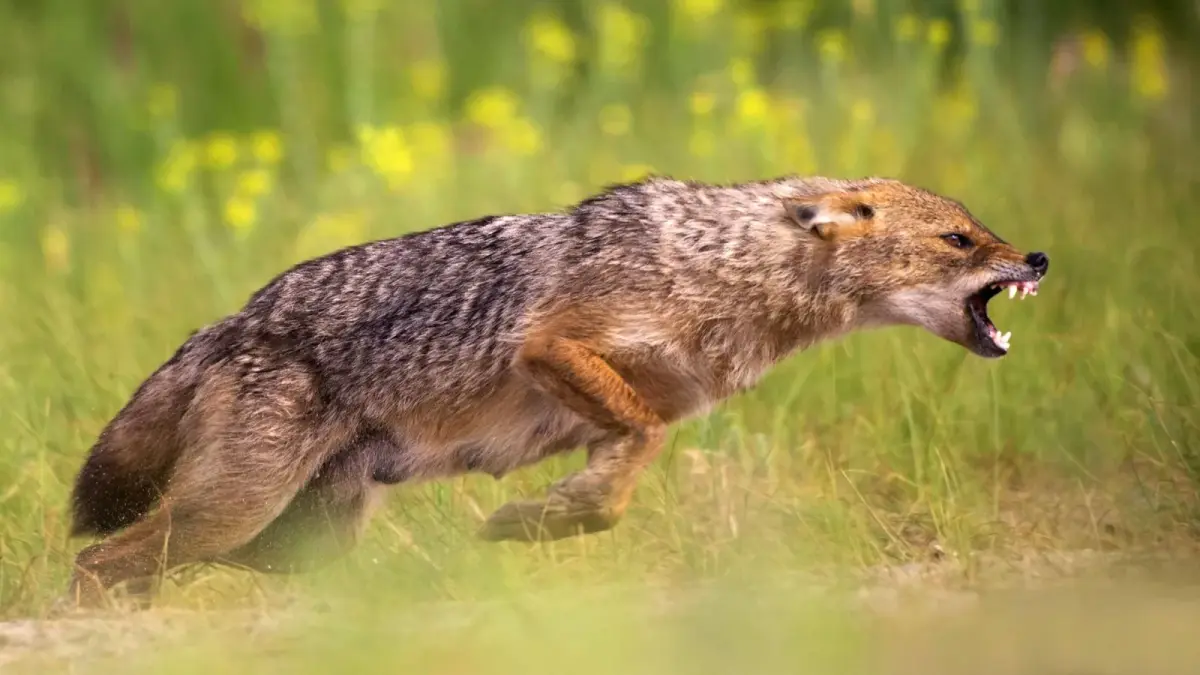
Ecological Shift: Golden Jackals Pro Projected to Inhabit 75% of the European Continent
Today in 06:53Once restricted mainly to the Balkans and the Black Sea coastal regions, golden jackals are rapidly expanding their footprint across Europe. According to a landmark study by an international research team published in Nature Ecology & Evolution, these adaptable predators could eventually inhabit up to 75% of the European continent—nearly a sixfold expansion from their historical range. Scientists arrived at these conclusions after monitoring nearly 9,000 sampling sites across multiple European nations.
Recent sightings and acoustic tracking confirm that jackals have established populations in the Czech Republic, the Baltic region, and even Scandinavia. The species thrives in areas with mild winters, mixed agricultural landscapes, and proximity to water sources. Regional climate warming has transformed previously uninhabitable northern areas into suitable habitats, while farming landscapes offer abundant food sources and coverage.
Biologists attribute this unprecedented expansion primarily to the historical decline of wolf populations, which naturally suppress jackal numbers and limit their movement. Smaller than wolves but slightly larger than foxes, jackals feed on small rodents, carrion, plants, and fruits. Their high ecological adaptability allows them to settle efficiently into newly colonized territories without human interference.
However, their entry into Western and Southern Europe, including countries like France and Spain, poses potential ecological consequences. Environmentalists warn that the arrival of jackals could disrupt local ecosystems and threaten endangered ground-nesting steppe birds and smaller wildlife across the Iberian Peninsula.
Blitz