
Playlist
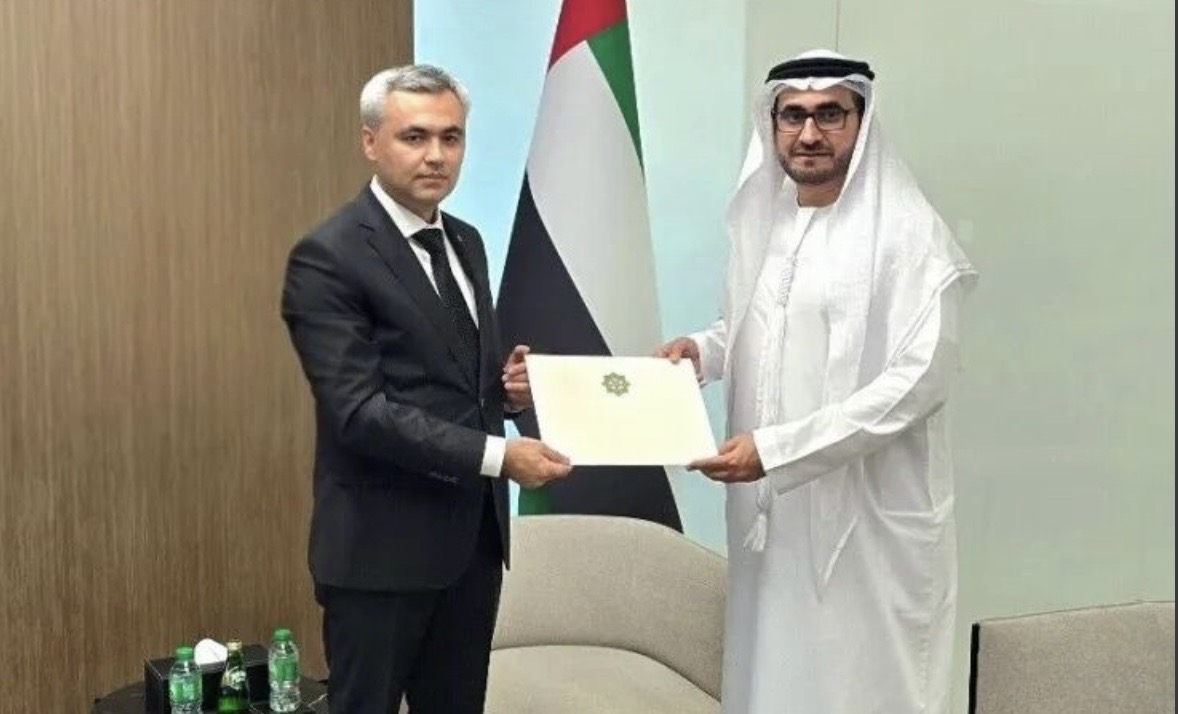
Turkmenistan has strategically realigned its diplomatic representation in the Gulf region to enhance its foreign policy outreach. By presidential decree, the current Extraordinary and Plenipotentiary Ambassador to the United Arab Emirates has been assigned the additional responsibility of representing Turkmenistan’s interests in the State of Kuwait. This administrative move is designed to streamline the nation’s diplomatic efforts in the Middle East.
The envoy, who has been leading the mission in Abu Dhabi since October 2025, will now operate across both jurisdictions to foster stronger bilateral ties. The decision to maintain a dual-accreditation status reflects a modern approach to diplomacy, aimed at maximizing institutional efficiency and promoting a unified regional strategy. This appointment is expected to facilitate more direct and high-level communications between Ashgabat and Kuwait City.
The legislative act, signed into effect on April 24, 2026, marks a significant step in the evolution of Turkmenistan's diplomatic corps. By consolidating leadership for these two important Gulf nations, the government intends to broaden the scope of its strategic partnership and investment cooperation. This move underscores the geopolitical significance that Turkmenistan places on its relations with the Arab world.
Key priorities for the expanded diplomatic mission include the revitalization of economic cooperation, energy partnerships, and cultural exchanges. The ambassador’s new dual role is anticipated to accelerate the implementation of joint projects and strengthen Turkmenistan's voice in regional multilateral forums, establishing a more robust presence in the global diplomatic landscape.
Also read


On-the-Go Power: Japanese Engineers Develop Wireless In-Road Charging for Electric Vehicles
10 Oct. 08:10In a major leap for electric mobility, Honda R&D, alongside Taisei Corporation and Taisei Rotec, has unveiled an innovative dynamic wireless charging system that charges electric vehicles as they drive. By embedding compact energy-transmitting modules directly into the road surface, the system transfers power via a magnetic field to receivers mounted underneath moving vehicles. Designed to withstand heavy commercial transport up to 20 tons, real-world road testing is scheduled to begin in Japan in April 2027.
The technology eliminates the need for full road reconstruction, as modules can be integrated directly into milled asphalt layers. Aimed at boosting charging power up to 150 kW in future iterations, this infrastructure solution promise to significantly reduce grid pressure on traditional charging stations, particularly for logistics and commercial fleets.
Blitz