
Playlist
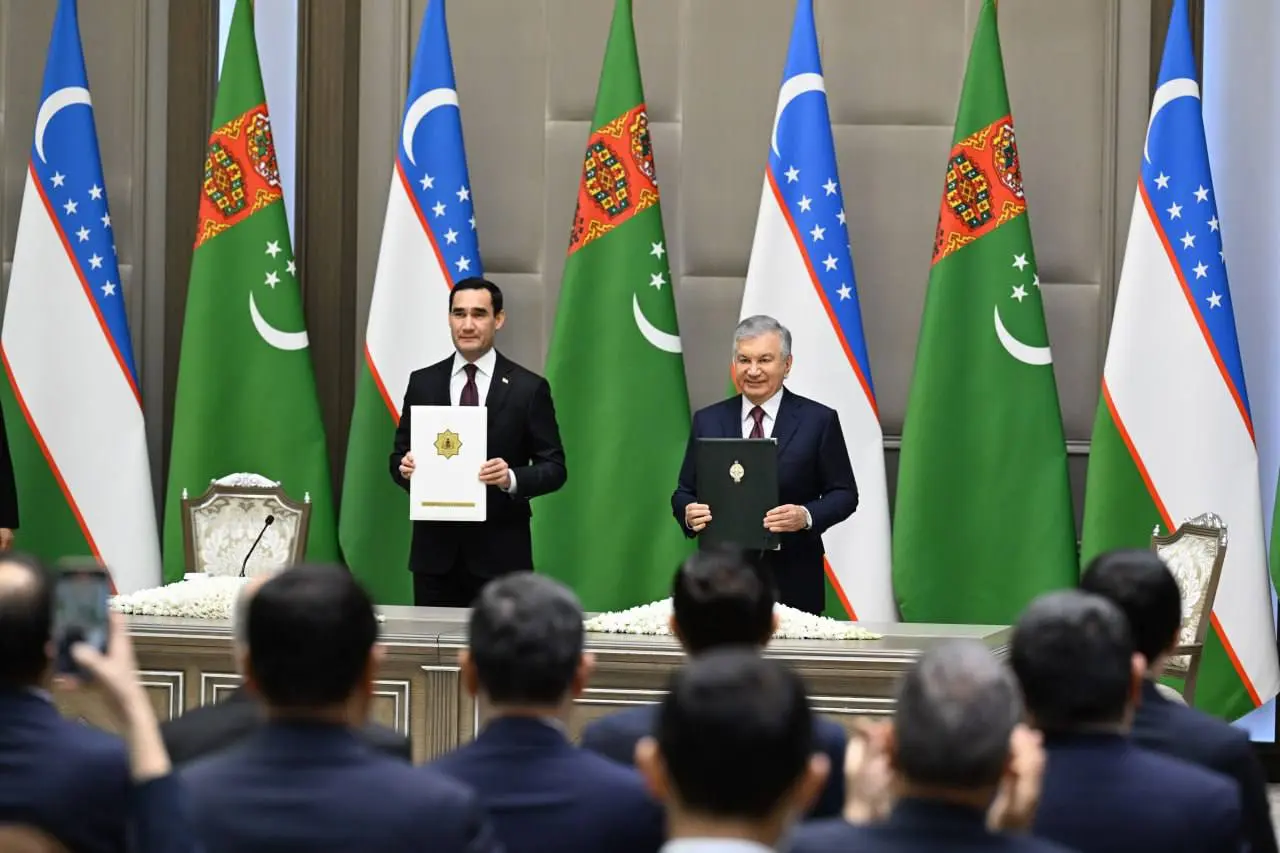
Turkmenistan and Uzbekistan Adopt Extensive Package of Bilateral Agreements
17 Nov. 14:26During high-level talks held in Tashkent, President of Turkmenistan Serdar Berdimuhamedov and President of Uzbekistan Shavkat Mirziyoyev signed a Joint Statement.
In the presence of both leaders, the sides also exchanged a substantial set of signed documents, including:
– the treaty on the functioning of the Turkmen–Uzbek border trade zone;
– agreements on cooperation in healthcare, medical science, and agriculture;
– protocols introducing amendments to intergovernmental agreements on emergency prevention and international passenger and cargo road transport;
– cooperation programs between the ministries of justice and in the cultural sphere for 2026–2027;
– memorandums on the supply of railway tank cars for oil products and liquid chemicals, on biological security, and on establishing a Turkmen–Uzbek expert council;
– a memorandum between the analytical and research institutions of both states;
– a forestry cooperation roadmap for 2026–2030;
– and regional agreements on trade, economic, scientific-technical and cultural-humanitarian partnership between provinces of Uzbekistan and velayats of Turkmenistan.
This collection of documents confirms that the strategic partnership between the two states has moved to a new, systemically structured stage.
A particularly notable achievement is the unprecedented set of regional agreements, which establishes a solid legal foundation for deeper cooperation at the level of provinces and velayats. The negotiations resulted in a comprehensive legal framework covering a wide range of areas—from trade and logistics to analytical cooperation and humanitarian interaction.
The adopted agreements provide mechanisms to implement the objectives set by the two presidents, supporting stability and shared prosperity for both nations and the broader Central Asian region.
Also read
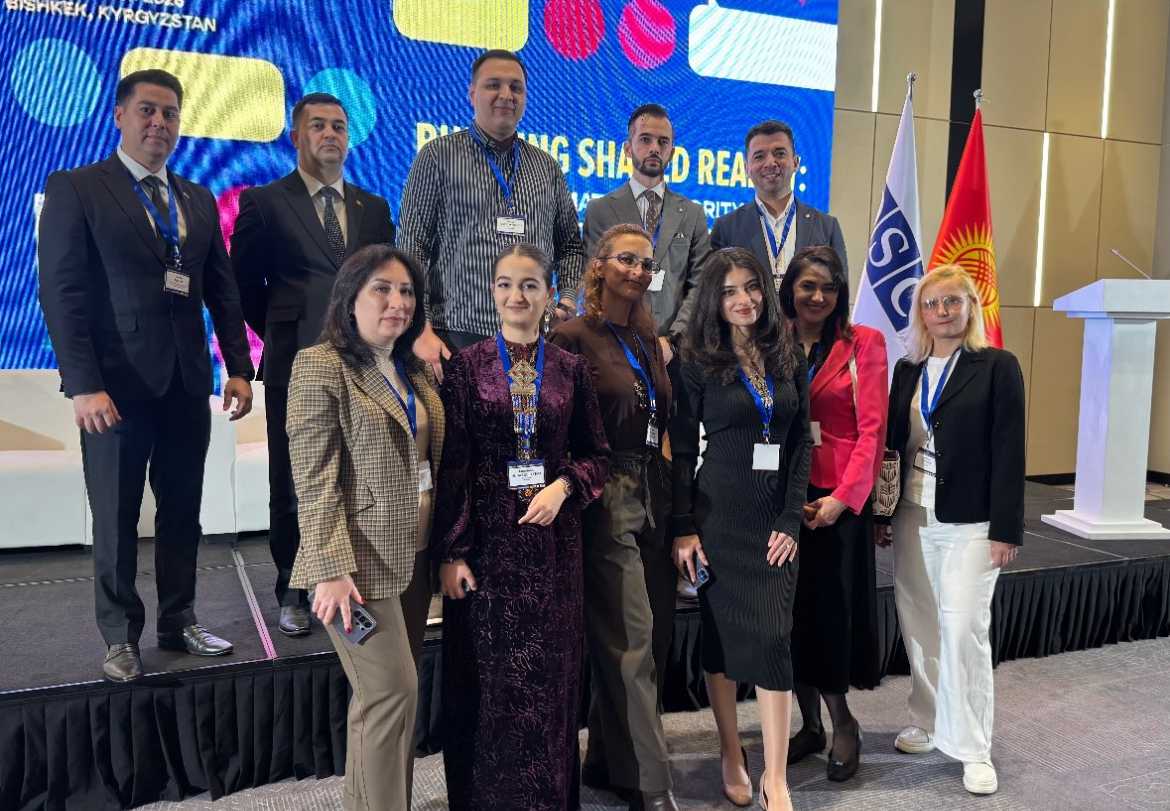
Turkmen Journalists and Experts Participated in the OSCE Central Asia Media Conference in Bishkek
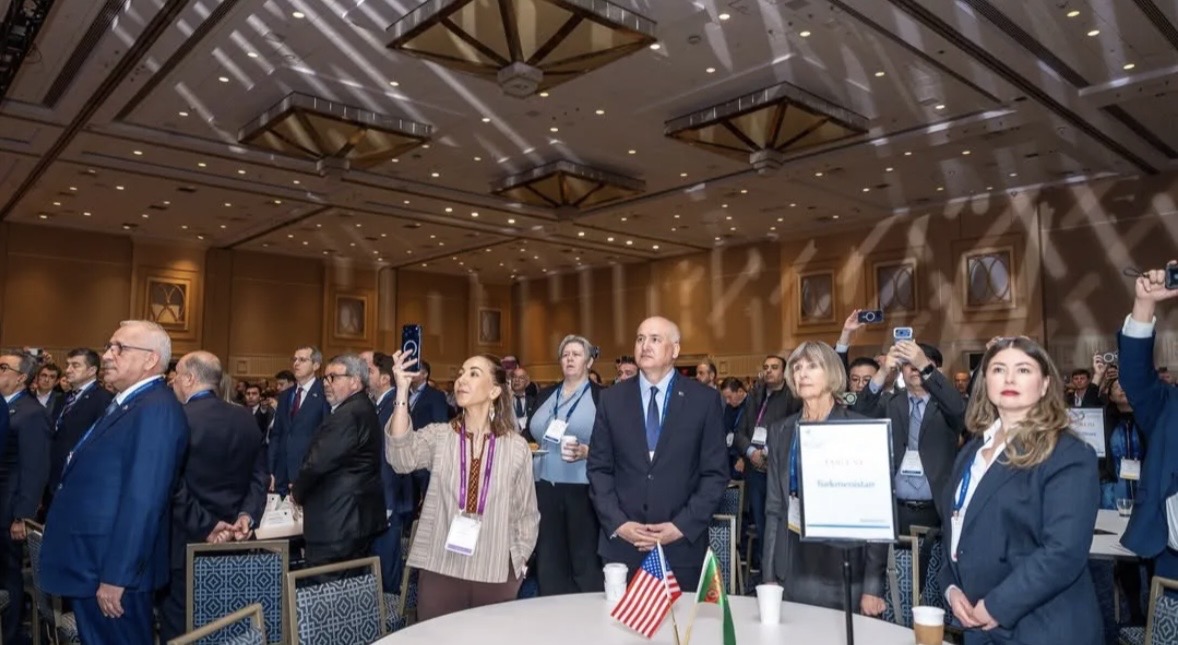
10 Oct. 13:57On October 9–10, 2026, the capital of Kyrgyzstan hosted a major OSCE Central Asia Media Conference, bringing together leading experts, government officials, civil society representatives, and media professionals from across the region. Entitled "Building Shared Reality: Information Integrity, Media Ethics and Trust in the Digital Age," this high-level forum addressed the most pressing contemporary challenges, including the transformation of information ecosystems, the impact of Big Tech, the deployment of artificial intelligence systems, and the digital safety of media workers.
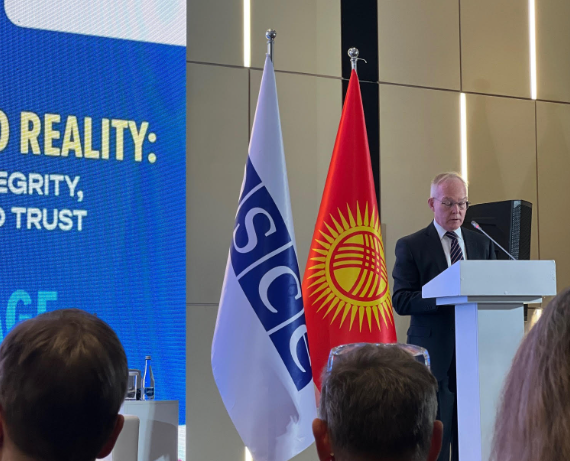
The significance of this conference is profound, serving as an essential platform for building cross-border dialogue, reinforcing professional journalistic standards, and collectively shaping regional solutions amidst rapid digitalization.
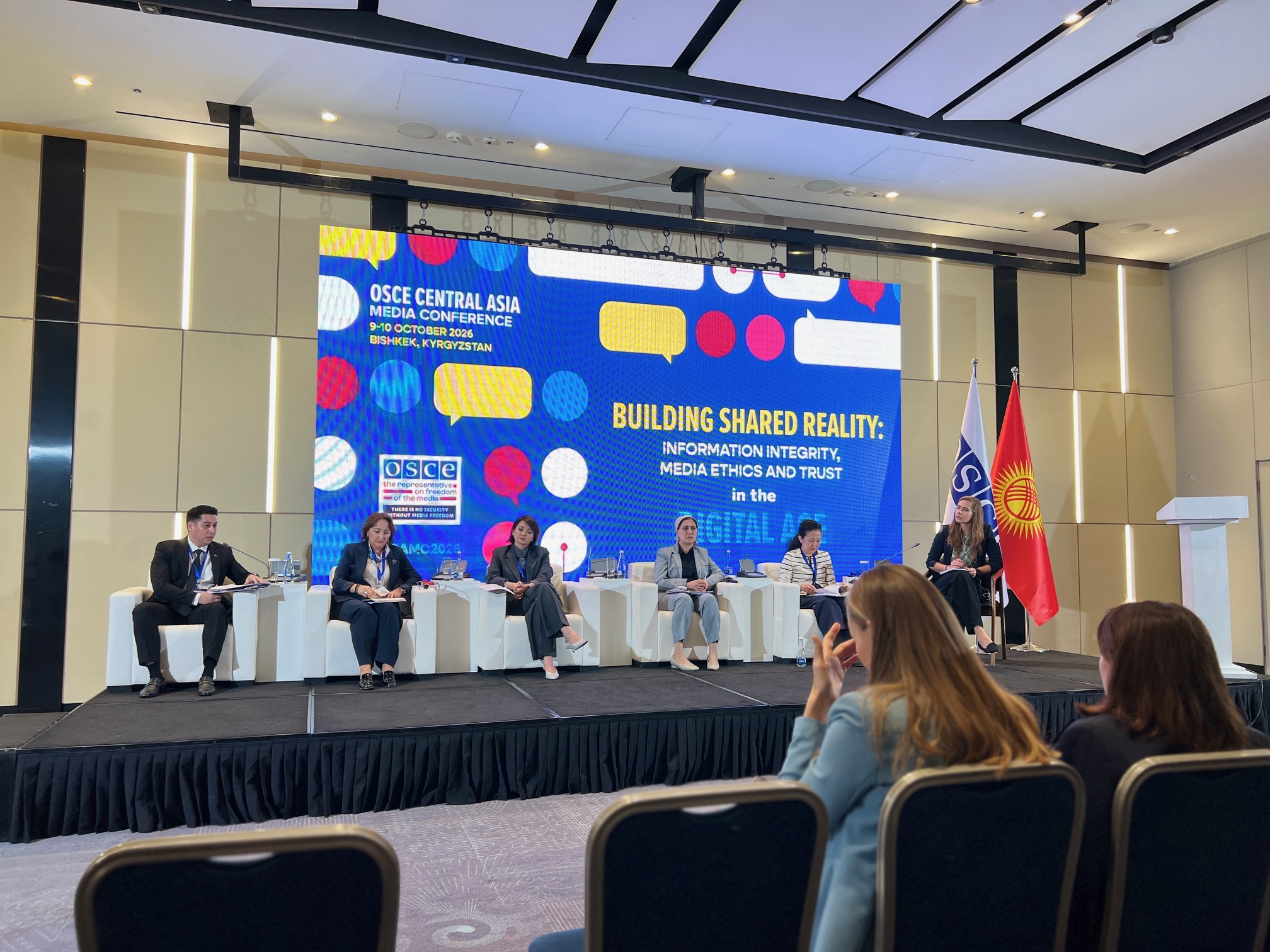
Throughout the rich program of the forum, participants discussed a wide array of topics ranging from independent self-regulation standards and source protection to practical tools for AI integration in newsrooms and gender-sensitive approaches to journalists' safety. Representatives from Turkmenistan took an active part in the conference sessions, highlighting national priorities within the broader regional framework. Specifically, during discussions on implementing OSCE policy guidelines, Turkmen delegation member emphasized the importance of a phased approach to developing the media environment—one grounded in studying international experience, expert dialogue, and adaptation to national and linguistic realities.
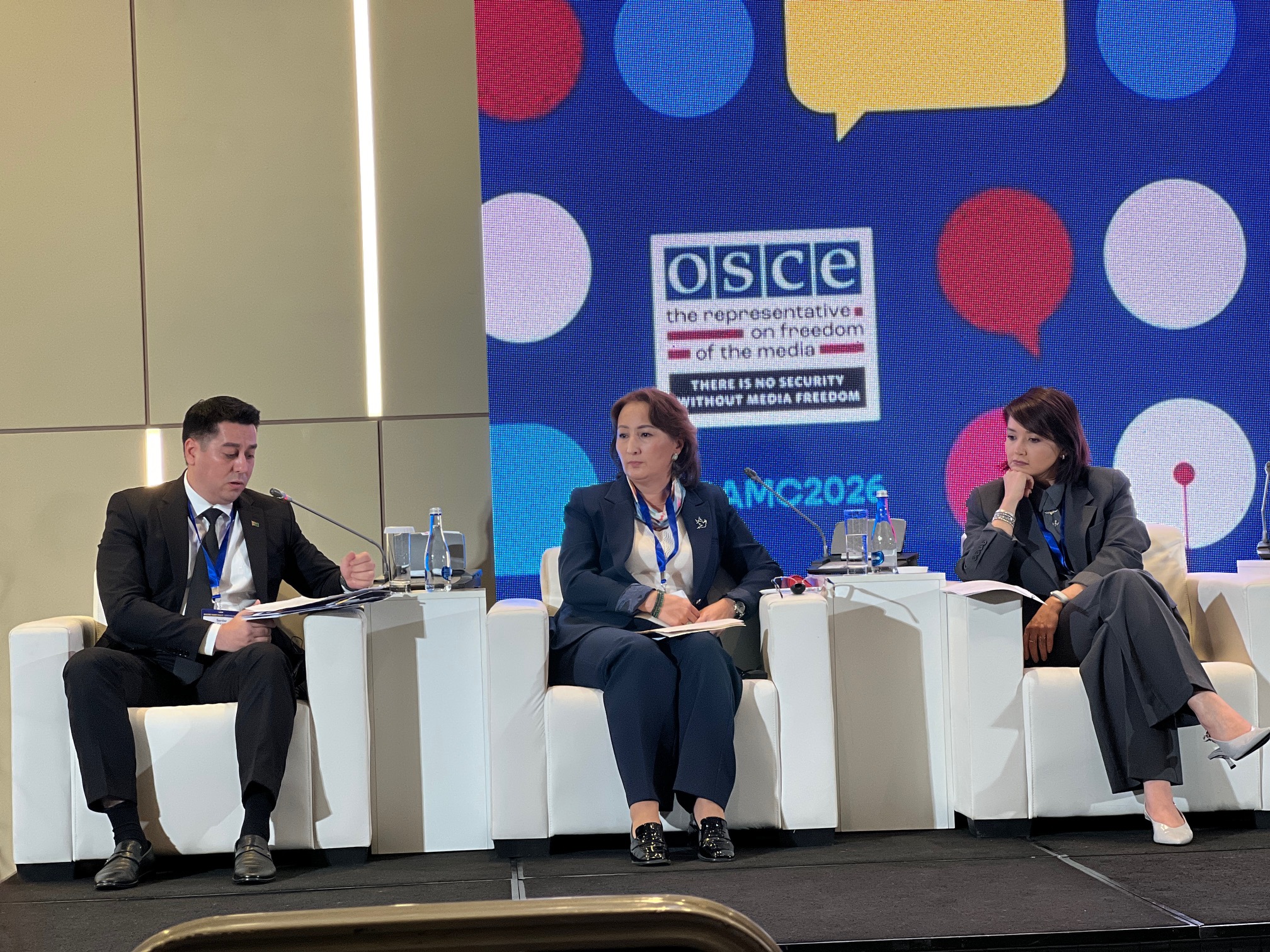
Key topics included digital platform transparency, the development of Turkmen-language AI models, media economic sustainability, and copyright protection in the era of AI. Additionally, Azat Seyitmuhammedov, founder of Arzuw News, shared practical insights into deploying generative artificial intelligence to optimize workflows in smaller local newsrooms.
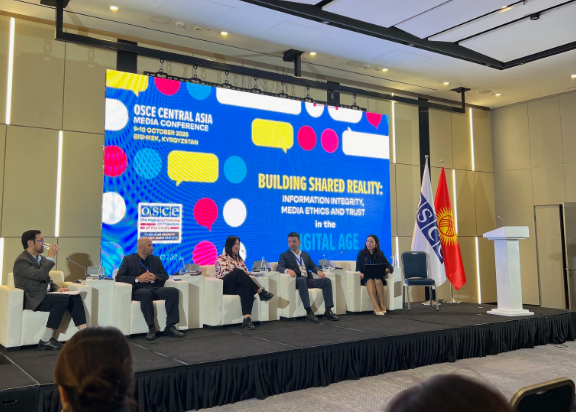
The conference underscored that continuous multilateral dialogue among Central Asian nations and international partners, including the OSCE Centre in Ashgabat, is vital for successfully navigating the technological challenges of the future.
Also read



Blitz