
Playlist
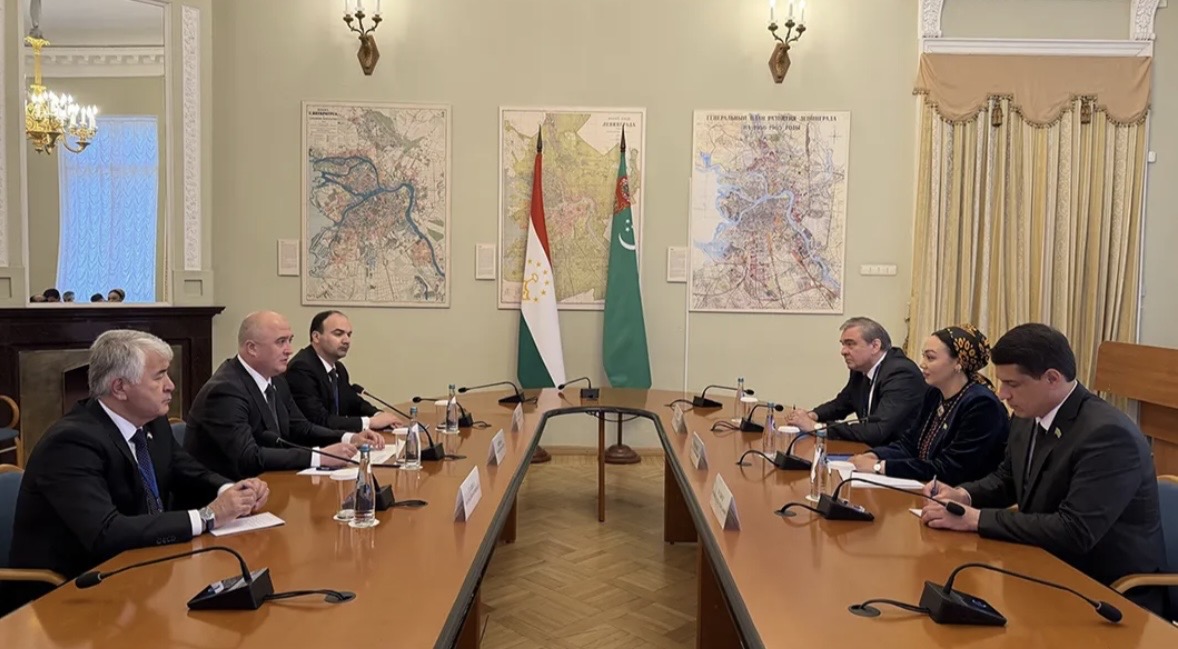
Turkmenistan and Tajikistan target advanced legislative integration and regional synchronicity
23 May. 17:47The parliamentary leadership of Turkmenistan and the Republic of Tajikistan held a high-level bilateral session to examine and expand the existing frameworks of interparliamentary diplomacy. The discussions focused on reinforcing structural ties and optimizing collective governance mechanisms based on historical friendship, non-interference, and equal partnership. Both parties reaffirmed their commitment to utilizing legislative networks to support broader geopolitical stability.
The heads of the respective assemblies highlighted the steady progression of socio-economic and humanitarian ties, stating that deep-rooted cultural connections provide a resilient foundation for modern cross-border initiatives. The institutional dialogue focused on creating favorable legal environments to support joint industrial, logistics, and infrastructure programs being implemented across the Central Asian region.
The executive exchange emphasized the importance of mutual support for strategic resolutions presented within international parliamentary bodies. The agreed action plan includes increasing structural connectivity between specialized standing committees, promoting continuous knowledge sharing regarding digital legislative transitions, and facilitating regular interactions between youth assemblies and female leadership circles.
Concurrently, the Speaker of the Tajik legislative body received a formal invitation to participate in upcoming consultative summits and multilateral diplomatic segments hosted by Turkmenistan. These high-level events, scheduled to take place in the "Avaza" National Tourist Zone, align with the country's current pro-tempore regional chairs and are projected to formulate next-generation blueprints for multi-sectoral economic growth and unity.
Also read
Solar Mini-Grids to Power Remote Communities Across Turkmenistan Under New Four-Million-Dollar UNDP Initiative
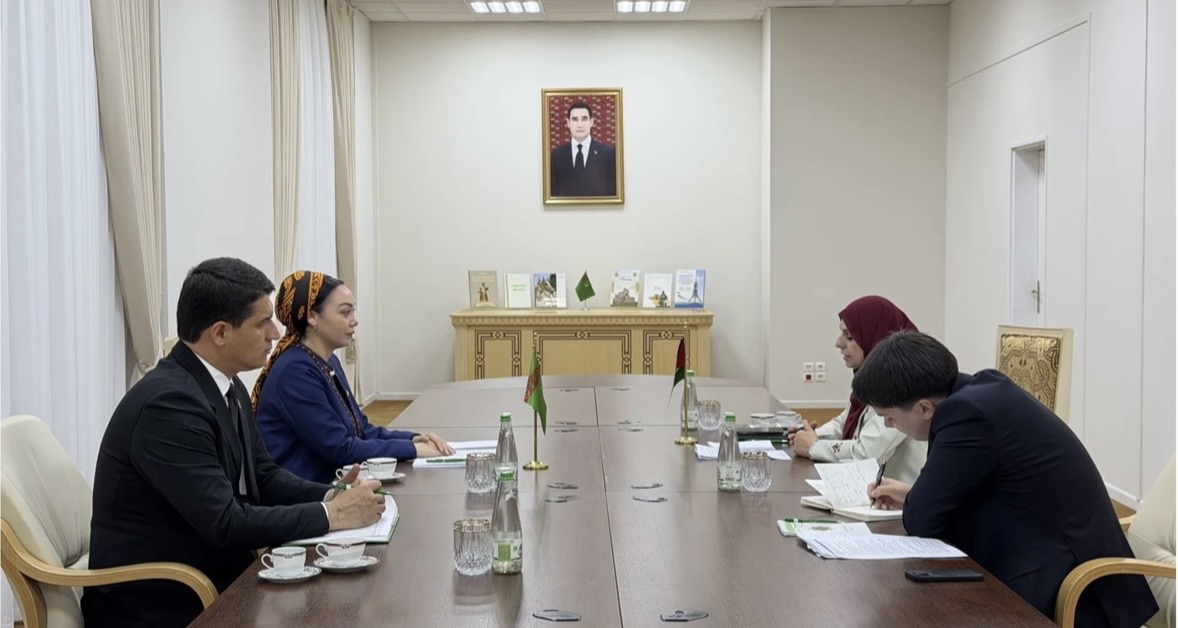
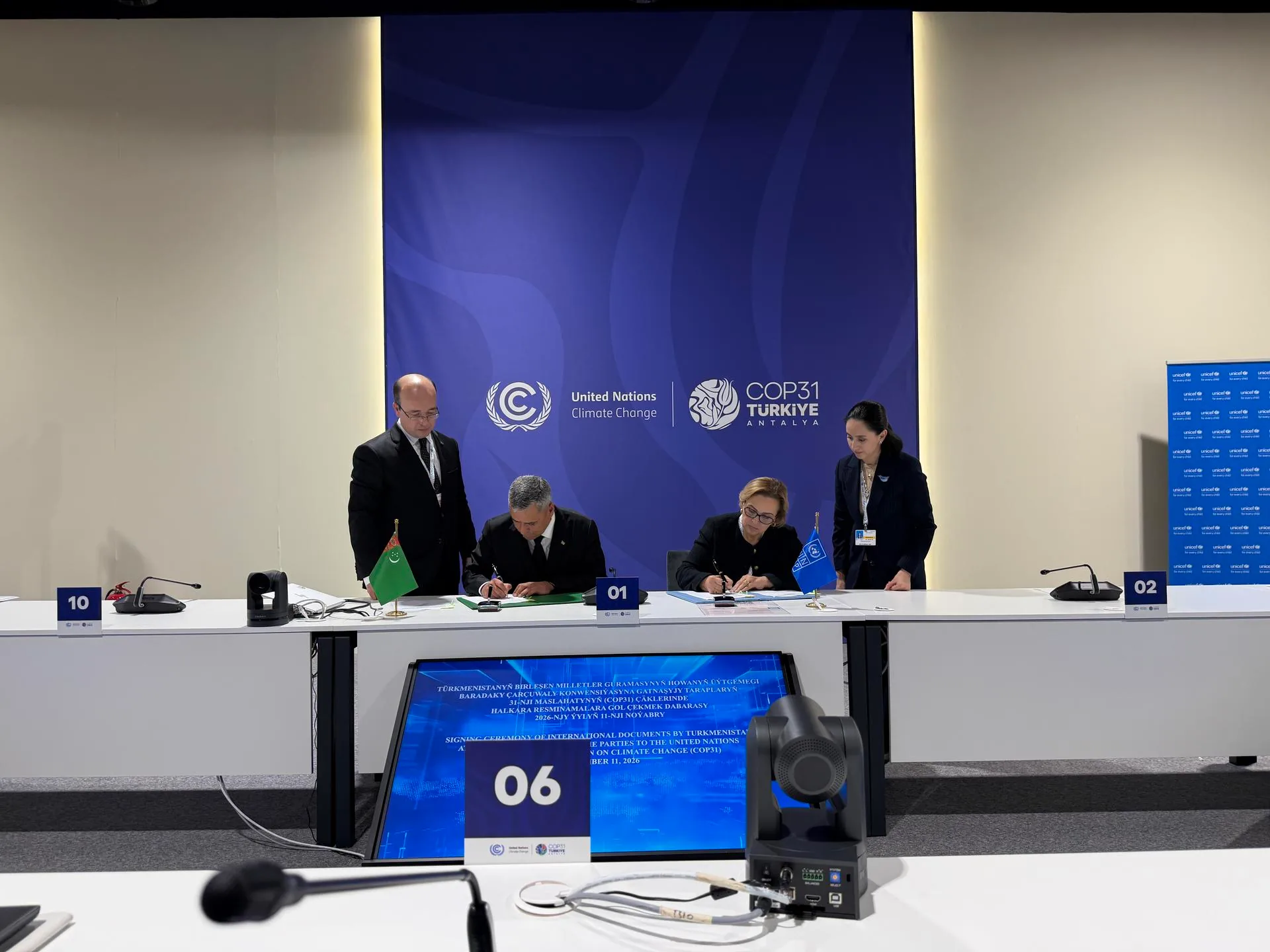
13 Nov. 14:30Following the landmark climate agreements signed on the sidelines of the COP31 conference in Antalya, the United Nations Development Programme (UNDP) has unveiled comprehensive details regarding its upcoming clean energy partnership with the Government of Turkmenistan. Backed by a Global Environment Facility (GEF) grant exceeding 4.17 million US dollars, the five-year project titled "Supporting Energy Transition for Remote Settlements of Turkmenistan" will be executed by the United Nations Office for Project Services (UNOPS) in close coordination with Turkmenistan's Ministry of Environmental Protection and Ministry of Energy.
A central pillar of the initiative involves installing and commissioning up to ten pilot solar mini-power plants with a combined capacity of up to 2 MW in isolated communities that currently rely heavily on diesel generators for electricity. These demonstration facilities will showcase the viability of solar power across Turkmenistan's remote regions and establish a blueprint for broader clean energy adoption. Building upon the operational experience gained from these initial sites, experts will conduct feasibility assessments and prepare tailored technical solutions for potentially deploying solar energy systems in an additional 120 remote settlements.
Beyond physical infrastructure, the project focuses on strengthening the regulatory and institutional framework for renewable energy, training local specialists, and expanding domestic technical expertise. UNDP Resident Representative in Turkmenistan Narine Sahakyan noted that expanding access to reliable, clean electricity significantly enhances community resilience and human well-being—particularly for women and vulnerable groups—by translating national ambitions into tangible investments. The program directly supports Turkmenistan's National Strategy for the Development of Renewable Energy through 2030, advancing the country's commitments under the Paris Agreement and the United Nations Sustainable Development Goals.
Blitz