
Playlist

Turkic States Evaluate Strategic Implementation of Unified 34-Letter Alphabet
19 Jun. 08:25The capital of Kazakhstan recently hosted the fourth meeting of the Commission on the Common Turkic Alphabet, organized under the auspices of the International Turkic Academy. According to regional press reports, the institutional delegates concentrated their working sessions on the technical and logistical frameworks required to integrate a synchronized 34-letter writing system into national structures.
The blueprint for the standardized linguistic system was officially adopted in 2022, and current efforts are aimed at formatting corporate and educational usage rules across participating nations. The international panel in Astana brought together senior philologists and linguistic experts representing four partner countries: Azerbaijan, Kazakhstan, Kyrgyzstan, and Turkey.
The President of the Turkic Academy, Shahin Mustafayev, noted during his address that regional interest in the unified script continues to expand, making the finalization of standardized orthographic principles an immediate priority. To demonstrate the practical viability of the project, the academy has already published classical literary works in the newly developed script, including the philosophical collections of the Kazakh poet Abai and the historical prose of the Kyrgyz author Chingiz Aitmatov.
Linguistic experts conclude that the development and eventual deployment of a common alphabet serves as a primary structural mechanism for enhancing regional cultural diplomacy. The integration of this writing system is intended to expand academic connectivity, streamline digital communication channels, and secure a sustainable framework for long-term historical and intellectual collaboration among the participating states.



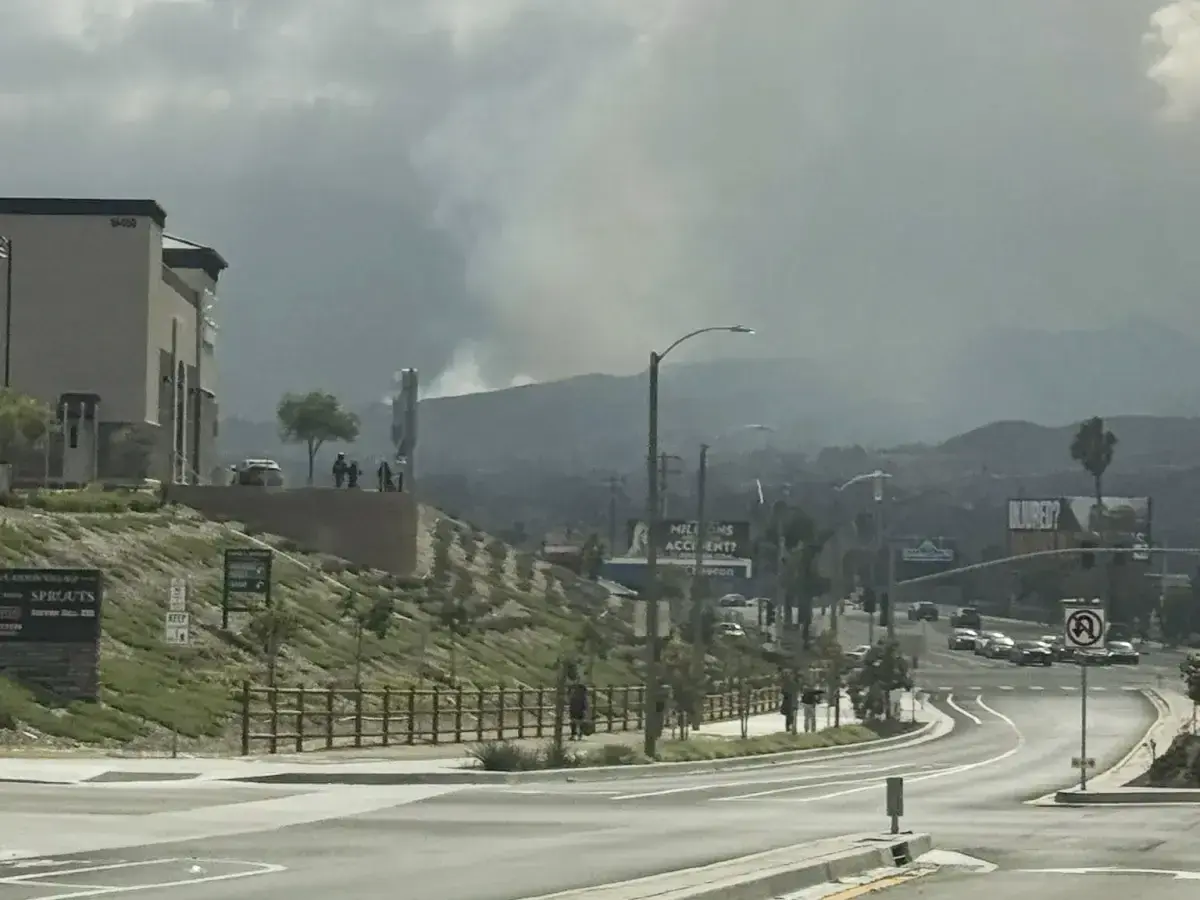
Wildfire Threat in California: Emergency Evacuations Ordered Near Los Angeles
Today in 09:33A fast-moving wildfire named "Bike" broke out near the city of Santa Clarita, just outside Los Angeles, California. Covering over 70 hectares in a short span, the blaze prompted emergency evacuation orders across eight local sectors. A temporary shelter has been established for displaced residents at the College of the Canyons in Santa Clarita while authorities investigate the cause of the fire.
Blitz