
Playlist

Academics from the University of Missouri-Kansas City and the University of Arizona have documented a significant behavioral shift, revealing that human beings are utilizing spoken language far less than in previous decades. According to their comprehensive data, the total volume of daily spoken words has decreased substantially in recent times. This global trend suggests that physical, oral communication is rapidly losing ground to alternative modes of interaction.
To chart this linguistic decline, the research authors systematically reviewed metadata compiled from 22 separate behavioral studies conducted between 2005 and 2019. Their analytical models indicated that the average individual’s daily spoken vocabulary dropped by roughly 338 words every single year. When calculated annually, this deficit compounds into approximately 120,000 unuttered words, reflecting a steady withdrawal from verbal socializing.
The statistical findings show that the overall volume of active daily conversation has plummeted by roughly 28%, sliding from an average of 16,600 words per day down to just 11,900. The scientific team notes that this massive missing chunk of daily dialogue is equivalent to the entire text of a short novel. Essentially, modern individuals are omitting a book's worth of spoken interaction from their lives every single day.
As detailed in the journal Perspectives on Psychological Science, while a singular definitive explanation remains unproven, scientists point to the massive growth of digital technology as the primary driver. The widespread adoption of smartphones, instant messaging software, SMS networks, and remote corporate work structures has fundamentally rewritten social communication. Human-to-human verbal exchanges are being steadily replaced by brief texts, emojis, reactive symbols, and digital stickers, triggering a profound transformation in human relations.
Also read
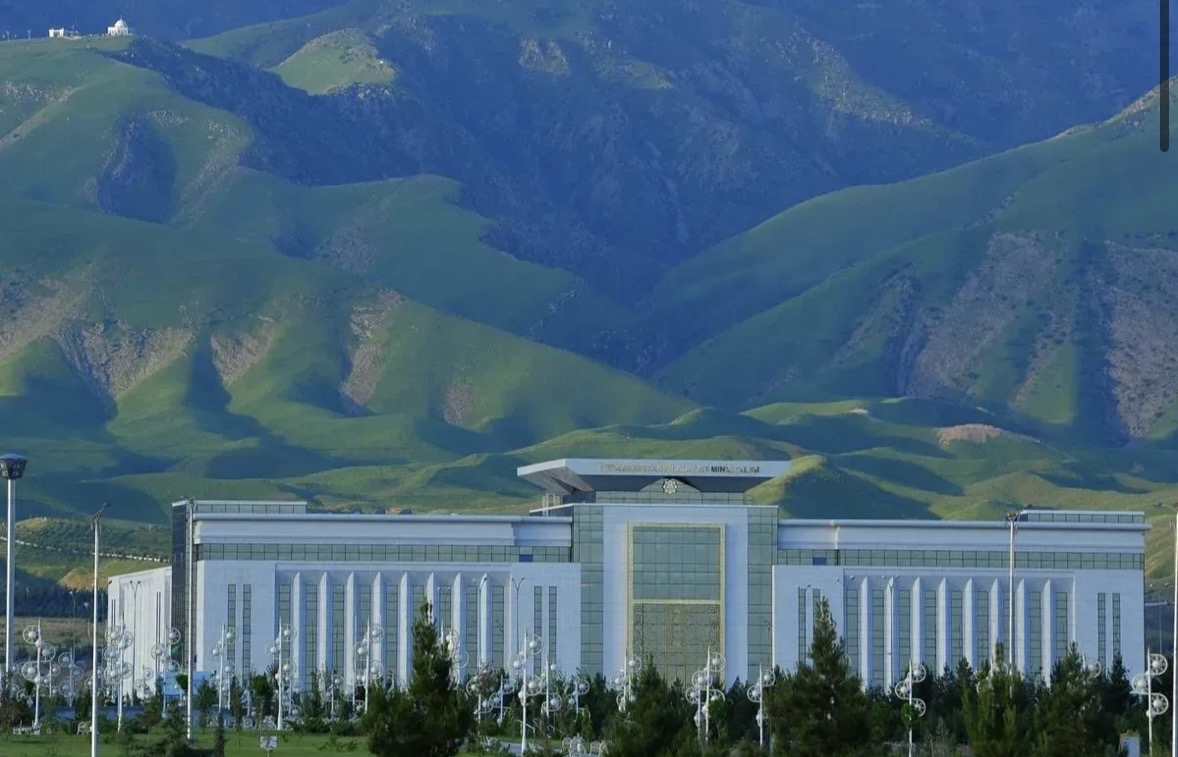


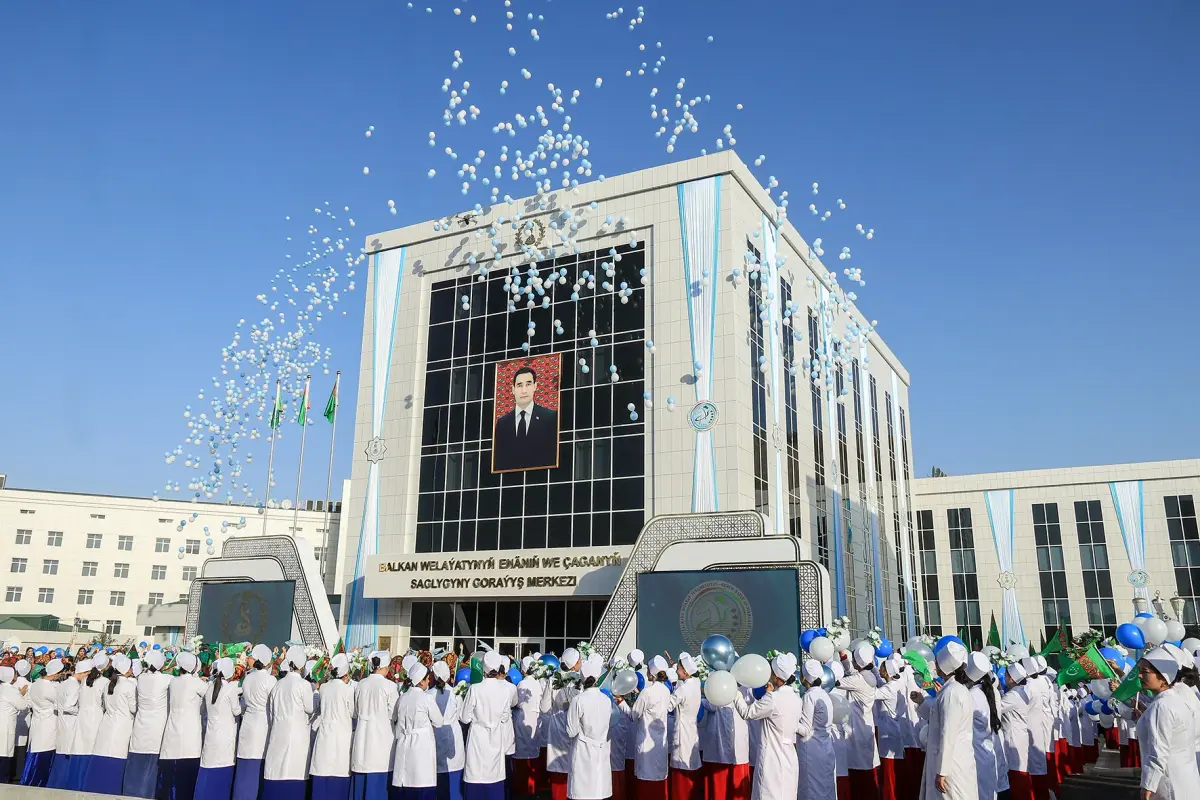
Modern Maternal and Child Healthcare Center Opens Its Doors in Balkanabat
Today in 08:38In celebration of the National Healthcare and Pharmaceutical Industry Workers' Day, a state-of-the-art Maternal and Child Healthcare Center was officially inaugurated in the city of Balkanabat. The landmark event gathered regional and municipal officials, members of the Halk Maslahaty and Parliament, healthcare professionals, and community leaders. The opening ceremony featured festive cultural performances, musical numbers, and traditional Kushtdepdi dances.
The newly constructed medical complex consists of four- and five-story buildings designed to accommodate up to 305 patients. The center houses comprehensive maternity and postnatal wards, a gynecology division, pediatric units, and diagnostic consultation departments. The facility is equipped with advanced medical technology, including MRI, CT scanners, digital mammography, and fluorography units.
Notably, the center features the region's first 10-bed neonatal intensive care unit, fully outfitted with "Medicor" incubators from Hungary and high-precision German monitoring systems. These technologies allow medical staff to continuously monitor vital stats, body temperature, oxygen saturation, and respiratory functions of newborns.
During the ceremony, outstanding builders from the "Shadiyan Gurlushyk" enterprise were honored with gifts on behalf of the President of Turkmenistan, who also donated a new fleet of vehicles to support the medical center's operations.
Blitz