
Playlist
Smithsonian Scholars Identify Sovereign Territories with the Highest Density of Volcanic Structures
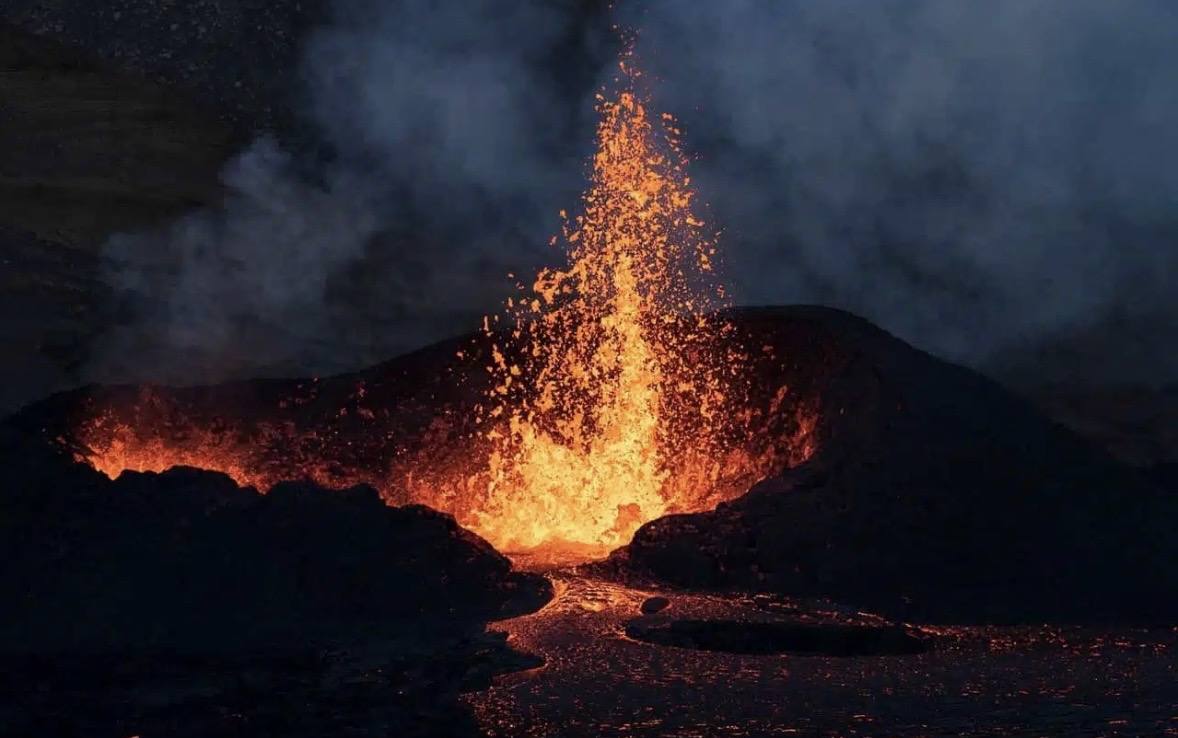
28 May. 08:39A comprehensive geological survey executed by the Smithsonian Institution’s Global Volcanism Program analyzed global seismic activity spanning the past 12,000 years to categorize planetary volcanic density. The empirical data confirms that the United States possesses the largest volume of volcanic centers worldwide, hosting approximately 165 individual units. Japan secured the second position within the global metrics, followed closely by Russia and Indonesia as the primary regions possessing vast subterranean energy fields.
The spatial distribution of these American geological features is heavily concentrated within the state of Alaska, across western mainland territories, and throughout the Hawaiian archipelago. These specific zones form an integral part of the Pacific Rim's "Ring of Fire," a massive tectonic belt stretching roughly 40,000 kilometers. High structural activity within this perimeter is driven by subduction zone dynamics, where the forced descent of tectonic plates into the mantle generates substantial magma reserves that periodically breach the crust.
While the United States maintains numerical superiority in total sites, Indonesia represents the highest ongoing threat matrix regarding active eruptions. The Southeast Asian archipelago contains roughly 101 live volcanic systems, with millions of citizens residing within high-risk geographical perimeters. Simultaneously, researchers highlight unique isolated systems like Hawaii’s Kilauea, which is sustained by a deep mantle hotspot and remains one of the most consistently active eruption sites on Earth.
Historical records highlight the immense destructive capacity of these geological forces within North American boundaries over the past century. The 1912 eruption of Mount Katmai in Alaska stands as the most cataclysmic event in modern regional history, expelling an estimated 13.5 cubic kilometers of magma into the ecosystem. International tracking networks maintain constant observation over these zones to refine predictive modeling and mitigate risks for local populations.
Also read


Nationwide Ground Stop Halts US Air Travel for Four Hours Following Major Telecommunications Failure
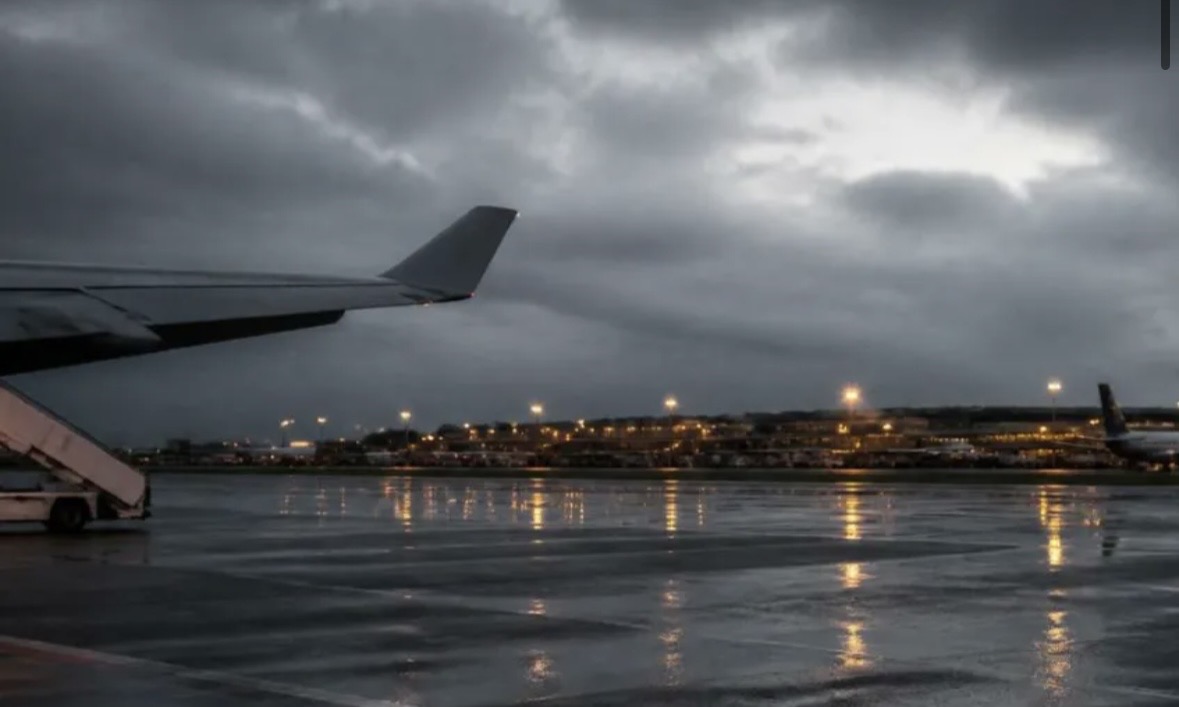
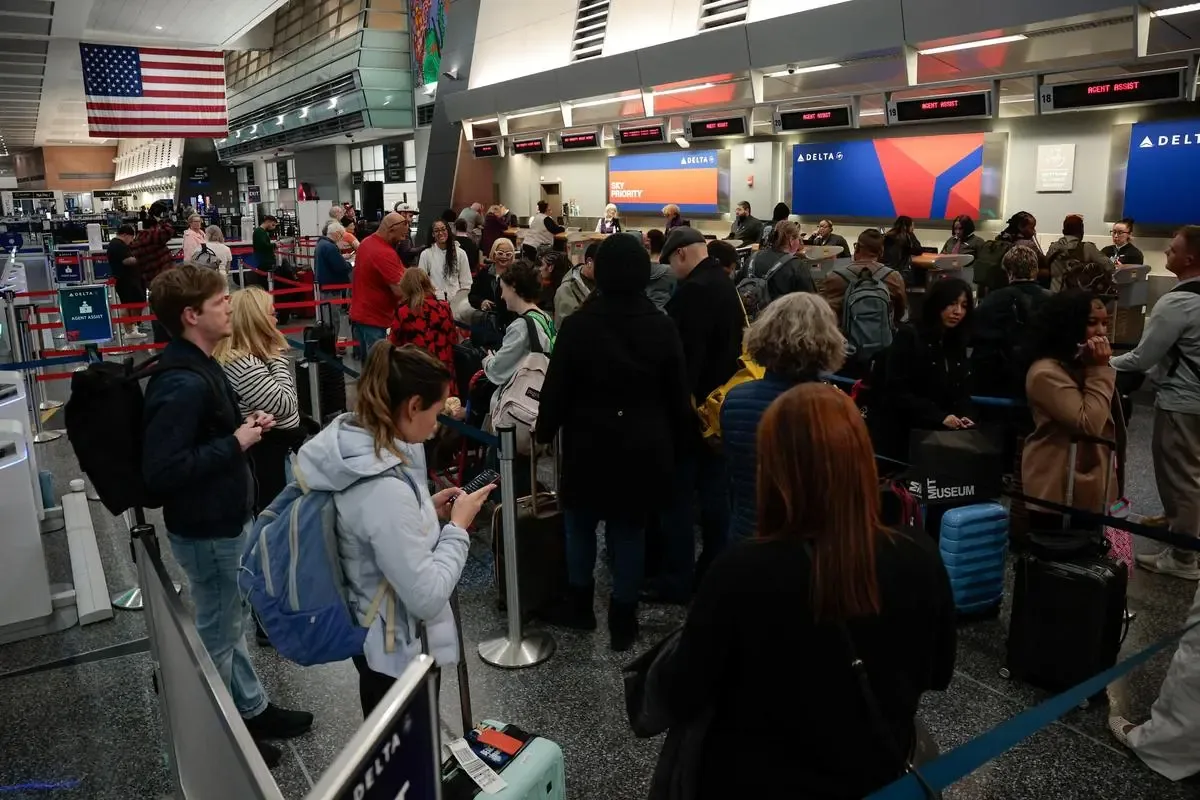
14 Nov. 07:16The United States Federal Aviation Administration (FAA) has officially lifted a nationwide ground stop that halted departures across all American airports for roughly four hours. According to CNN, the sweeping emergency suspension triggered severe disruptions throughout domestic and international aviation networks. During the four-hour freeze, airlines were forced to cancel more than 6,000 flights arriving in or departing from the United States.
Industry estimates indicate that the disruption directly impacted at least 1.5 million travelers—a figure that accounts solely for passengers whose flights were outright canceled, excluding the vast numbers affected by cascading delays. While investigators continue to determine the exact root cause of the incident, preliminary technical assessments point to a widespread failure of network routers that resulted in a major telecommunications outage, prompting the FAA to ground all outbound air traffic as a safety precaution.
Addressing concerns over potential external interference, US Secretary of Homeland Security Markwayne Mullin stated that federal authorities have found no evidence suggesting a malicious attack was behind the outage. He further clarified that the aviation communications breakdown is entirely unrelated to the widespread Microsoft system disruption that occurred earlier on November 13.
Blitz