
Playlist
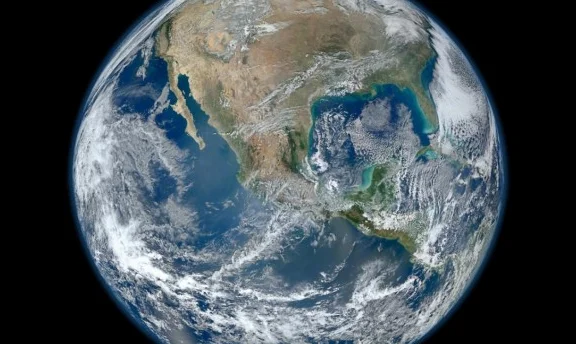
Scientists uncover the mystery behind the origin of the World Ocean
30 Aug. 12:56A team of Swiss planetologists has advanced in studying the origin of the World Ocean. They analyzed the composition of meteorites found on Earth, focusing on the ratio of manganese to chromium in them. These elements are considered volatile substances, and their presence varies depending on the distance of a celestial body from the Sun.
The research revealed that the manganese-to-chromium ratio in meteorite rock is on average 0.8. In contrast, the same ratio in Earth’s rocks is about half of that, indicating that the original material was drier with a higher concentration of chromium.
This finding led the scientists to conclude that Earth was originally much less wet than it is now and that water on the planet arrived as a result of external impacts.
Modeling of planetary formation in the Solar System suggested that if water had been accumulating gradually as the planet grew, its amount would have been much less than it is today. The study was published in the journal Science Advances.
It was also concluded that comets could not have been the cause of the World Ocean's formation, as most of these bodies come from Neptune’s orbit and contain a lot of deuterium, which is extremely rare in Earth's water.
Instead, scientists proposed the hypothesis that the World Ocean formed as a result of a collision with another celestial body around 4.5 billion years ago. However, this scenario would only be possible if the colliding object contained a lot of manganese and had a mass about 10 times smaller than Earth’s mass.
Also read

Historic Heritage and Breathtaking Nature: Turkmen Journalists Explore Balıkesir and Çanakkale
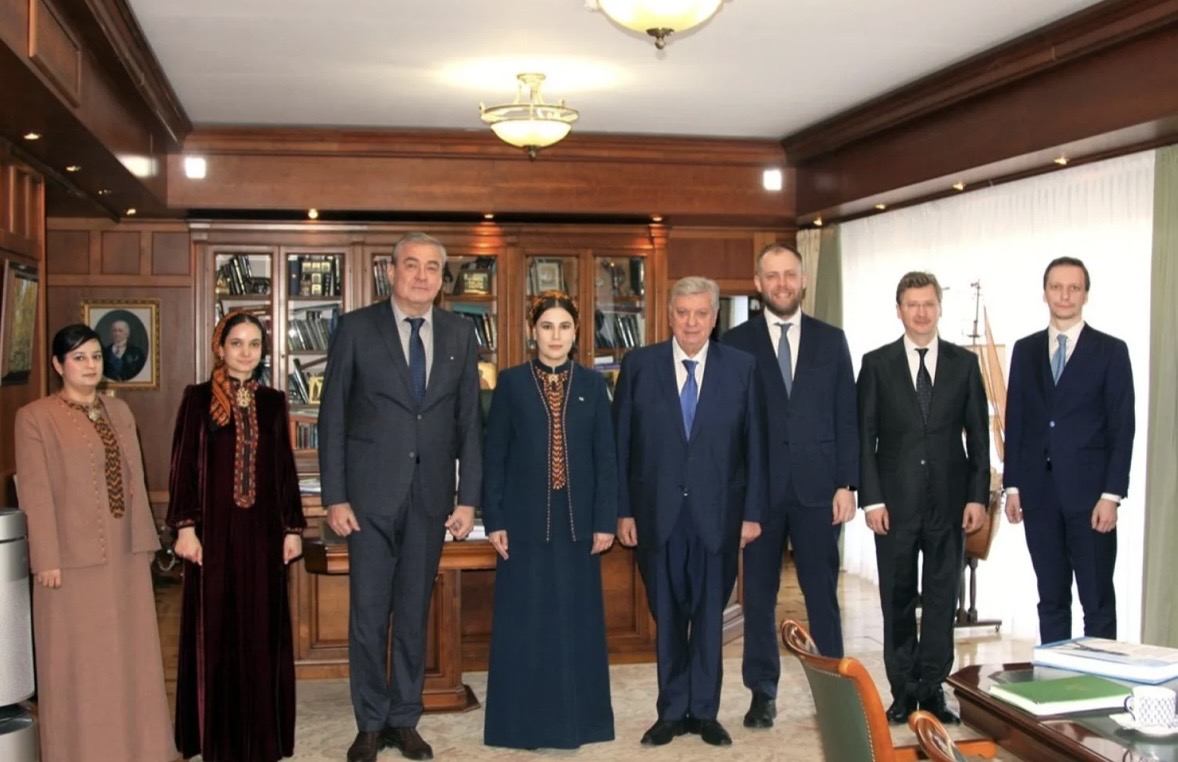
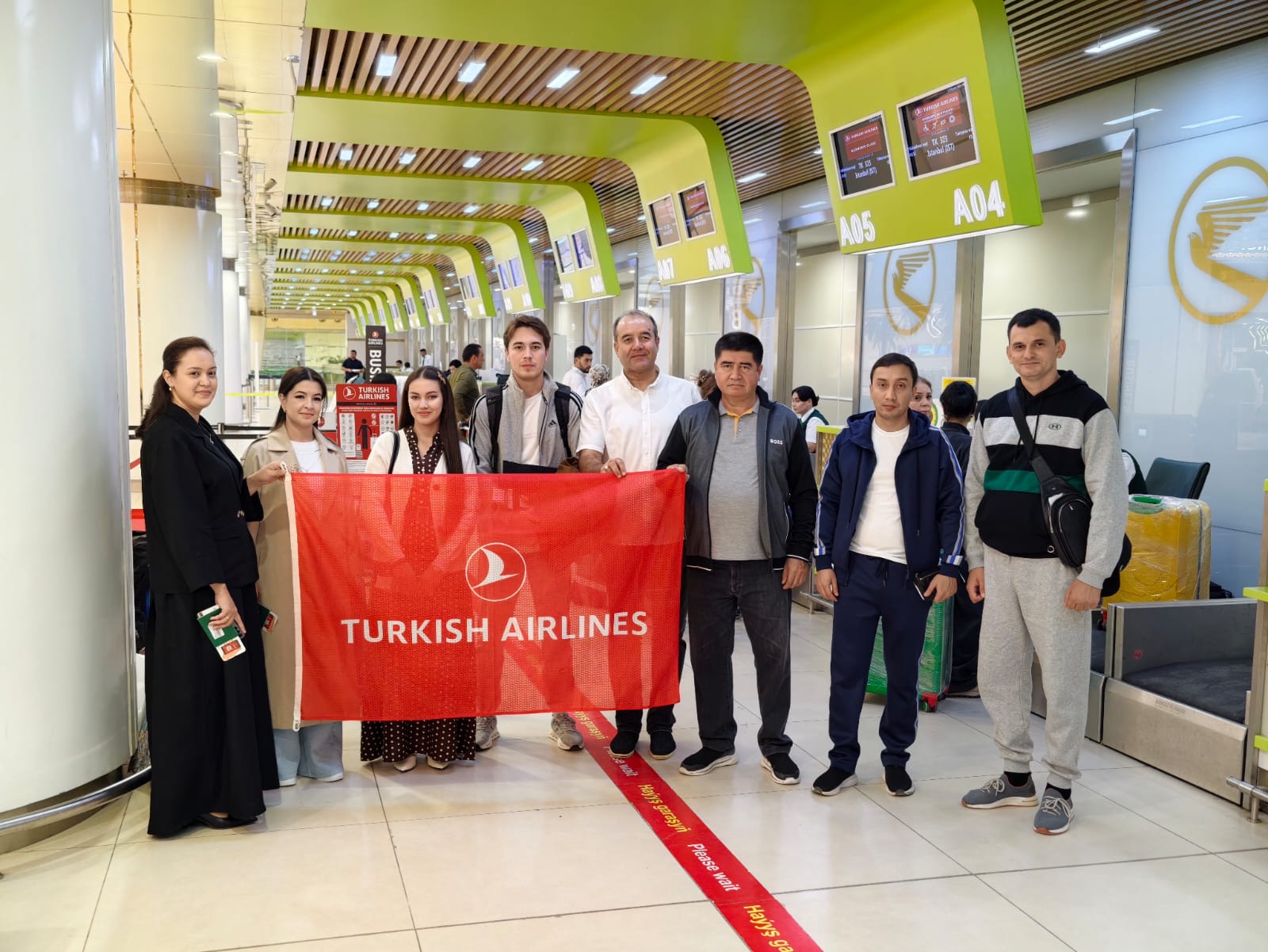
11 Oct. 15:20An international press tour for media representatives from Turkmenistan is currently underway in Türkiye, organized by the Türkiye Tourism Promotion and Development Agency (TGA) with the support of the Ministry of Culture and Tourism of the Republic of Türkiye.

The delegation includes journalists and content creators from the country’s leading public and private media outlets.
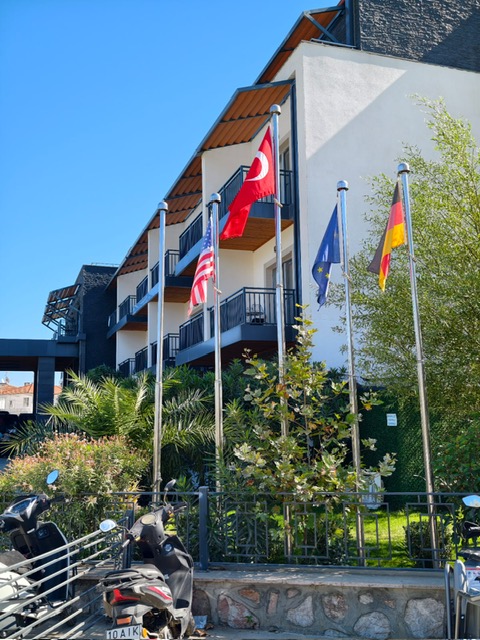
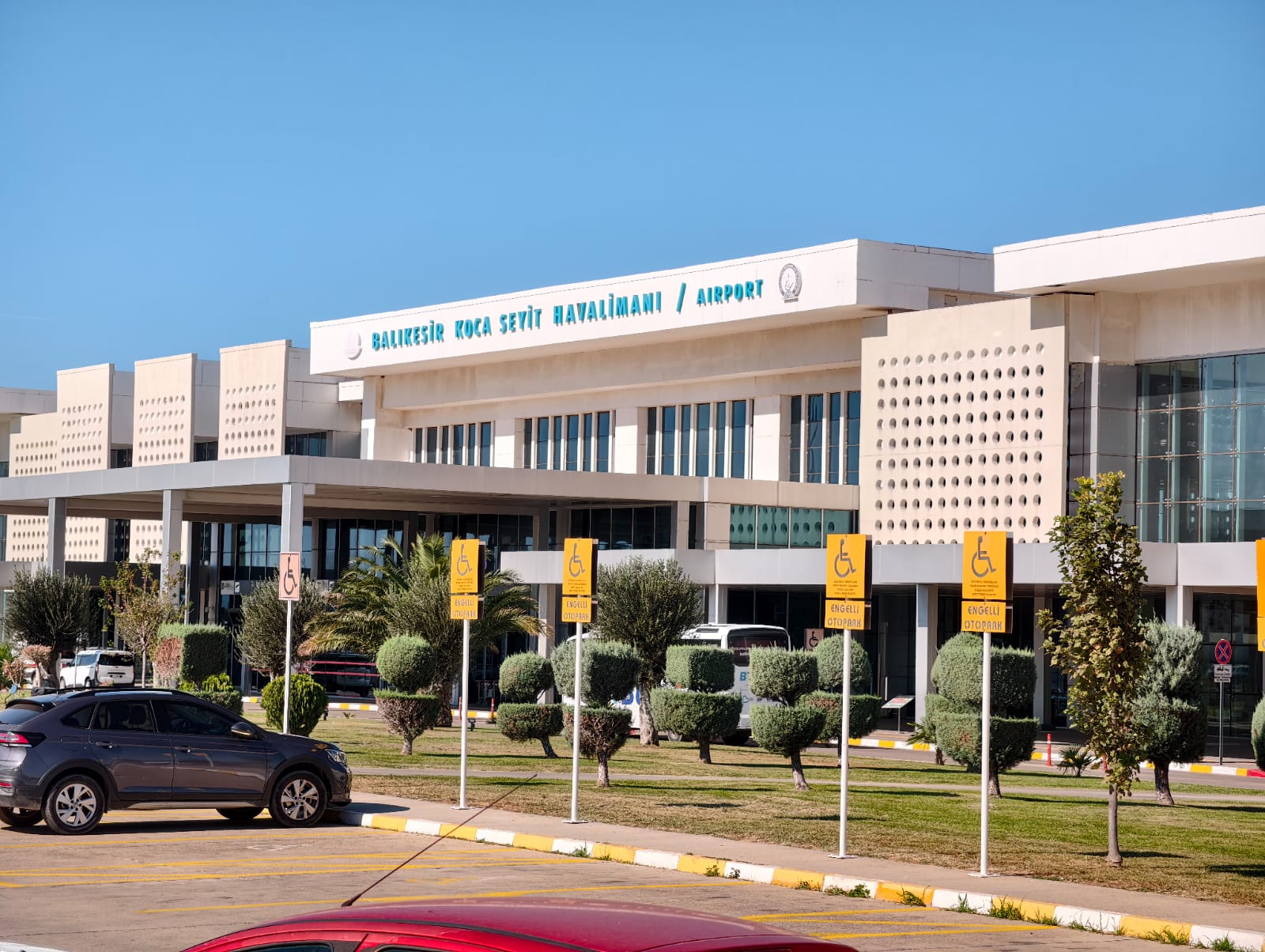
The journey through the Balıkesir region began immediately upon the delegation’s arrival at Koca Seyit Airport. The first stop on the itinerary was the picturesque Manastır Çayı area, followed by a visit to the famous Olive Oil Museum. Here, the journalists were introduced to the centuries-old traditions of olive oil production—a key gastronomic and cultural hallmark of the Aegean coast—before enjoying a walk along the scenic Güre coastline.
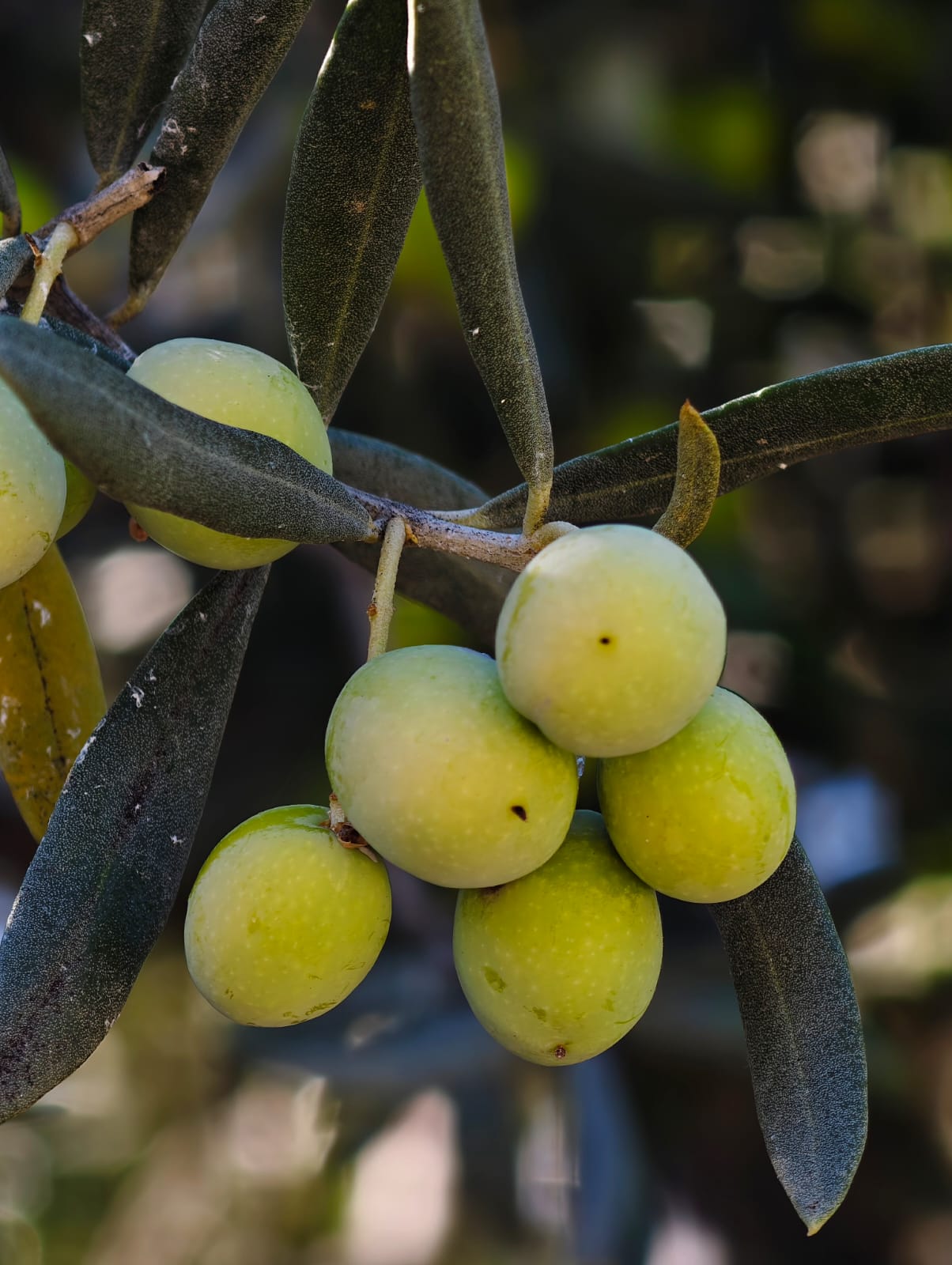
A special highlight of the program was an immersive experience in the region's unique natural landscape. Participants embarked on an exciting jeep safari through the Kazdağları National Park (historically known as Mount Ida). The journalists explored the rugged beauty of the Şahindere Canyon, refreshed themselves at ice-cold natural springs, and ascended to the legendary Altar of Zeus, which offers breathtaking panoramic views of the entire region.
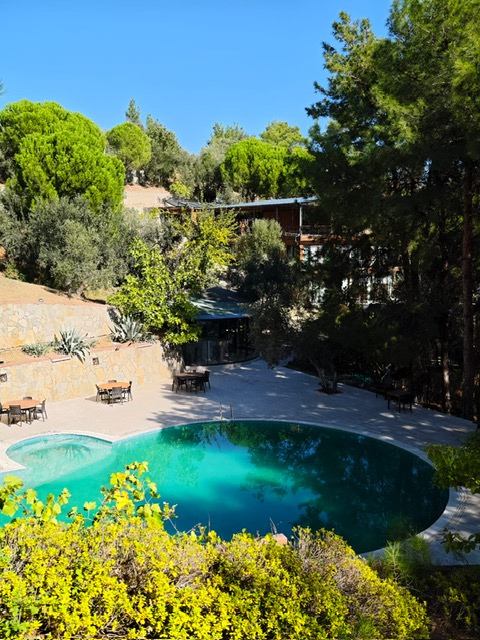
In the coming days, the press tour participants will dive into the rich history of the Çanakkale region. The itinerary includes exploring the ancient city of Assos and the Temple of Athena, viewing the iconic Trojan Horse, discovering legendary Troy along with its state-of-the-art museum complex, and paying tribute at the historic sites of Gallipoli and the Çanakkale Martyrs' Memorials.
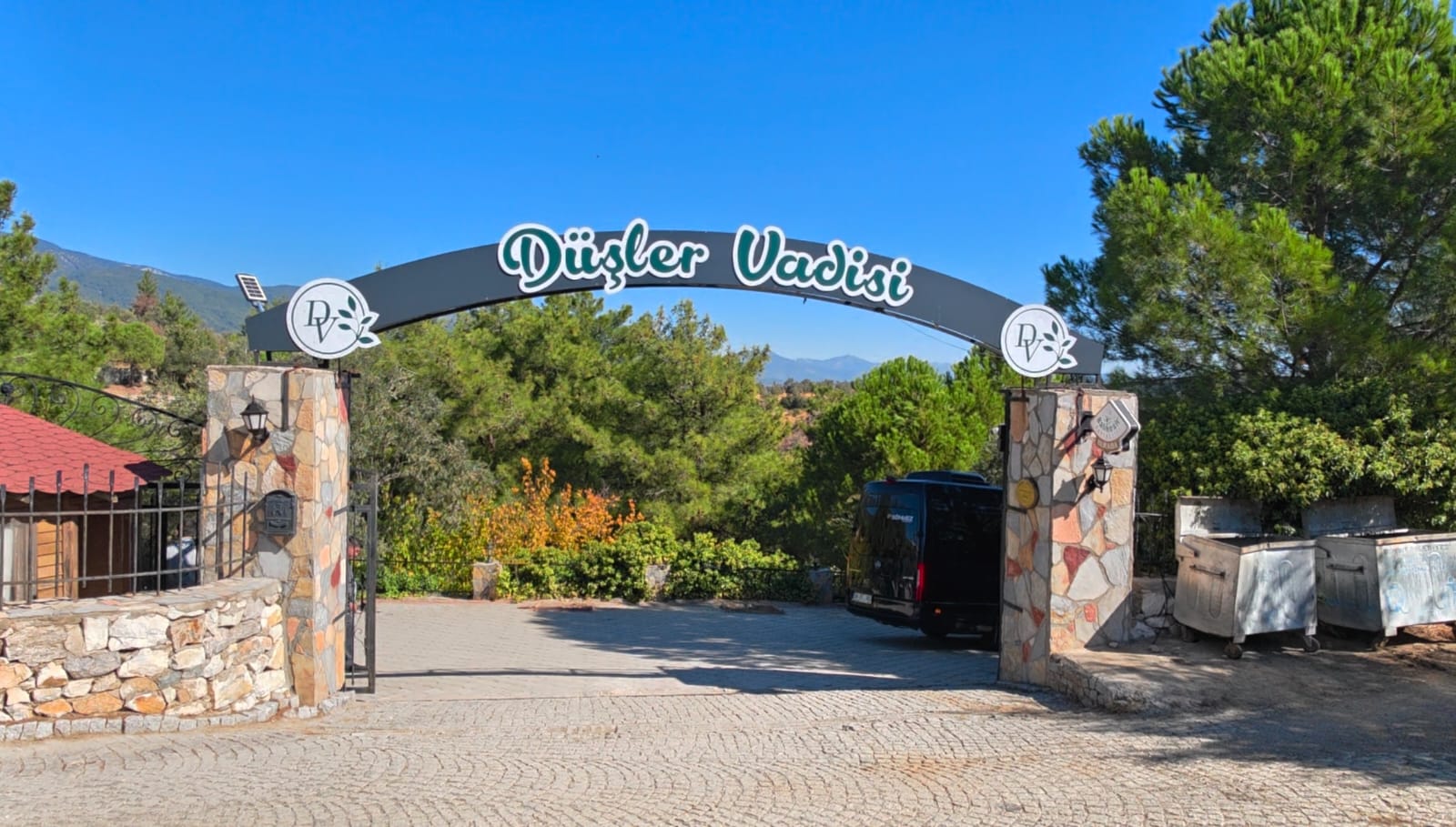
Such international media initiatives allow Turkmen journalists to gain firsthand insights into modern practices in cultural and eco-tourism, exchange professional experience with Turkish colleagues, and strengthen media collaboration between the two nations.
Blitz