
Playlist

Researchers from the Chinese Academy of Sciences have identified a previously unknown human lineage that inhabited Northern China following the last Ice Age before eventually disappearing. According to a study published in the journal Current Biology, this ancient group represents a unique genetic branch that is no longer present in modern populations. The discovery was made through the analysis of biological remains found during excavations near the Dunhuli site.
Paleogeneticists sequenced the DNA of three individuals from the site, revealing that one female was genetically linked to populations living along the Amur River 19,000 years ago, yet belonged to a distinct ancestral line. Despite their unique genetic heritage, this group shared a remarkably stable culture with their neighbors. Archaeological evidence shows that their tool-making techniques and plant-processing methods remained consistent for centuries, indicating a long-standing local tradition.
The research also uncovered a significant demographic shift in the region. DNA analysis of an individual buried in the same location just two thousand years later showed a completely different profile, closely resembling Mongolic tribes. Scientists hypothesize that the disappearance of the original northern lineage was likely caused by dramatic climatic shifts following the glacial period. These environmental pressures probably forced the population to move and adapt to new conditions.
As living conditions became more challenging, these ancient people migrated and eventually intermingled with other arriving groups. Consequently, their specific genetic markers were diluted over generations, making them nearly non-existent in the modern human genome. This discovery provides crucial insights into the complex patterns of human migration and the impact of environmental changes on the survival of early human lineages in East Asia.
Also read



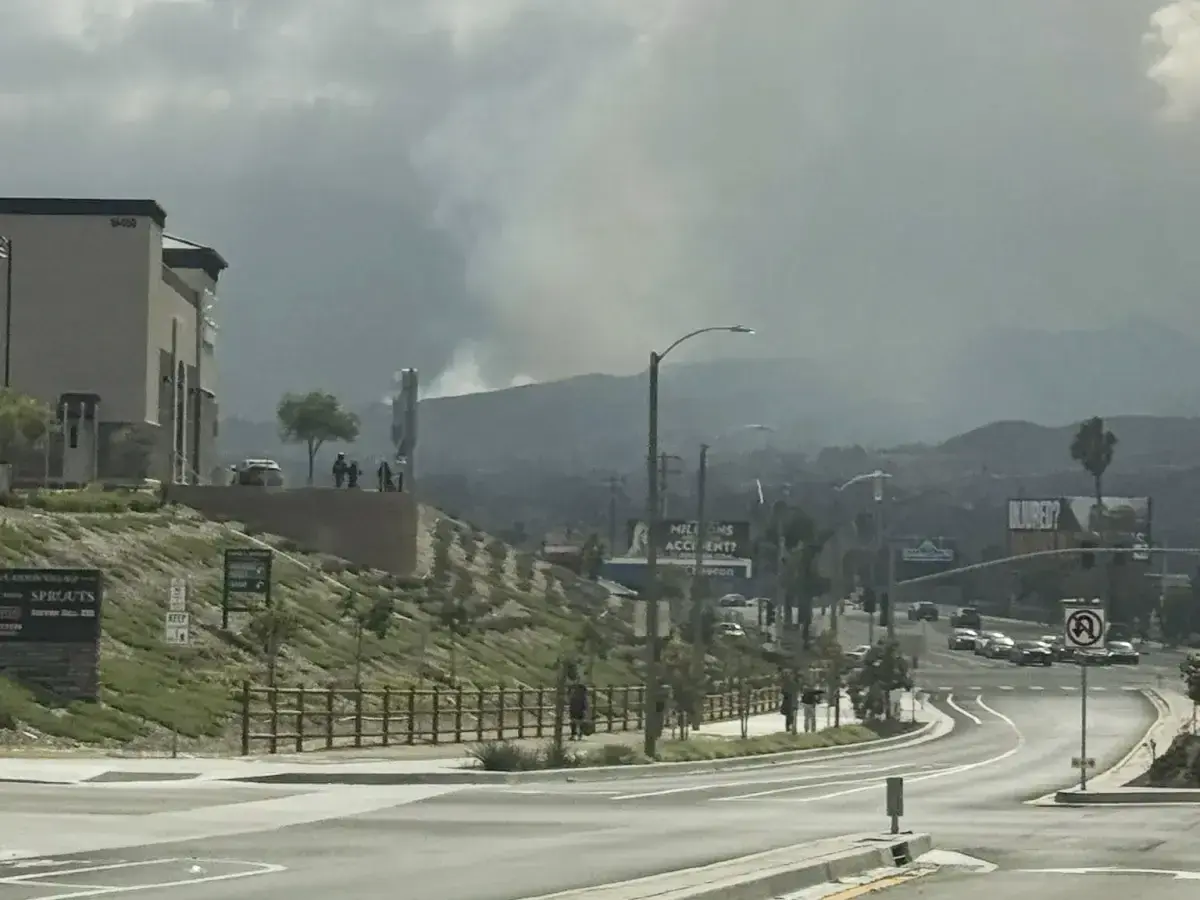
Wildfire Threat in California: Emergency Evacuations Ordered Near Los Angeles
Today in 09:33A fast-moving wildfire named "Bike" broke out near the city of Santa Clarita, just outside Los Angeles, California. Covering over 70 hectares in a short span, the blaze prompted emergency evacuation orders across eight local sectors. A temporary shelter has been established for displaced residents at the College of the Canyons in Santa Clarita while authorities investigate the cause of the fire.
Blitz