
Playlist
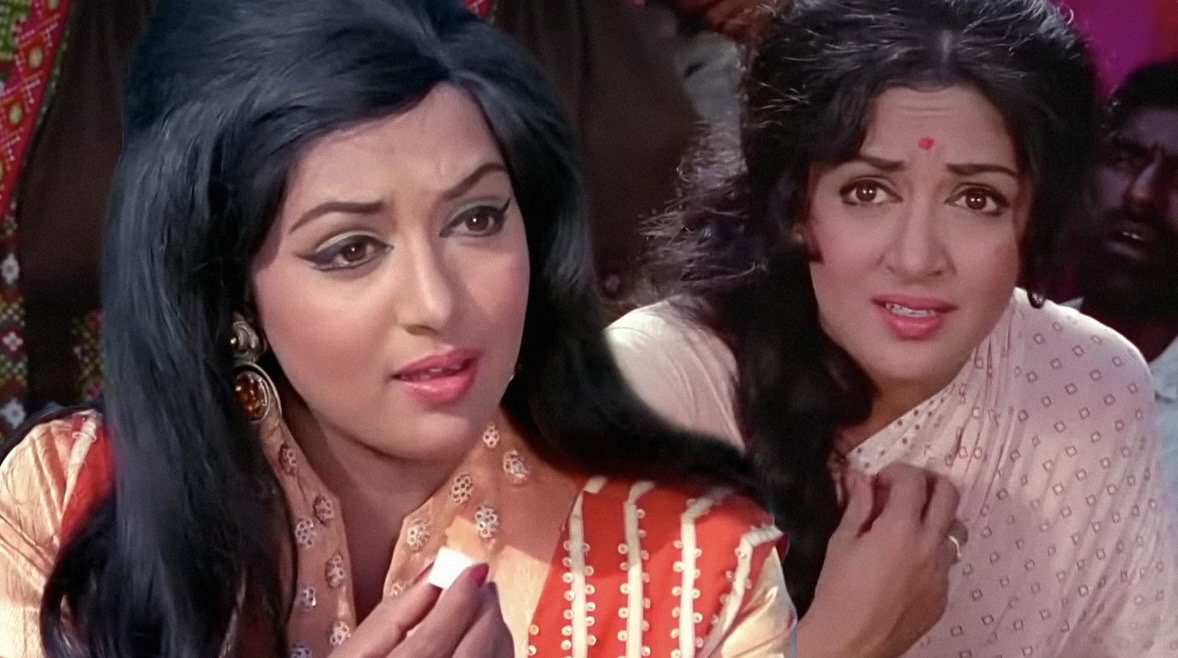
The Russian media conglomerate "Gazprom-Media" is planning to film a modern remake of the legendary Indian film "Seeta Aur Geeta," originally directed by Ramesh Sippy. According to reports from industry insiders, the lead role of the twin sisters is set to be played by Marina Kravets, a prominent actress and resident of the popular "Comedy Club" show. This project aims to bring the timeless Bollywood story to a new generation of viewers.
The new adaptation will follow the core plot of the original 1972 film — the dramatic and comedic journey of identical twins separated at birth who eventually swap lives. However, the setting will be moved from India to contemporary Russia, blending traditional storytelling with modern local contexts. This cultural crossover is expected to create a unique viewing experience for fans of both Indian cinema and Russian comedy.
The original "Seeta Aur Geeta" was a massive box-office success in India upon its release and achieved cult status in the former Soviet Union. Premiering in the USSR four years later, the film drew an astonishing 55 million viewers, making it one of the most successful foreign films in Soviet history. Its iconic characters and catchy music have remained popular across many post-Soviet states for decades.
Producers hope that by casting Marina Kravets, whose comedic timing and musical background are well-known, they can capture the energetic and light-hearted spirit of the original. While specific filming dates and the rest of the cast are yet to be finalized, the announcement has already generated significant buzz. The remake serves as a testament to the enduring influence of Indian cinema on global culture.
Also read
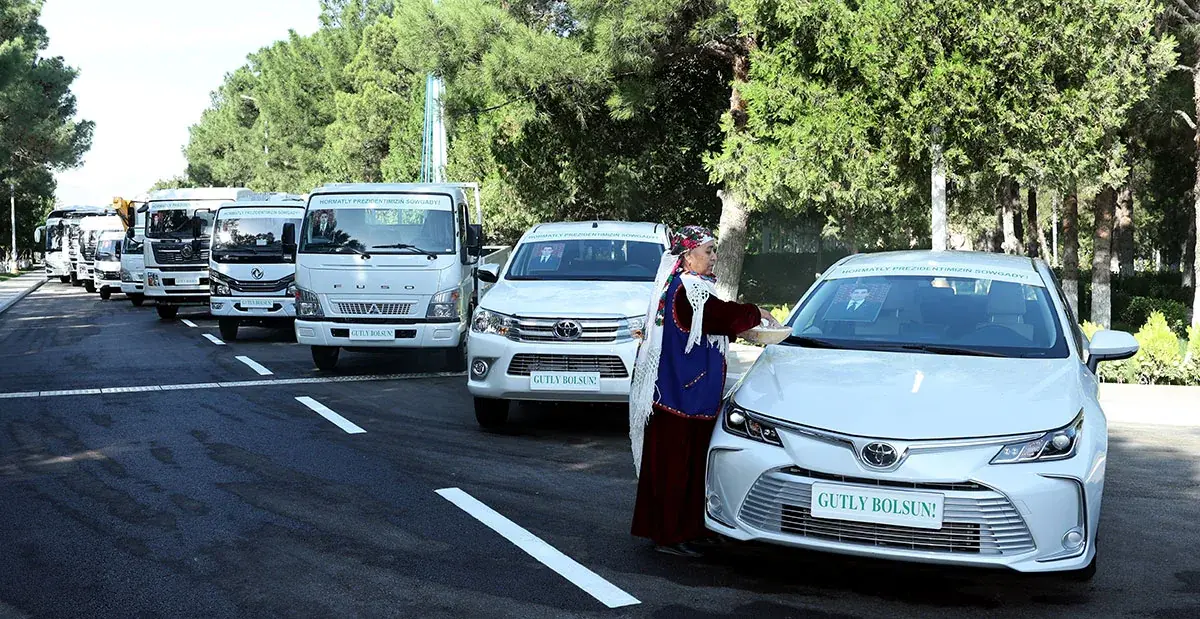
Modernization Milestones: Archman Health Resort Receives New Vehicle Fleet and International Quality Certificates
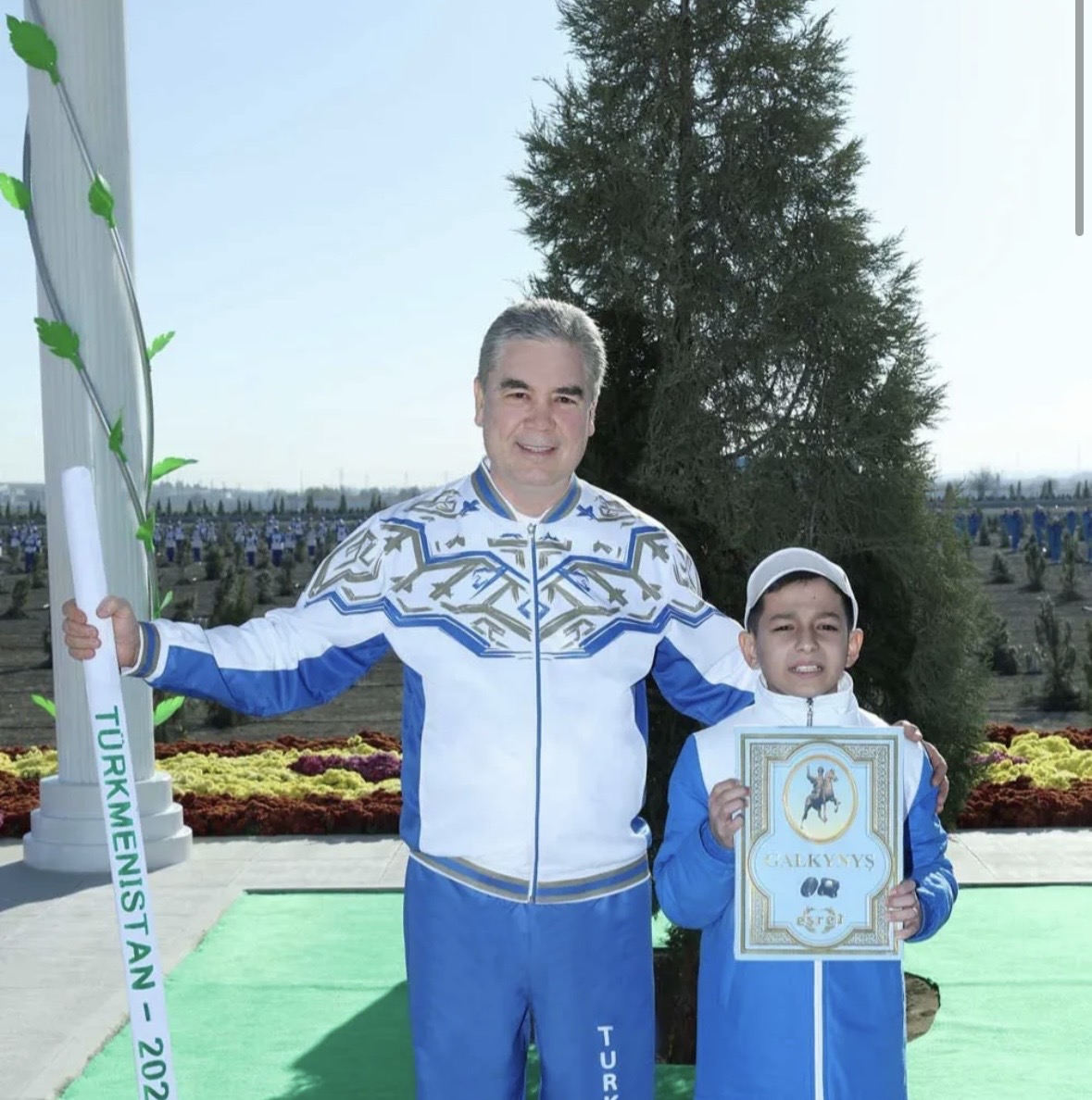
10 Oct. 09:50During the inauguration of a new medical and treatment complex at the Archman Health Resort, specialized vehicles were presented on behalf of President Serdar Berdimuhamedov. The keys to the fleet were presented by the National Leader of the Turkmen People, Gurbanguly Berdimuhamedov. Concurrently, the resort was awarded prestigious international certificates from ASKIN & CO GmbH, Med-Lab-GmbH, BTL Industries Limited, H2S in Balneology Global Initiative, and the Academy of Balneology and Climatology, recognizing its state-of-the-art diagnostic equipment and balneological standards.
To mark the occasion, the Chairman of the Halk Maslahaty signed the resort's Guest of Honor book, while healthcare professionals presented the National Leader with a handmade Turkmen carpet as a expression of gratitude.
Blitz