
Playlist
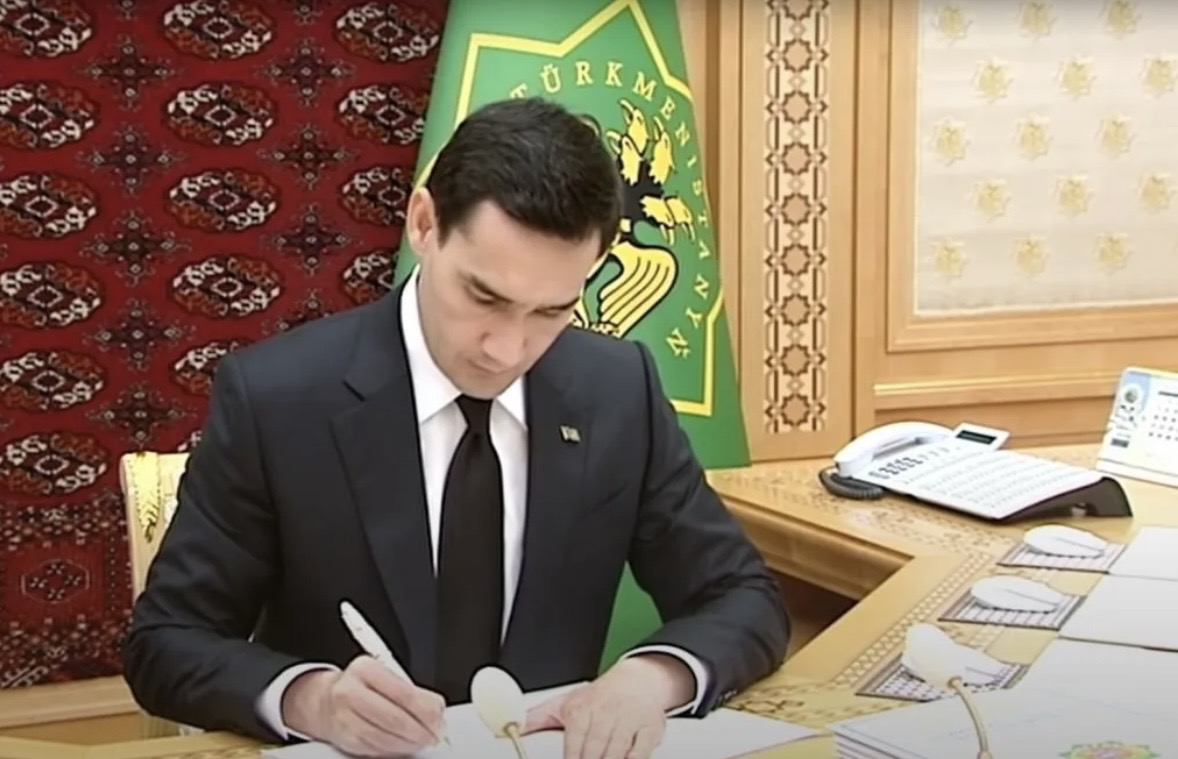
Presidential Decrees Announce Key Appointments Within Turkmenistan’s Prosecutor's Office
07 May. 04:07President Serdar Berdimuhamedov, acting in accordance with the Law "On the Prosecutor's Office of Turkmenistan," has signed several decrees regarding the appointment and dismissal of prosecutors across the country. These official actions are part of a regular administrative rotation designed to enhance the efficiency of the nation's legal and supervisory framework. The decisions involve high-level structural changes in several regional and district-level prosecutorial bodies, ensuring a continuous renewal of leadership within the judiciary system.
The decrees specify the appointment of new chief prosecutors for various districts and cities in the Ahal, Balkan, Dashoguz, and Lebap regions. Additionally, a new Deputy Prosecutor for the Mary region has been designated. Some officials were relieved of their duties following the completion of their statutory terms of office, while others were reassigned to different territorial jurisdictions to apply their expertise in new capacities. This strategic reshuffling targets both general supervisory roles and specialized positions, such as oversight of correctional facilities.
These personnel changes underscore the government's commitment to maintaining a robust and professional legal oversight system. By assigning experienced legal advisors and jurists to critical positions, the administration aims to reinforce the rule of law and guarantee the protection of public interests. The rotation is also intended to prevent administrative stagnation and ensure that provincial prosecutorial offices operate with renewed rigor and accountability.
The newly appointed officials are expected to uphold the highest standards of legal integrity as they begin their tenures in their respective regions. As Turkmenistan continues to modernize its legal infrastructure, the role of the Prosecutor's Office remains central to safeguarding national stability and ensuring that regional governance aligns with federal laws. These appointments reflect the ongoing systematic efforts to strengthen the country's law enforcement and judicial apparatus.
Also read

Solar Mini-Grids to Power Remote Communities Across Turkmenistan Under New Four-Million-Dollar UNDP Initiative
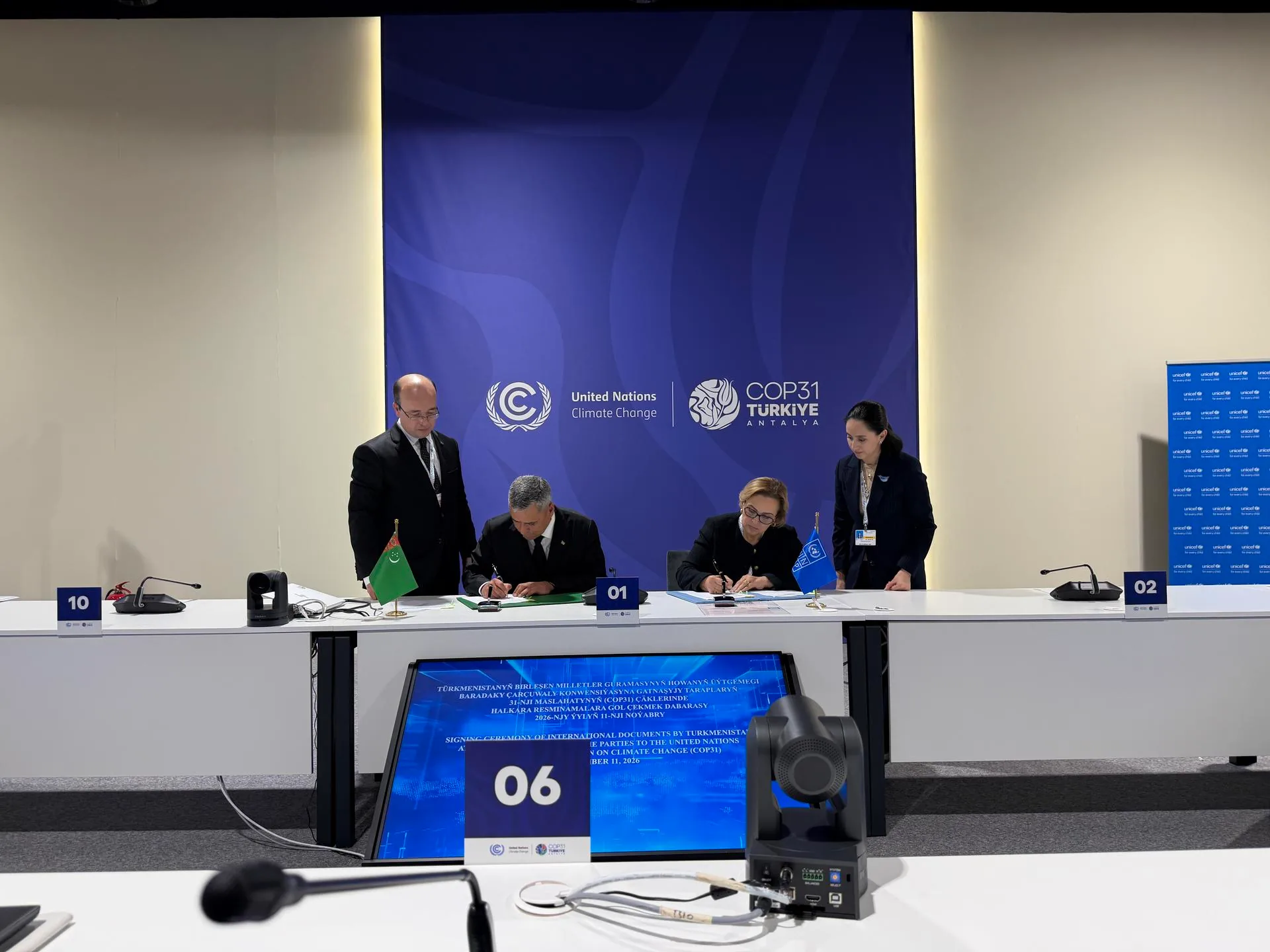
13 Nov. 14:30Following the landmark climate agreements signed on the sidelines of the COP31 conference in Antalya, the United Nations Development Programme (UNDP) has unveiled comprehensive details regarding its upcoming clean energy partnership with the Government of Turkmenistan. Backed by a Global Environment Facility (GEF) grant exceeding 4.17 million US dollars, the five-year project titled "Supporting Energy Transition for Remote Settlements of Turkmenistan" will be executed by the United Nations Office for Project Services (UNOPS) in close coordination with Turkmenistan's Ministry of Environmental Protection and Ministry of Energy.
A central pillar of the initiative involves installing and commissioning up to ten pilot solar mini-power plants with a combined capacity of up to 2 MW in isolated communities that currently rely heavily on diesel generators for electricity. These demonstration facilities will showcase the viability of solar power across Turkmenistan's remote regions and establish a blueprint for broader clean energy adoption. Building upon the operational experience gained from these initial sites, experts will conduct feasibility assessments and prepare tailored technical solutions for potentially deploying solar energy systems in an additional 120 remote settlements.
Beyond physical infrastructure, the project focuses on strengthening the regulatory and institutional framework for renewable energy, training local specialists, and expanding domestic technical expertise. UNDP Resident Representative in Turkmenistan Narine Sahakyan noted that expanding access to reliable, clean electricity significantly enhances community resilience and human well-being—particularly for women and vulnerable groups—by translating national ambitions into tangible investments. The program directly supports Turkmenistan's National Strategy for the Development of Renewable Energy through 2030, advancing the country's commitments under the Paris Agreement and the United Nations Sustainable Development Goals.
Blitz