
Playlist
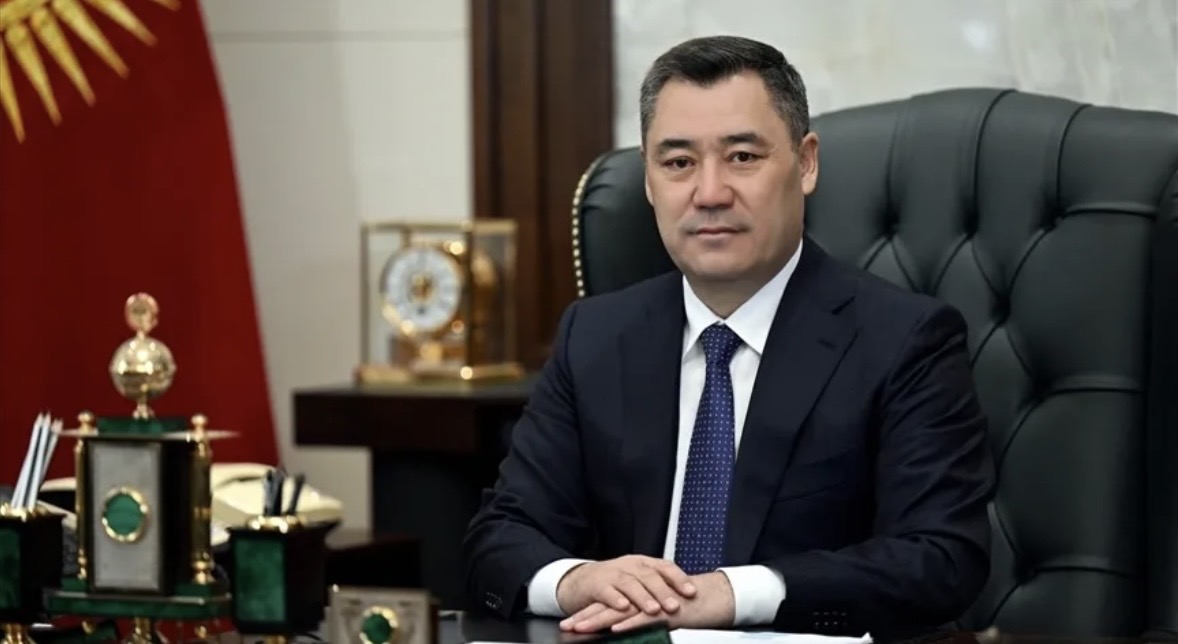
Kyrgyz President Sadyr Japarov is scheduled to participate in the commemorative events held in the nation’s capital, Bishkek, to mark Victory Day. According to the presidential administration, the head of state will preside over the official ceremonies honoring the veterans of World War II. This decision confirms that the national leadership will focus its attention on domestic observances during this important historical anniversary.
Earlier, discussions had surfaced regarding a potential visit by Japarov to Moscow for the military parade on Red Square. On April 23, Kremlin spokesperson Dmitry Peskov mentioned that Japarov would be a welcomed guest in the Russian capital should he choose to attend. However, current reports indicate that the Kyrgyz leader’s schedule is primarily oriented toward leading the commemorative activities at the Victory Square in Bishkek.
The planned program in Bishkek includes a wreath-laying ceremony at the Eternal Flame and a moment of silence to honor the fallen. President Japarov's presence at these events underscores the national commitment to upholding the historical legacy and recognizing the sacrifices made by the people of Kyrgyzstan. His address to the nation is expected to highlight the importance of unity, peace, and the preservation of historical truth for future generations.
The presidential administration emphasized that Victory Day remains a significant occasion for expressing gratitude to the country’s surviving veterans. Across Kyrgyzstan, local authorities have prepared social and cultural programs to support and honor those who served. The President’s involvement in the main capital ceremonies remains the central highlight of the national holiday calendar for May.
Also read


A rye-wheat loaf preserved in a freezer for 36 years has been put on public display as part of the permanent exhibition at the Deutschlandmuseum in Berlin. Dubbed "The Last Loaf of the GDR," it was originally purchased on June 26, 1990, by student Michael Hagedorn, who bought an extra loaf fearing potential food shortages amidst the economic unification of East and West Germany.
The museum's director, Robert Rückel, described the unusual artifact as a unique poignant symbol of everyday human decisions during times of monumental geopolitical change. To maintain its preserved state, the museum installed a custom refrigeration unit where the historical loaf remains permanently frozen for visitors to view.
Blitz