
Playlist
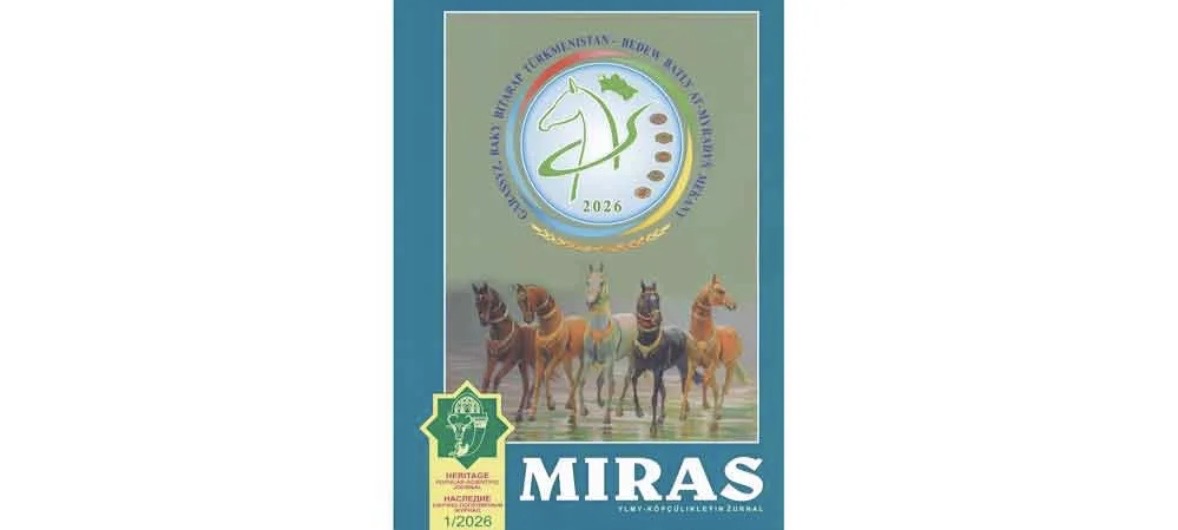
The latest issue of the quarterly scientific and popular journal "Miras," published by the Magtymguly Institute of Language, Literature, and National Manuscripts of the Academy of Sciences of Turkmenistan, has been released. Aimed at a broad audience, the publication features a series of articles detailing recent discoveries and research outcomes regarding the historical, cultural, and spiritual heritage of the Turkmen people.
The "New Scientific Discoveries" section opens with an article titled "The Horse — A Symbol of Turkmenistan's Peaceful Foreign Policy." The author explores the profound love for Ahalteke horses as reflected in classical literature and the research of world-renowned scholars. Significant emphasis is placed on the findings of the archaeological expedition led by Professor V.I. Sarianidi, which highlights ancient cultural artifacts related to equine traditions. Another feature in this section examines the wisdom preserved in folk omens and folklore concerning the historical role of the horse.
The journal also presents a study on Mahmud Kashgari’s fundamental work, "Dīwān Lughāt al-Turk." Referencing the insights of the National Leader of the Turkmen people, the article emphasizes the global significance of this book as a unique guide to the history, spiritual culture, and evolution of Turkic peoples. This research provides a deeper understanding of how cultural traditions have been meticulously passed down through generations.
In the section "Interactions of Cultures, Peoples, and Civilizations," an article analyzes the concept of the "universe" in the poetry of Magtymguly Pyragy. Based on original manuscripts, the authors explore the poet’s aesthetic, moral, and philosophical worldview. Notably, co-author Jiaxin Sui, a postgraduate student from China at Magtymguly Turkmen State University, notes that modern Chinese academia is showing increasing interest in studying the life and legacy of the great Turkmen poet.
The current issue of "Miras" concludes with a comprehensive list of articles published throughout 2025. Numerous high-quality photographs of museum artifacts and archival documents enrich the written content, providing additional context for the readers. Published in Turkmen, English, and Russian, the journal continues to be an accessible and vital resource for the international scholarly community.
Also read
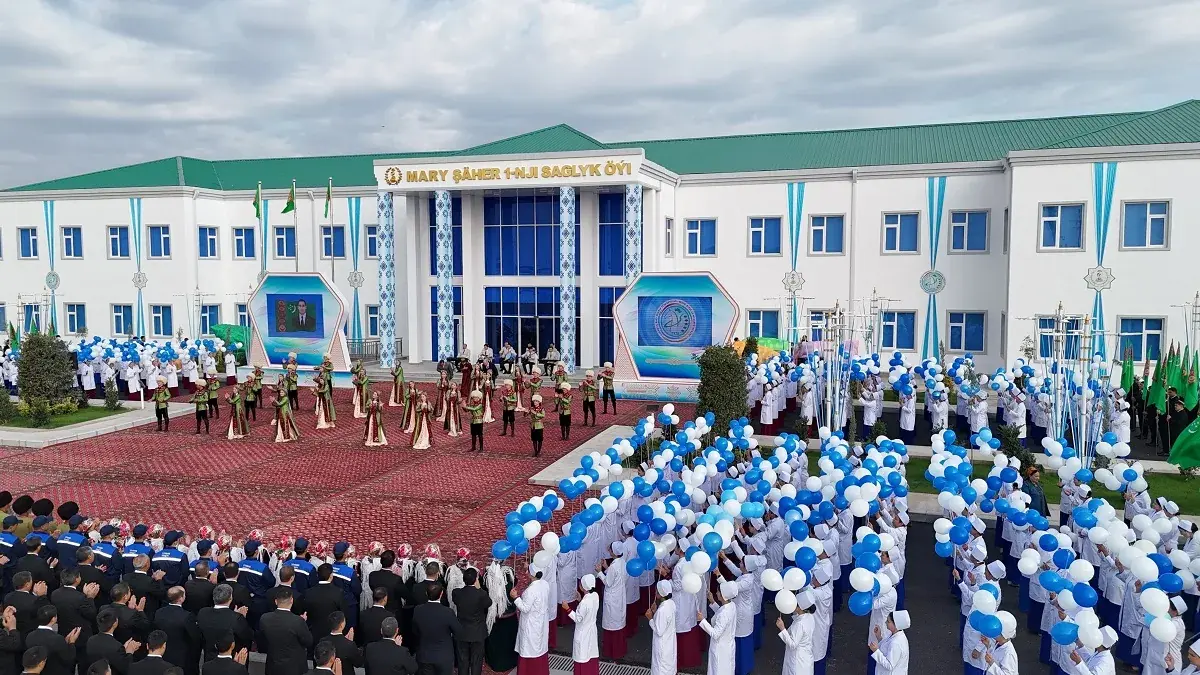
To mark the National Healthcare and Pharmaceutical Industry Workers' Day, Health Center No. 1 in Mary, located along Oguzkhan Street, was officially reopened following a comprehensive structural renovation. The inauguration ceremony brought together regional administration officials, members of parliament and the Halk Maslahaty, healthcare specialists, community elders, and local students. Festive musical and theatrical performances by cultural groups and young talents added to the celebratory atmosphere.
The newly reconstructed two-story medical complex is outfitted with state-of-the-art diagnostic and treatment rooms, family medicine suites, bacteriological and physiotherapy departments, as well as specialized laboratories. Equipped with advanced European medical technology, the center offers a full suite of services including ultrasound, echocardiography, electrocardiography, and endoscopy.
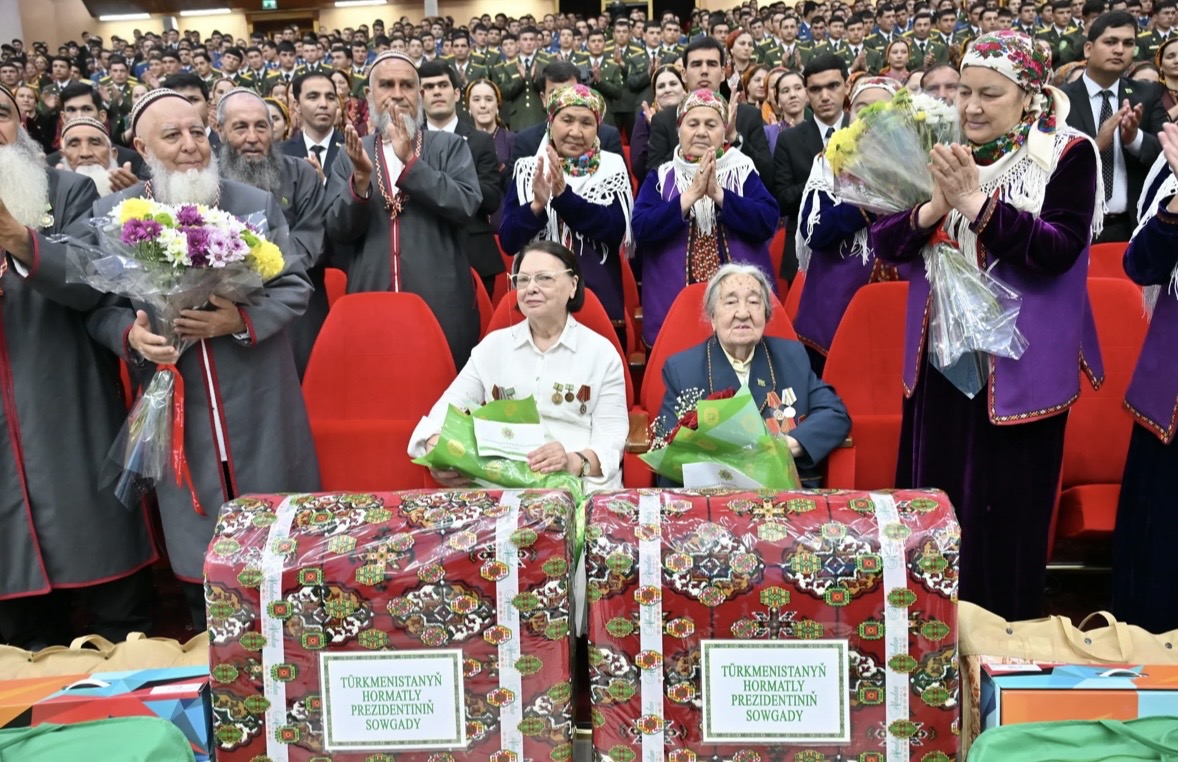
The renovation project was successfully carried out by the local private construction enterprise "Yhlasa Ynam." During the official ceremony, outstanding construction workers were awarded valuable commemorative gifts presented on behalf of the President of Turkmenistan.
Additionally, to boost mobile diagnostic capabilities in the region, a fully equipped "Mercedes-Benz" mobile medical unit featuring digital X-ray and fluorography technology was officially presented to the health center on behalf of the Head of State.
Blitz