
Playlist
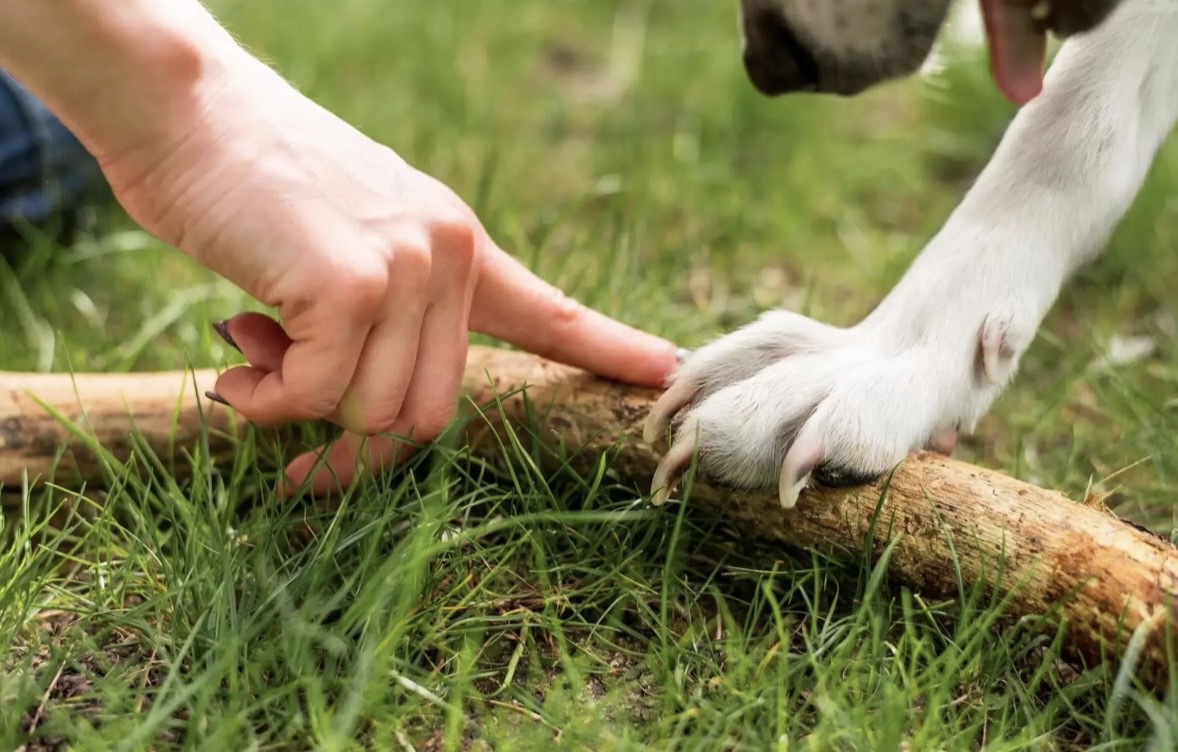
Domestic Dog Survives Severe Ural Tornado and Returns to Destroyed Homestead
01 Jul. 08:32A domestic pet that was swept away by a violent vortex during a recent destructive storm in the Ural region has successfully navigated its way back to its owners' property after a week-long absence. Local volunteers inspecting the damaged area discovered the missing animal waiting faithfully among the debris of a collapsed residential building.
The extreme weather event struck the settlement of Kushva with wind speeds intense enough to lift a canine shelter with the animal inside, transporting it into a neighboring forest zone. Despite sustaining multiple physical injuries during the airborne incident and subsequent landing, the animal survived and managed to trek back to the grid coordinates of its former home.
Search-and-rescue volunteers operating within the disaster sector secured the animal, provided emergency monitoring, and initiated immediate efforts to locate the registered owners. Within approximately thirty minutes, the pet’s owner was successfully identified, and the animal was formally reunited with its family.
The severe weather system originally crossed the territory of the Sverdlovsk Oblast in the Russian Federation on June 22. The meteorological anomaly resulted in widespread structural damage to local real estate assets, tore roofs off houses, and caused extensive damage to civilian automotive vehicles parked outside.
As a direct consequence of the damaged energy infrastructure, approximately four thousand individual households were left completely without electricity supply. Furthermore, several other surrounding rural settlements and municipal sectors experienced significant operational disruptions due to the impact of the storm.
Also read



A rye-wheat loaf preserved in a freezer for 36 years has been put on public display as part of the permanent exhibition at the Deutschlandmuseum in Berlin. Dubbed "The Last Loaf of the GDR," it was originally purchased on June 26, 1990, by student Michael Hagedorn, who bought an extra loaf fearing potential food shortages amidst the economic unification of East and West Germany.
The museum's director, Robert Rückel, described the unusual artifact as a unique poignant symbol of everyday human decisions during times of monumental geopolitical change. To maintain its preserved state, the museum installed a custom refrigeration unit where the historical loaf remains permanently frozen for visitors to view.
Blitz