
Playlist

Farid Mukhametshin, the long-standing Chairman of the State Council of the Republic of Tatarstan, has officially announced his early resignation from his position and his role as a deputy. According to "Gazeta.ru," citing the press service of the regional parliament, Mukhametshin described this as a difficult but necessary decision. His departure marks the end of an era for one of Russia's most influential and stable regional legislative bodies.
Mukhametshin had held the post of Chairman since May 27, 1998, serving for nearly 28 consecutive years. Throughout his tenure, he played a crucial role in shaping the legislative landscape of Tatarstan and strengthening its position within the Russian Federation. His leadership was characterized by a focus on economic development, social stability, and the preservation of the republic's cultural identity through legal frameworks.
His political career, which began in the 1970s, included serving as the Prime Minister of Tatarstan from 1995 to 1998 before taking the helm of the parliament. Mukhametshin’s experience spanned decades of significant political and economic shifts, making him a central figure in the republic's modern history. In his farewell statement, he expressed gratitude to his colleagues and the public for their support over the years.
Following his resignation, Marat Akhmetov, the Deputy Chairman, will serve as the acting head of the State Council until a new speaker is officially elected. Political analysts suggest that Mukhametshin’s departure will lead to a transition period within the regional government as new leadership takes shape. His legacy in regional governance and parliamentary diplomacy will remain a significant part of Tatarstan's political foundation for years to come.
Also read



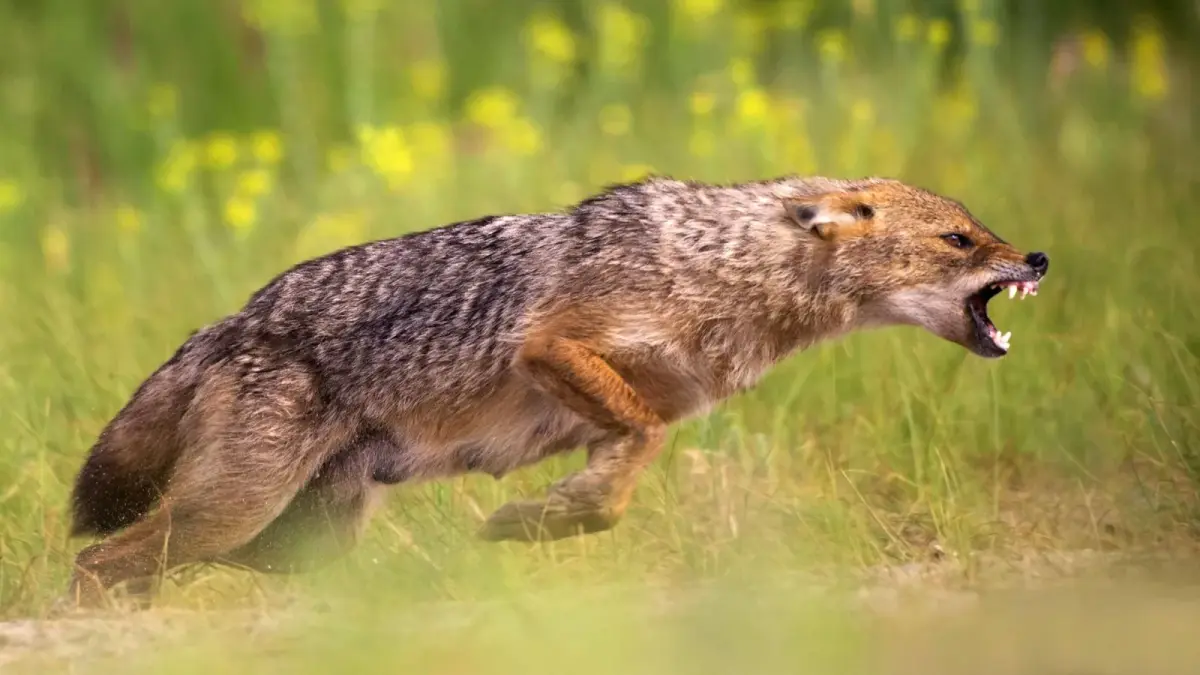
Ecological Shift: Golden Jackals Pro Projected to Inhabit 75% of the European Continent
Today in 06:53Once restricted mainly to the Balkans and the Black Sea coastal regions, golden jackals are rapidly expanding their footprint across Europe. According to a landmark study by an international research team published in Nature Ecology & Evolution, these adaptable predators could eventually inhabit up to 75% of the European continent—nearly a sixfold expansion from their historical range. Scientists arrived at these conclusions after monitoring nearly 9,000 sampling sites across multiple European nations.
Recent sightings and acoustic tracking confirm that jackals have established populations in the Czech Republic, the Baltic region, and even Scandinavia. The species thrives in areas with mild winters, mixed agricultural landscapes, and proximity to water sources. Regional climate warming has transformed previously uninhabitable northern areas into suitable habitats, while farming landscapes offer abundant food sources and coverage.
Biologists attribute this unprecedented expansion primarily to the historical decline of wolf populations, which naturally suppress jackal numbers and limit their movement. Smaller than wolves but slightly larger than foxes, jackals feed on small rodents, carrion, plants, and fruits. Their high ecological adaptability allows them to settle efficiently into newly colonized territories without human interference.
However, their entry into Western and Southern Europe, including countries like France and Spain, poses potential ecological consequences. Environmentalists warn that the arrival of jackals could disrupt local ecosystems and threaten endangered ground-nesting steppe birds and smaller wildlife across the Iberian Peninsula.
Blitz