
Playlist
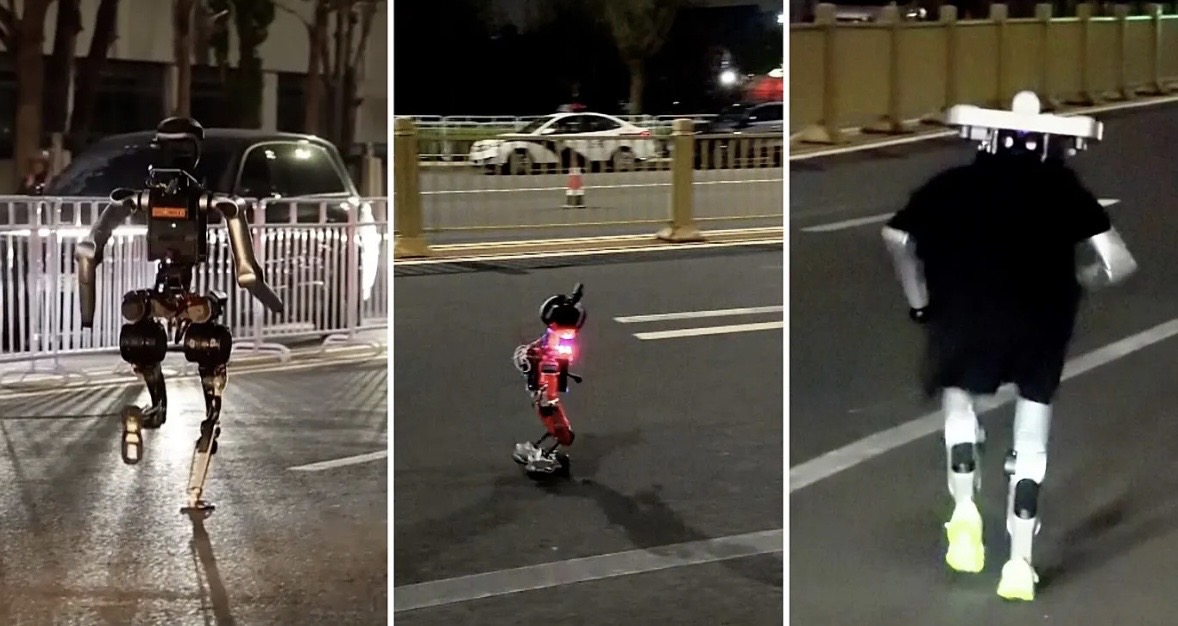
The Chinese capital recently concluded a significant testing phase for humanoid robots in preparation for the nation’s second official 21-kilometer race. During nocturnal trial runs, more than 70 robotics teams deployed their prototypes to evaluate performance under real-world environmental conditions. The primary focus of these tests was to refine navigational accuracy and ensure seamless synchronization between hardware and software components.
The official competition, scheduled for April 19 in the E-Town economic development zone, marks a major milestone for the robotics industry. Participation has surged nearly fivefold compared to the inaugural event, with over a hundred robots expected to line up at the start. This rapid growth underscores the escalating pace of innovation within China’s autonomous systems sector.
Technical requirements for this year's event have become substantially more rigorous. Approximately 40% of the participating teams now utilize fully autonomous navigation, moving away from manual remote operations. Consequently, organizers have introduced new performance metrics, specifically rewarding structural stability and the mechanical endurance required to complete the course without external assistance.
Despite these advancements, the half-marathon distance remains a formidable challenge for current humanoid designs. Previous statistics indicate that only a small fraction of participants successfully reach the finish line, often due to component overheating or battery depletion. Engineers are currently focused on optimizing power management and thermal regulation to ensure higher success rates in the upcoming long-distance challenge.
Also read




New Digital Boundaries: Turkey Implements Strict Social Media Regulations for Minors
10 Oct. 10:05Starting November 1, 2026, Turkey will restrict access to social media platforms for children under the age of 15 following a new regulatory decree issued by the Presidential Cyber Security Directorate and published in the Resmi Gazete. Under the new framework, users aged 15 to 18 will undergo mandatory age verification through the "e-Devlet" portal. Accounts for this age group will feature default private settings, with explicit bans on live streaming, targeted behavioral ads, and profile recommendation algorithms.
Social media networks are also required to provide parents and legal guardians with control tools to monitor usage time, location tracking, and financial transactions. Existing active accounts must complete the age verification process by March 31, 2027.
Blitz