
Playlist
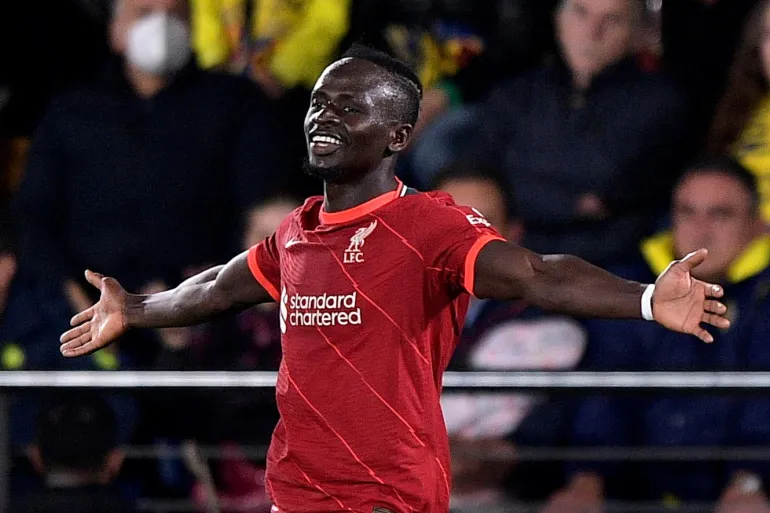
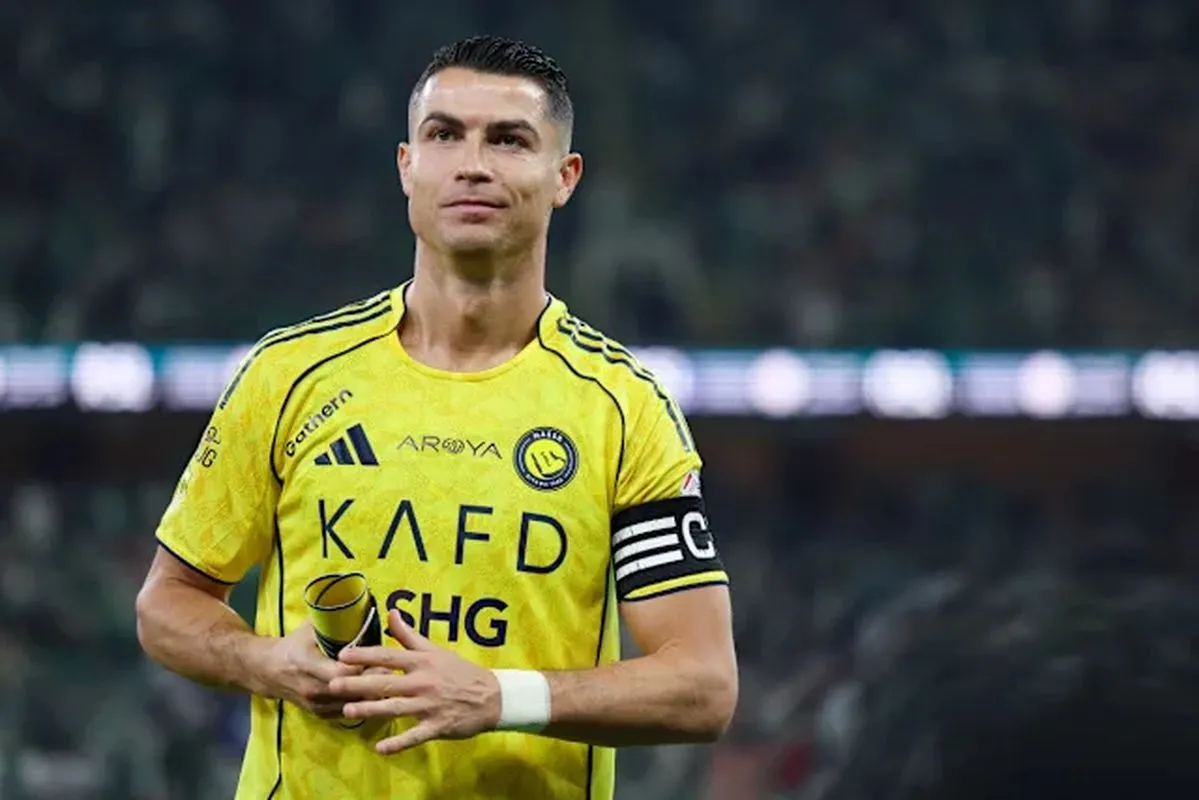
He's one of the most famous footballers in the world. Millions in his account. Contracts, trophies, worldwide fame. But his phone has a cracked screen. And he spends his free time... in the mosque.
Soon, the Saudi Arabian club Al-Nassr will play a match in Turkmenistan. And Sadio Mané could be there alongside the world's stars. Today, we're not just going to tell you about a footballer. We're going to tell you about Sadio Mané, who was born in the south of Senegal, to a poor Muslim family, in the village of Bambali.
His father was an imam at the local mosque. Football was considered a pipe dream there, not a profession. No one believed in the boy's success—not even his own parents. He played barefoot, wore torn boots, and once even ran away from home to try his hand at football.
Today, Sadio Mané is a Champions League winner, an African Cup of Nations champion, and a star of world football. But money hasn't changed his inner world.
Sadio Mané observes namaz, fasts during Ramadan, and regularly attends the mosque—even after matches. In England, he's been seen more than once, not with cameras and security, but simply cleaning the mosque—without the ostentation or media attention. He doesn't drink alcohol, lives modestly, and says frankly: "Why do I need ten cars and gold watches when my people need the most basic necessities?"
With his own money, Sadio Mané has built a hospital in his home village, a school, and a stadium, restored the mosque where his father served, and donates money every month to the poorest families in the region.
He says: "I know what hunger is. I've been through it. And if I can help today, that's true wealth." Sadio Mané is a footballer who proves that greatness can be achieved not only on the field, but also in life.
Also read
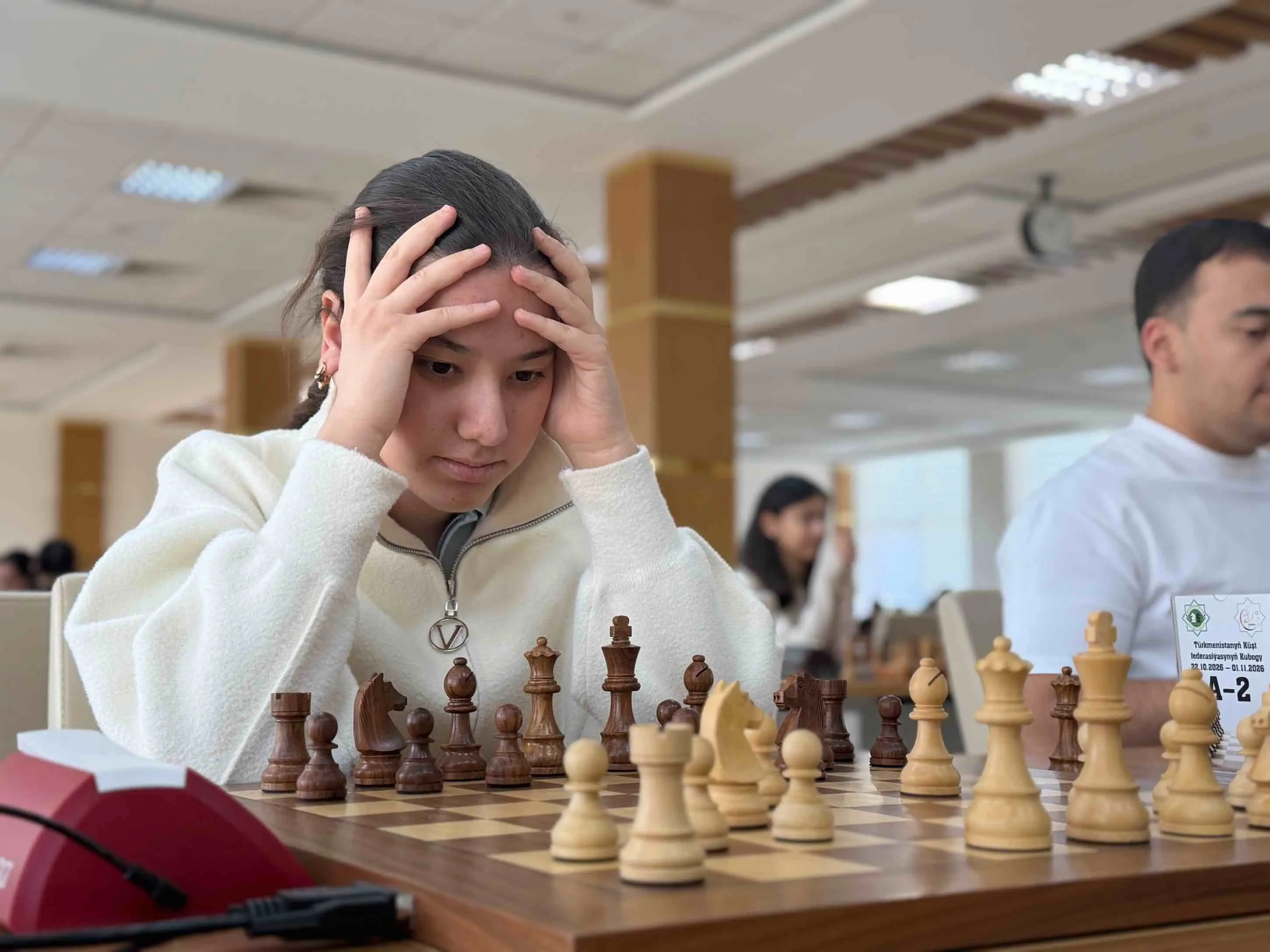
Turkmenabat Hosts National Chess Grand Prix Stage Gathering Nearly Two Hundred Players
13 Nov. 07:18From November 1 to November 10, the city of Turkmenabat served as the epicenter of intellectual sport in Turkmenistan, hosting the latest stage of the Chess Federation of Turkmenistan Grand Prix. Held in the Lebap region for the second consecutive year, the nine-round Swiss-system tournament drew 181 competitors nationwide, featuring 125 players in the open division and 56 contenders in the women's category. Alongside the primary podium honors, tournament officials awarded titles across seven youth age brackets, spanning from promising juniors under eighteen down to young prodigies under six years old.
The standout performer of the open tournament was Shageldi Gurbandurdyyev, a twelfth-grade student from the Danev district holding the Candidate Master (CM) title and a 2152 rating. Demonstrating remarkable composure and tactical precision, he captured first place with a dominant score of 8 out of 9 possible points. Ilhan Charyyev (2172) secured the silver medal with 7.5 points, while FIDE Master (FM) Mergen Kakabayev (2209) claimed third place after finishing with 7 points.
Competition in the women's division proved equally intense, culminating in victory for Mary region representative Jennet Yalkanova, born in 2009 and rated 1921. Nurana Soyunova (1921) of the Kusht Alemi Chess Academy earned the silver medal, while 16-year-old local talent Mahri Agamyradova (2101) of the Lebap region took home the bronze. Organizers highlighted the significance of the youth brackets, noting that competitive play—even among participants under six years of age—provides invaluable experience in decision-making under pressure and often marks the starting point of future international chess careers.
Also read
Blitz